
When Olaplex launched in 2014 as a professional salon additive, it introduced a new vocabulary to the haircare industry: bond multiplication, disulfide repair, and structural restoration at the molecular level. The product's core marketing premise — that a small-molecule active ingredient could identify and re-form broken disulfide bonds within the hair cortex during and after chemical processing — was novel enough to attract both professional endorsement and eventually a $1.8 billion IPO in 2021. K18, launched in 2020 with a peptide-based mechanism, rapidly became the category's second pillar, reaching a reported valuation near $1 billion before its acquisition by Unilever.
The bond-builder category now encompasses dozens of brands and hundreds of products — treatments, shampoos, conditioners, masks, and leave-ins — all claiming to repair damaged hair at a structural level that conventional conditioning products cannot reach. Price points range from $28 for a retail Olaplex treatment to $225 for a full-line K18 regimen, with the premium justified explicitly by the chemical science: these are not conditioners, the marketing argues; they are repair treatments acting on the protein architecture of the hair fiber itself.
The cosmetic chemistry literature presents a more contested picture. The specific claim — that topically applied ingredients reform covalent disulfide bonds within the cortex of intact hair — requires the active molecule to penetrate through the cuticle to the cortex, encounter broken disulfide bonds in the right chemical environment, and catalyze or participate in a thermodynamically favorable bond-reformation reaction. Whether this actually occurs in the conditions of normal use, versus the product providing a surface conditioning effect that improves mechanical properties without genuine bond chemistry, is a question the independent peer-reviewed literature has not unambiguously resolved.
What Bond Builders Actually Are
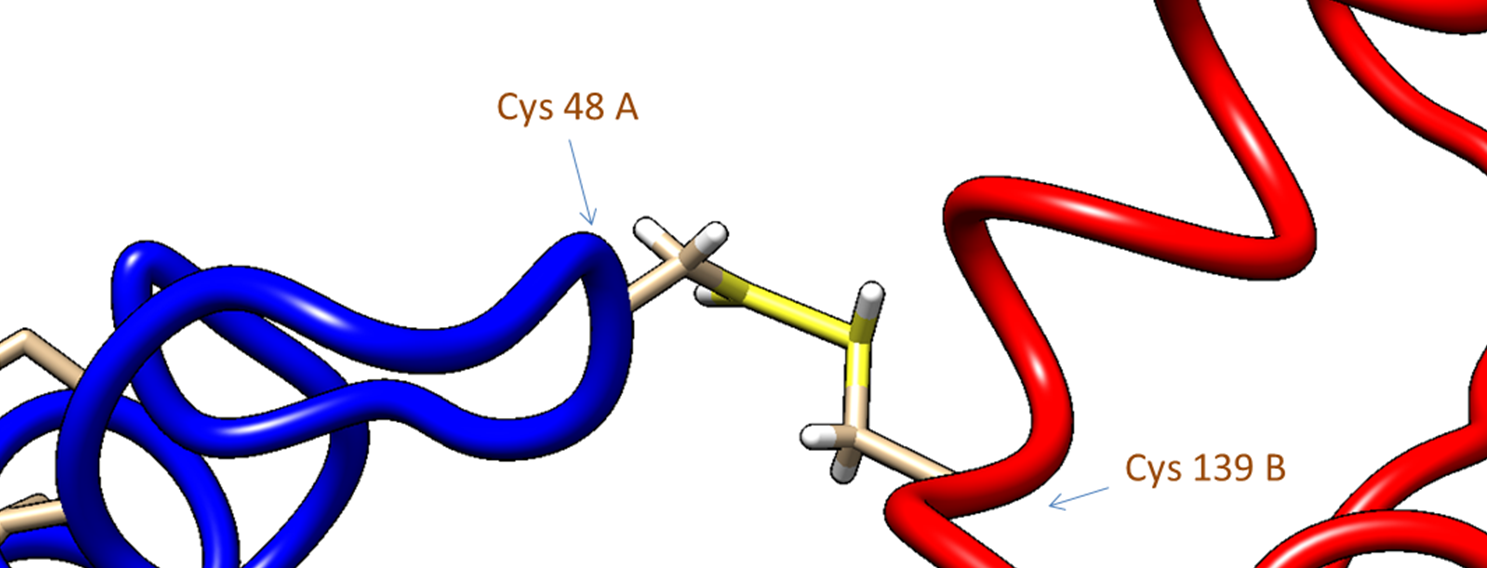
Hair fiber is composed primarily of keratin proteins, which are organized into hierarchical structures: polypeptide chains → alpha-helical protofilaments → intermediate filaments → macrofibrils → cortex. The structural integrity of this architecture depends substantially on disulfide bonds — covalent linkages between the sulfur atoms of cysteine residues in adjacent keratin chains. These S–S bonds provide tensile strength, elasticity, and resistance to deformation.
Chemical hair processing — particularly bleaching (hydrogen peroxide in alkaline pH) and relaxing (sodium hydroxide or thioglycolate-based treatments) — cleaves these disulfide bonds. Bleaching produces free thiol groups (–SH) and also generates irreversible oxidation products (sulfenic, sulfinic, and cysteic acid residues) that cannot reform into functional disulfide bonds. This is why chemically processed hair loses strength, elasticity, and surface regularity: the structural cross-linking within the cortex is partially destroyed, and some of that destruction is chemically permanent.
Olaplex's patented active ingredient is bis-aminopropyl diglycol dimaleate (BADGDM). The company's proposed mechanism is that BADGDM acts as a bifunctional cross-linking agent: its two maleimide groups react with free thiol groups on adjacent keratin chains, effectively replacing broken disulfide bonds with new covalent cross-links — though the resulting bonds are thioether bonds, not reformed disulfide bonds. K18 takes a different approach: its active is a 18-amino-acid synthetic peptide (K18Peptide™) designed to intercalate into the keratin chain and restore integrity through hydrogen bonding and mechanical reinforcement, rather than covalent cross-linking.
The Claim: Covalent Repair of Structural Damage
The Claim
"Our patented bond-repair technology penetrates deep into the cortex to find and re-link broken bonds — restoring your hair's structural integrity from the inside out. This isn't conditioning. This is repair at the molecular level. Clinically proven to reduce breakage by up to 68% and restore hair to a healthier, stronger state than before chemical treatment."
(Composite representative claim; reflects language present across multiple bond-builder haircare products and brand communications.)
What the Evidence Actually Shows
The primary published evidence for Olaplex's mechanism comes from manufacturer-produced white papers and in-vitro studies measuring tensile strength, elasticity, and combing force on hair treated with the BADGDM active. These studies consistently demonstrate improved mechanical properties compared to bleached-only hair — the fiber is stronger, less prone to breakage, and shows better surface characteristics. The critical question is whether these improvements reflect genuine covalent bond reformation within the cortex, or whether they reflect surface deposition, film formation, or other conditioning effects that alter mechanical test results without changing the cortical protein architecture.
A limited number of independent analyses using techniques such as Raman spectroscopy and scanning electron microscopy have examined treated hair samples. The findings are mixed: some spectroscopic analyses show changes in the disulfide bond (S–S) stretching peak consistent with bond formation, but distinguishing new thioether cross-links (the actual Olaplex mechanism) from surface-layer effects using Raman alone is methodologically difficult. There are no published independent peer-reviewed trials using micro-tensile testing, X-ray diffraction, or mass spectrometry-based proteomics on human hair from Olaplex-treated subjects that have been subjected to full blinded review.
For K18, the evidence base is similarly thin. Published data consists primarily of tensile testing and microscopy from the brand's own laboratories, with claims of up to 91% keratin chain repair based on proprietary assays. The peptide-intercalation mechanism requires penetration through the cuticle, which presents a significant molecular size challenge: the K18 peptide (approximately 2 kDa) is at the upper boundary of what cosmetic science considers capable of reliable cuticle penetration into the cortex under normal application conditions.
The Cosmetic Chemistry Debate: Surface Film vs. Cortex Penetration
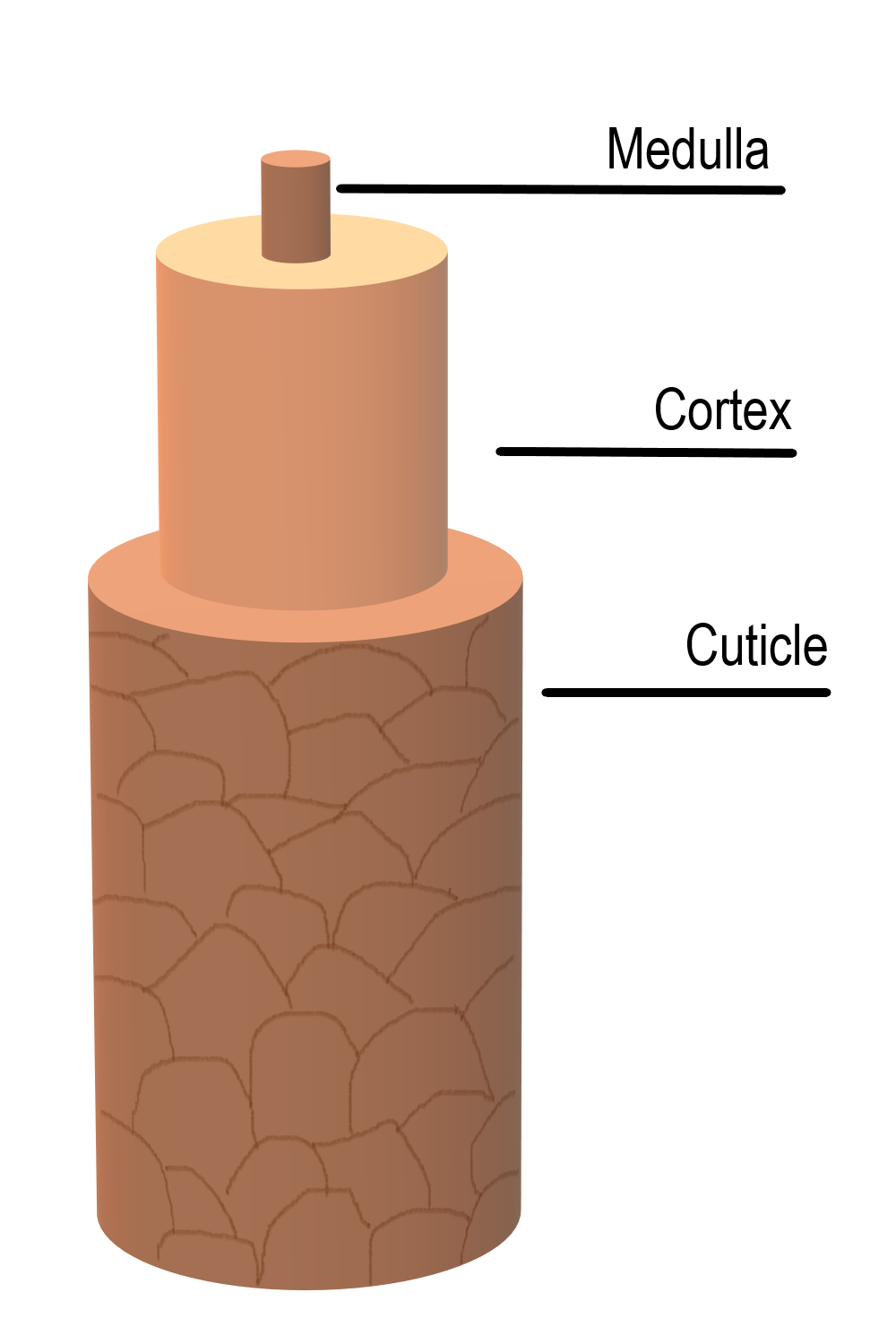
The fundamental mechanistic question for bond builders — whether the active ingredient reaches and acts on the cortex, versus conditioning the cuticle surface — is not trivial to resolve experimentally. The cuticle layer is a hydrophobic barrier of overlapping scales composed primarily of 18-methyleicosanoic acid (18-MEA) lipids and hard keratins. Small lipophilic molecules penetrate it more readily than larger or more polar species.
BADGDM has a molecular weight of approximately 500–600 Da and contains polar maleimide groups that may limit lipid membrane penetration. The cosmetic formulation typically contains the active in aqueous solution at low pH (to stabilize the maleimide groups against hydrolysis). Whether sufficient quantities of BADGDM penetrate through an intact cuticle into the cortex under realistic salon or home-use conditions — including rinsing, which removes surface-deposited ingredient — is a question that manufacturer data does not fully answer, and which the published independent literature has not definitively resolved.
"Surface film formation alone may produce some gains in tensile strength and combing force. However, given the proposed mechanisms, and what we know about the penetration barriers for molecules of this size and polarity, it remains unclear what the actual mechanism is until more data is available."
The surface-film hypothesis is not dismissive of the products' observed effects. A well-formed surface film can meaningfully improve combing force, reduce breakage during mechanical stress, increase perceived smoothness, and reduce frizz — all of which are genuine, measurable improvements that consumers value. The issue is not whether the products work, but whether they work via the claimed mechanism of cortical bond reformation, or via the established mechanism of surface conditioning that has been a feature of hair treatment chemistry for decades.
This distinction matters for consumer decision-making: if bond builders work primarily through surface conditioning, then the claim of unique structural repair — and the premium pricing justified by that claim — may not be adequately supported by the underlying science. A conventional deep conditioning treatment might produce comparable mechanical improvements at a fraction of the cost.
Key Evidence in the Bond Builder Literature
| Study | Product / Agent | Method | Endpoint | Finding | Independence |
|---|---|---|---|---|---|
| Olaplex White Paper (multiple, 2014–2022) | Olaplex No. 1 / No. 3 (BADGDM) | Tensile testing, elasticity, combing force on bleached hair samples | Mechanical strength vs. bleached control | Consistent improvement in tensile strength, reduced breakage, improved elasticity vs. bleached-only hair | Manufacturer-funded; no independent peer review |
| Signori et al., Int J Cosmet Sci 2021 | Commercial bond-building treatment (BADGDM-class) | Raman spectroscopy, tensile testing | Disulfide bond signal, tensile strength | Spectroscopic changes in S–S stretching region; tensile improvement; could not definitively distinguish cortex reformation from surface effects | Partially independent; industry co-authorship |
| K18 Clinical Data (brand-published, 2020–2023) | K18 Leave-In Molecular Repair Hair Mask | Tensile testing, SEM microscopy, proprietary keratin chain repair assay | Breakage reduction, surface morphology, "keratin chain repair %" | Up to 91% keratin chain repair (proprietary assay); SEM shows improved cuticle alignment; tensile improvement vs. bleached control | Manufacturer-funded; proprietary assay not independently validated |
| Gavazzoni Dias et al., J Cosmet Dermatol 2015 | Multiple haircare treatments (general review) | Literature review of conditioning and structural treatments | Mechanism of action, clinical evidence review | Noted that surface deposition accounts for most measured mechanical improvements in hair treatments; cortex penetration by large molecules remains contested | Independent (academic) |
The evidence table highlights the consistent structural limitation of the bond-builder literature: the best-powered and most consistent evidence comes from manufacturer-produced studies or manufacturer-funded research, using proprietary assay methods that have not been independently validated. The one genuinely independent Raman spectroscopy study found changes consistent with the proposed mechanism but could not definitively attribute them to cortical bond reformation versus surface chemistry — the critical distinction the marketing claims require.
Verdict & Clinical Implications
Verdict: Partially Supported
Bond builders demonstrably improve the mechanical properties of chemically damaged hair — reduced breakage, improved tensile strength, and better surface characteristics are consistently reported. The claim that these improvements result from covalent bond reformation within the cortex — as opposed to surface film formation or cuticle-layer conditioning — is not unambiguously established by the available independent peer-reviewed literature. The published evidence base relies heavily on manufacturer-produced data using proprietary methods, with limited independent spectroscopic or proteomic confirmation of the proposed cortical mechanism. The products produce measurable mechanical improvements. Whether those improvements reflect cortical bond chemistry or surface conditioning — and whether the distinction justifies a significant price premium over conventional treatments — is not answered by the available evidence.
For consumers and hair professionals evaluating bond-builder products, the evidence supports a nuanced assessment.
Measurable improvements may be real. Whatever the mechanism, hair treated with bond-builder products consistently shows improved mechanical properties compared to bleached-only controls. For heavily processed hair, these improvements may translate to reduced breakage, better manageability, and improved appearance. The practical benefit is not in dispute; the mechanistic explanation is.
Premium pricing warrants scrutiny. The price differential between bond-builder products and conventional deep conditioning treatments is substantial. If the measurable benefits are primarily attributable to surface conditioning effects rather than cortical bond chemistry, the justification for a 5–10× price premium over a high-quality conventional conditioner is weakened. Consumers should apply proportionate skepticism to "molecular repair" claims without corresponding independent mechanistic evidence.
Independent research is overdue. The bond-builder category
has now existed for a decade and represents several billion dollars in
annual retail sales. The absence of adequately powered, independently
conducted RCTs using validated cortex-penetration assays and blinded
mechanical testing represents a significant gap between market scale
and evidence base. The industry's reliance on proprietary assays and
manufacturer-funded data is >not consistent with claims of clinical-grade
efficacy
Evidence rating: 3 / 5. Consistent mechanical improvement
data from manufacturer studies; one partially independent spectroscopic
study with inconclusive mechanism findings; no independent RCTs with
validated cortex-penetration endpoints; proprietary assay methods
unverified by external researchers. The products may work; but the specific mechanism claim remains inadequately supported by the independent
peer-reviewed literature.