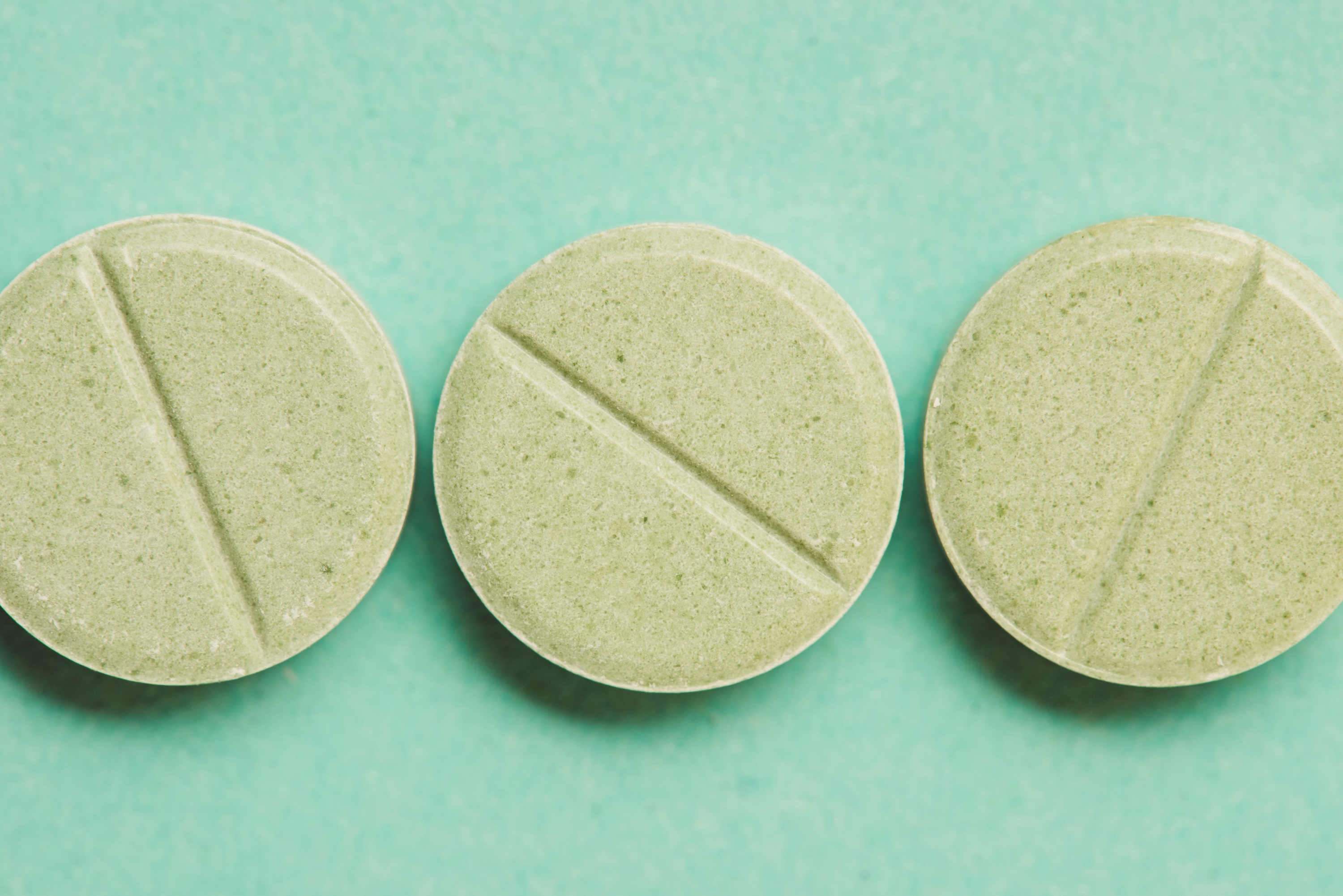
Finasteride is FDA-approved for male androgenetic alopecia (AGA) at 1 mg/day, with a robust evidence base from multiple large RCTs. Its use in women with female pattern hair loss (FPHL) is off-label and more complex — the evidence base is smaller, the dosing is different, and the safety considerations are substantially more restrictive due to the teratogenicity risk that makes finasteride absolutely contraindicated in women of childbearing potential.
Despite these limitations, finasteride is used off-label in women with FPHL, particularly postmenopausal women or those with reliable contraception. The rationale is the same as in men: FPHL has an androgenetic component in many women, and reducing DHT production through 5-alpha reductase inhibition may slow or reverse follicular miniaturization. The clinical evidence for this approach is more limited than in men, and the optimal dose for women is not established by the same quality of RCT evidence.
This analysis reviews the evidence for finasteride in FPHL, examines the dosing data, and addresses the safety considerations that define appropriate patient selection.
The Evidence Base for Finasteride in Women

The evidence for finasteride in FPHL is more limited than in male AGA. The pivotal male AGA trials enrolled over 1,500 men; the largest finasteride trial in women (Iorizzo et al., 2006) enrolled 37 postmenopausal women. This sample size difference reflects both the later development of the off-label indication and the more restrictive patient selection required by the teratogenicity contraindication.
A 2012 systematic review by Mella and colleagues identified 5 RCTs and 4 observational studies of finasteride in women with FPHL. The results were mixed: some studies showed significant improvement in hair density and patient-reported outcomes, others showed no significant benefit versus placebo. The heterogeneity in results may reflect the heterogeneity of FPHL itself — women with elevated androgens or hyperandrogenism may respond better to anti-androgen treatment than women with normal androgen levels.
The dosing question is unresolved. The 1 mg/day dose approved for men has been used in most women's studies, but some clinicians use higher doses (2.5–5 mg/day) based on the hypothesis that women may require higher doses to achieve equivalent DHT reduction. No RCT has directly compared doses in women, and the optimal dose is not established by the evidence.
The Claim
"Finasteride works for women's hair loss just like it does for men — blocking DHT to stop thinning and promote regrowth. Ask your dermatologist about finasteride for female pattern hair loss."
(Composite representative claim reflecting online hair loss content and telehealth marketing for finasteride in women.)
What the Evidence Actually Shows
The claim that finasteride "works for women's hair loss just like it does for men" overstates the evidence. The male AGA evidence base is substantially stronger — multiple large RCTs with consistent results. The female FPHL evidence is mixed, with smaller trials and inconsistent outcomes. The response rate in women appears to be lower than in men, and the predictors of response (androgen levels, FPHL subtype) are not well-characterized.
The teratogenicity risk is the most important clinical consideration. Finasteride is a Category X drug in pregnancy — it causes feminization of male fetuses and is absolutely contraindicated in women who are or may become pregnant. This limits its use to postmenopausal women or women with reliable, long-term contraception. The "ask your dermatologist" framing is appropriate — this is not a drug that should be self-prescribed or obtained without medical supervision.
Spironolactone — an aldosterone antagonist with anti-androgen properties — is more commonly used than finasteride for FPHL in women, with a larger evidence base in women and a different safety profile (no teratogenicity risk at typical doses, though contraception is still recommended). The choice between finasteride and spironolactone for FPHL is a clinical decision based on individual patient factors.
Patient Selection and Clinical Considerations
Appropriate candidates for finasteride in FPHL are postmenopausal women or premenopausal women with reliable long-term contraception who have not responded adequately to topical minoxidil and who have evidence of an androgenetic component to their hair loss (elevated androgens, hyperandrogenism signs, or FPHL pattern consistent with androgenetic etiology).
Baseline androgen evaluation (total and free testosterone, DHEAS, SHBG) is appropriate before initiating finasteride in women, both to identify hyperandrogenism that may respond particularly well to anti-androgen treatment and to rule out androgen-secreting tumors in women with rapid-onset hair loss.
Verdict: Partially Supported
Finasteride has some evidence of benefit in women with FPHL, but the evidence base is substantially weaker than in men — smaller trials, mixed results, and no established optimal dose. The teratogenicity contraindication severely limits the eligible patient population. The claim of equivalence to male AGA efficacy is not supported. Finasteride is a reasonable option for carefully selected postmenopausal women or those with reliable contraception who have not responded to first-line treatments. Evidence rating: 3/5.