Salicylic acid is one of the most widely used OTC acne ingredients, appearing in cleansers, toners, spot treatments, and moisturizers across every price point. The FDA OTC acne monograph permits concentrations of 0.5–2%, and products across this range are marketed with similar efficacy claims. Whether higher concentrations within this range actually deliver meaningfully better outcomes is a question the clinical literature has barely addressed — yet "maximum strength 2%" is a common marketing claim implying superiority over lower concentrations.
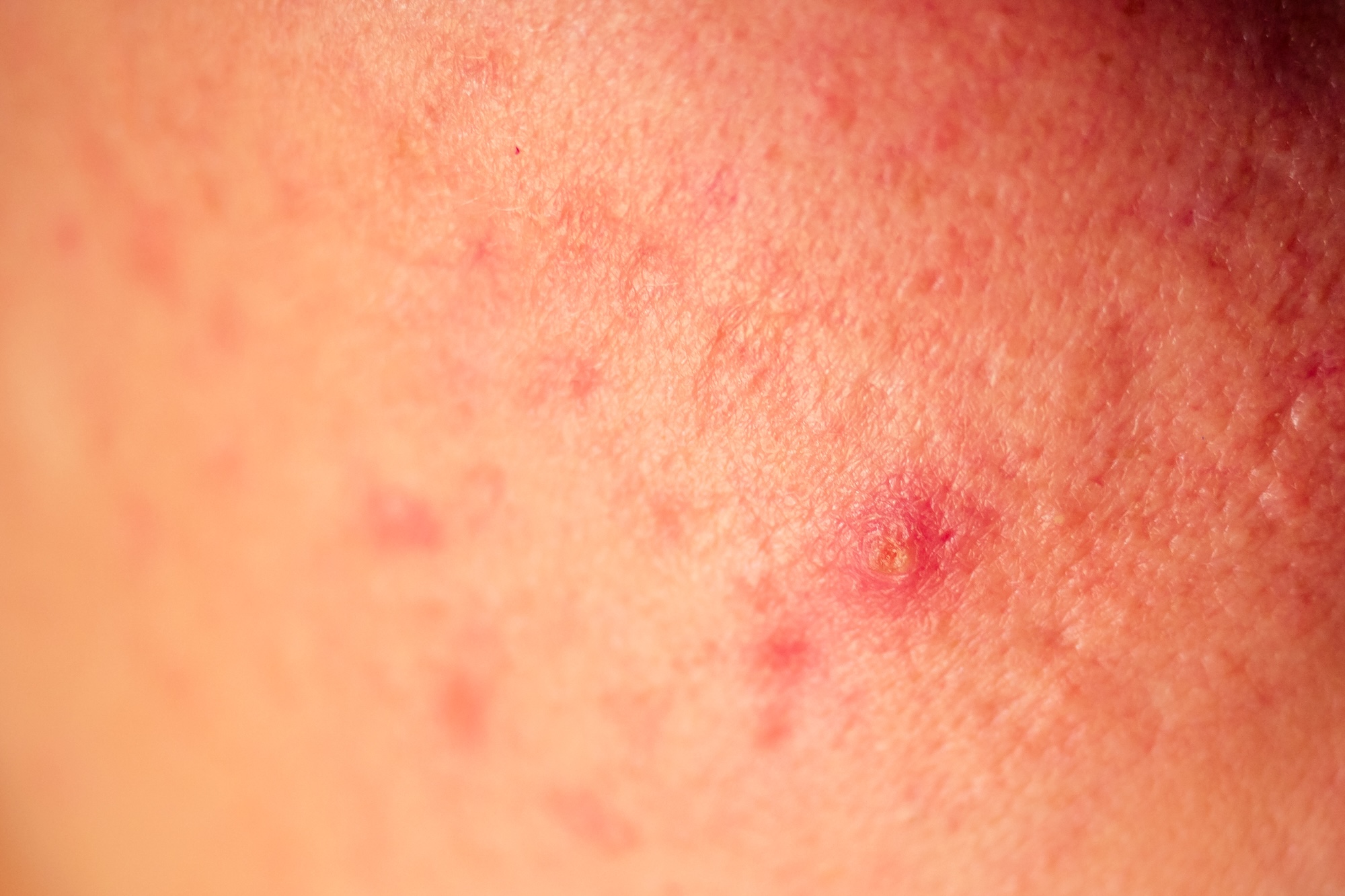
This analysis examines salicylic acid's mechanism of action, the FDA monograph context, the available dose-response evidence, the role of vehicle and pH, tolerability considerations, and how salicylic acid compares to benzoyl peroxide and adapalene for acne management.
Mechanism of Action: BHA, Keratolytic, Comedolytic
Salicylic acid is a beta-hydroxy acid (BHA) — unlike alpha-hydroxy acids (AHAs) such as glycolic acid, it is lipid-soluble, which allows it to penetrate the sebum-filled follicle and exert effects within the pore. Its primary mechanisms relevant to acne are:
Keratolytic action: salicylic acid loosens the bonds between corneocytes (desquamation), reducing the buildup of dead skin cells that contributes to comedone formation.
Comedolytic action: by reducing follicular hyperkeratinization, salicylic acid helps prevent and resolve comedones (blackheads and whiteheads). This is its best-supported mechanism for acne.
Anti-inflammatory properties: salicylic acid has mild anti-inflammatory effects, which may contribute to reduction of inflammatory lesions, though this effect is less pronounced than its comedolytic action.
Salicylic acid does not have direct antibacterial activity against Cutibacterium acnes (formerly Propionibacterium acnes) at OTC concentrations, distinguishing it mechanistically from benzoyl peroxide.
FDA Monograph Context
The FDA OTC acne monograph (21 CFR 333) permits salicylic acid at 0.5–2% in leave-on products and 0.5–2% in rinse-off products. The monograph was established based on safety and efficacy data available at the time of its development; it does not establish that 2% is more effective than 0.5%, only that both concentrations are safe and effective for OTC acne treatment.
The monograph approval process for OTC drugs differs from the NDA process for prescription drugs: it establishes that a class of ingredients at specified concentrations is generally recognized as safe and effective (GRASE), not that specific concentrations within the range are superior to others. The "maximum strength" marketing language implies a dose-response relationship that the monograph does not establish.
Dose-Response Evidence
Direct head-to-head comparisons of 0.5% versus 2% salicylic acid in acne are sparse. A 2006 study by Shalita et al. compared 0.5% and 2% salicylic acid cleansers in mild-to-moderate acne and found no statistically significant difference in lesion counts at 12 weeks. A 1995 study by Zander and Seidel found that 2% salicylic acid pads were more effective than 0.5% for comedone reduction, but the study was small (n=30) and used a within-subject design that may have introduced confounding.
The overall evidence for a clinically meaningful dose-response relationship between 0.5% and 2% salicylic acid is weak. The available studies are small, use different formulations and vehicles, and show inconsistent results. No large, well-powered RCT has established that 2% salicylic acid is meaningfully superior to 0.5% for acne outcomes.
The Claim
"Maximum strength 2% salicylic acid — the highest concentration allowed by the FDA — for maximum acne-fighting power."
(Representative claim from OTC acne product marketing.)
What the Evidence Actually Shows
The claim implies a dose-response relationship that the clinical literature does not clearly support. The FDA monograph permits 0.5–2% as a safe and effective range; it does not establish that 2% is more effective than lower concentrations. The available head-to-head studies are small and inconsistent. Vehicle formulation and skin pH may have larger effects on salicylic acid efficacy than concentration within the OTC range. "Maximum strength" is a marketing framing, not a clinical evidence claim.
Vehicle and pH Effects
Salicylic acid's efficacy is significantly influenced by formulation factors beyond concentration. The vehicle (gel, cream, solution, pad) affects skin contact time, penetration depth, and tolerability. Alcohol-based solutions increase penetration but also increase irritation; cream vehicles are better tolerated but may reduce penetration.
pH is particularly important: salicylic acid is most active in its undissociated (protonated) form, which predominates at low pH. At skin pH (~5.5), a significant fraction of salicylic acid is dissociated and less able to penetrate the follicle. Formulations with lower pH (3–4) deliver more active undissociated salicylic acid to the follicle than formulations at higher pH, regardless of the labeled concentration.
This means a 1% salicylic acid product at pH 3.5 may deliver more active ingredient to the follicle than a 2% product at pH 5.5. Consumer products rarely disclose pH, making concentration alone an unreliable guide to efficacy.
Tolerability
Higher salicylic acid concentrations are associated with greater irritation, dryness, and peeling, particularly in sensitive skin types. For patients with dry or sensitive skin, 0.5–1% formulations may provide comparable comedolytic benefit with better tolerability than 2% formulations. Tolerability affects adherence, and a lower-concentration product used consistently may outperform a higher-concentration product used intermittently due to irritation.
Systemic absorption of salicylic acid from OTC topical products is generally low, but the FDA monograph includes warnings about use over large body surface areas, particularly in children, due to salicylate toxicity risk.
Comparison with Benzoyl Peroxide and Adapalene
In the context of acne treatment broadly, salicylic acid occupies a specific niche. Benzoyl peroxide (BPO) has direct bactericidal activity against C. acnes and is more effective for inflammatory acne than salicylic acid. Adapalene (a retinoid) is more effective for both comedonal and inflammatory acne than salicylic acid and has the strongest evidence base of any OTC acne ingredient.
Salicylic acid's advantage is tolerability: it is better tolerated than BPO (which can bleach fabrics and cause contact dermatitis) and adapalene (which causes retinoid dermatitis in many users, particularly at initiation). For patients who cannot tolerate BPO or adapalene, salicylic acid is a reasonable alternative for comedonal acne, though with a weaker evidence base.
Verdict: Partially Supported
Salicylic acid has a legitimate evidence base for comedonal acne at OTC concentrations. The claim that 2% is meaningfully superior to lower concentrations within the 0.5–2% range is not well supported by the available clinical literature. Vehicle formulation and pH may have larger effects on efficacy than concentration within this range. For inflammatory acne, benzoyl peroxide and adapalene have stronger evidence. Salicylic acid's primary advantage is tolerability relative to these alternatives. Evidence rating: 3/5.