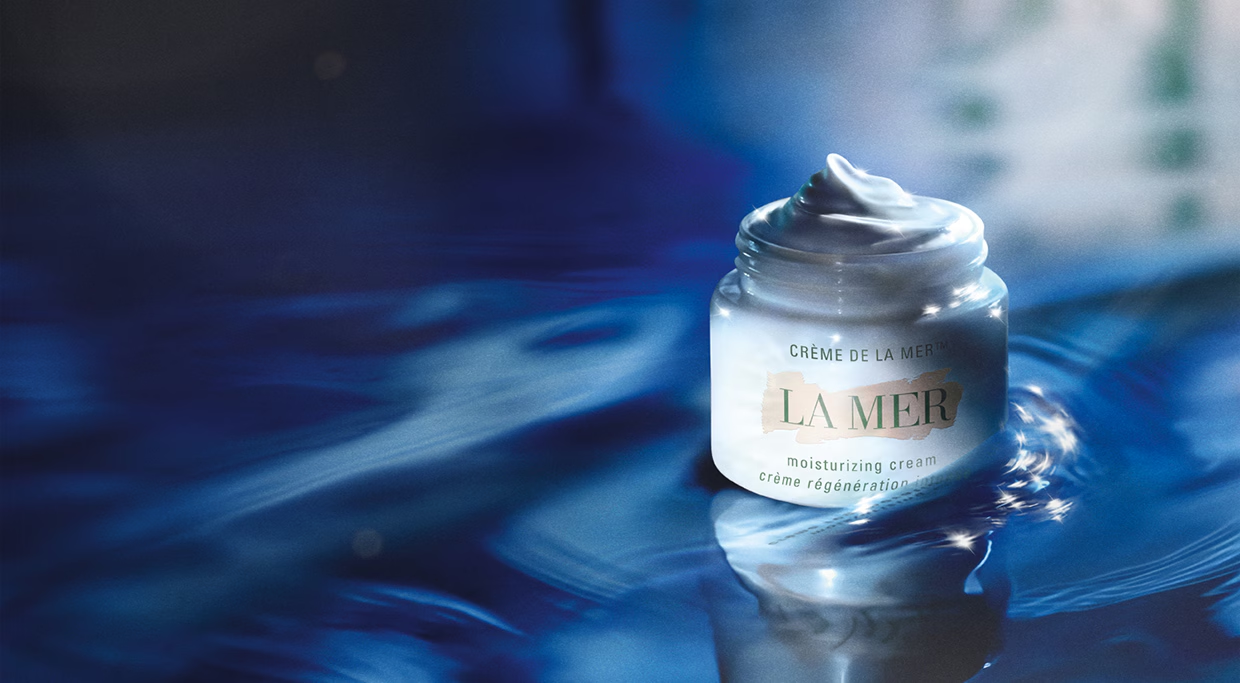
Crème de la Mer occupies a peculiar position in the beauty market. It is not the most expensive moisturizer available — La Prairie's Skin Caviar Luxe Cream and several Sisley products clear $700 per ounce — but it is by a wide margin the most culturally recognized premium moisturizer in the world. The 1 oz jar has been a fixture of celebrity gift bags, magazine editor recommendations, and first-class amenity kits for thirty years. The product retails for $400 in May 2026 (1 oz) or $700 (2 oz), and Estée Lauder Companies, which acquired the brand in 1995, has built La Mer into a sub-brand portfolio with annual revenue estimated above $2 billion.
The premium price is supported by two narratives. The first is an origin story: that aerospace physicist Max Huber developed the cream over twelve years to heal scars from a laboratory burn accident. The second is a manufacturing claim: that the active ingredient, called Miracle Broth, is produced through a three- to four-month bio-fermentation of hand-harvested sea kelp and other natural ingredients, and that this proprietary process produces effects that conventional cosmetic chemistry cannot replicate.
This product breakdown evaluates Crème de la Mer on the criteria that should govern a $400 moisturizer: what is actually in the jar, what the published evidence shows about its ingredients and manufacturing process, what the brand has and has not done in terms of clinical research, and what a credible comparison to lower-priced alternatives looks like. The conclusion is that Crème de la Mer is a competent occlusive moisturizer with a marketing apparatus disproportionate to its evidence base.
The Origin Story: Max Huber and the Burn
The Crème de la Mer narrative, as told on the brand's website and repeated across decades of beauty media, is that Dr. Max Huber was an aerospace physicist who suffered chemical burns to his face in a laboratory accident, spent twelve years (1953-1965) experimenting with sea kelp fermentation, and ultimately created a cream that healed his scars. The story is foundational to the brand's identity and is repeated in essentially every La Mer product description.
The verifiable elements are limited. Max Huber was a real person — an Austrian-born American who held degrees in physics and worked in aerospace — and he did patent a "method of fermentation for the production of dermatological compositions" (US Patent 3,896,229, granted 1975). The specifics of the burn accident, the twelve-year development timeline, and the claim of scar healing are biographical rather than clinical. They have not been independently verified or peer-reviewed. The Estée Lauder Companies acquired the brand from Huber's family for an undisclosed sum in 1995, well after Huber's 1991 death, and the origin story as currently told dates to that ownership transition.
None of this means the origin story is fabricated. It does mean the story functions as marketing biography rather than evidence. Whether Crème de la Mer healed Max Huber's burns is unanswerable from the public record. Whether it heals scars on other faces is an empirical question that the brand has not, to public knowledge, tested in a controlled trial.
The Miracle Broth: What the Process Actually Is
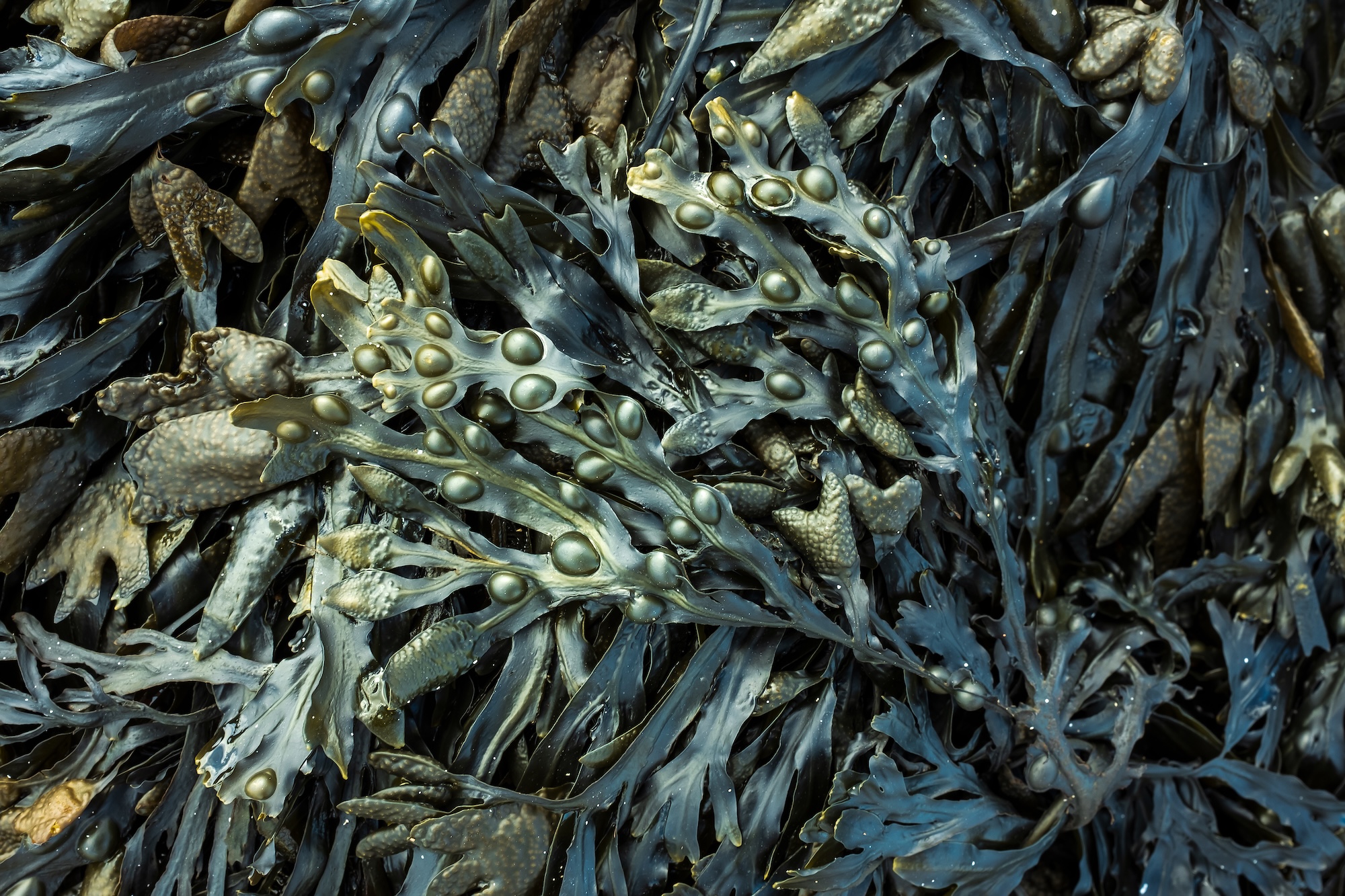
Miracle Broth is the trade name La Mer applies to the fermented ingredient at the center of the product. The brand describes the process as follows: hand-harvested giant sea kelp (Macrocystis pyrifera) is combined with other natural ingredients including wheat germ, lime extract, alfalfa, sunflower, calcium gluconate, magnesium gluconate, and copper gluconate, then fermented for three to four months while exposed to specific sound frequencies and light cycles. The output is described as a "miraculous" concentrated extract that constitutes the product's primary active.
Several of these claims are verifiable in the broad sense and untestable in the specific sense. Bio-fermentation of plant materials does produce extracts with altered chemical composition — fermented wheat, soy, and seaweed extracts are documented in the cosmetic ingredient literature, with peptide hydrolysis, oligosaccharide formation, and some antioxidant activity reported in vitro. The specific Miracle Broth fermentation process and its specific output have not been characterized in any peer-reviewed publication. The brand has not published composition analyses, dose-response studies, or stability data for Miracle Broth in the open literature.
The "specific sound frequencies" claim — that the fermentation process is influenced by exposure to particular audio frequencies — is a marketing element with no published mechanistic basis in fermentation science. Sound exposure has been studied in some bioreactor contexts (mostly in the bacterial growth literature, with mixed results), but the proposition that audio frequencies during fermentation produce cosmetically distinguishable extract properties is not supported by published evidence and reads as experiential marketing rather than process chemistry.
The active ingredient most commonly cited for sea kelp extracts is fucoidan — a sulfated polysaccharide with documented in vitro antioxidant and anti-inflammatory activity. Fucoidan has been studied in cosmetic and oral applications, with positive in vitro results and some small clinical trials at oral doses for joint and skin health. The translation from in vitro fucoidan activity to topical clinical outcome from a fermented sea kelp extract in a moisturizer base is not a step that has been demonstrated in published trials of Crème de la Mer specifically.
The Actual Ingredient List
The Crème de la Mer ingredient list, as printed on the product and disclosed in regulatory filings, leads with the ingredients that most determine a moisturizer's behavior. The first six ingredients, in INCI order, are: seaweed (algae) extract, mineral oil (paraffinum liquidum), petrolatum, glycerin, isohexadecane, and microcrystalline wax. The remainder of the list contains lime extract, sesame seed oil, lecithin, eucalyptus oil, sunflower seed oil, alfalfa seed powder, several emulsifiers and preservatives, and the fragrance/coloring components.
This is, by the standards of moisturizer chemistry, a heavy occlusive base. Mineral oil and petrolatum are among the most effective occlusive moisturizers known — petrolatum reduces transepidermal water loss by approximately 99%, the highest of any cosmetic ingredient, and is the active in Vaseline and CeraVe Healing Ointment. Mineral oil is similarly effective, with a large body of evidence supporting its safety and efficacy as a moisturizing base. The Crème de la Mer formula, in its bulk composition, is closer to a refined Vaseline-glycerin base than to a botanical actives serum.
This is not a criticism. Petrolatum-and-mineral-oil bases are effective moisturizers. The question is whether the combination of an effective occlusive base and a fermented sea kelp ingredient — at whatever percentage Miracle Broth occupies in the formula, which the brand does not disclose — justifies a 25-fold price premium over functionally similar petrolatum-glycerin moisturizers available at drugstore prices.
What the Evidence Actually Shows
There are no published peer-reviewed RCTs evaluating Crème de la Mer specifically. A search of PubMed, Google Scholar, and the cosmetic dermatology literature returns no controlled trials of the product against placebo, against an active comparator, or in any clinical population. This is not unusual for prestige moisturizers — La Prairie, Sisley, and most luxury brands have similarly thin published-trial records — but it is notable for a product whose marketing emphasizes scientific development.
What does have evidence: petrolatum as a moisturizer. A 2016 Cochrane review by van Zuuren and colleagues on emollients for eczema rated petrolatum-based products among the more effective interventions for barrier repair. Multiple comparative studies — including a 2017 study by Czarnowicki and colleagues in the Journal of Allergy and Clinical Immunology — found petrolatum to perform as well as or better than more expensive ceramide-containing formulations for barrier function recovery in normal and atopic skin. Mineral oil has similar evidence. These ingredients work. They are also available, in roughly equivalent concentrations, in $5–20 products.
What does not have direct evidence: Miracle Broth specifically. The brand has cited internal studies on Miracle Broth's anti-inflammatory and barrier-supporting properties; these studies have not been published in peer-reviewed journals and are not available for independent review. La Mer has presented some internal research at industry conferences and has referenced consumer-perception studies (typically self-report surveys among product users), which are appropriate for marketing purposes but do not meet the bar for clinical evidence.
The Claim
"Inspired by the healing power of the sea, Crème de la Mer is the legendary moisturizing cream that begins with Miracle Broth — La Mer's nutrient-rich elixir hand-fermented over three to four months. Visibly transforms skin, leaving it firmer, smoother, and more radiant."
(Composite representative claim drawn from the La Mer product page, advertising copy, and brand educational materials.)
The Price Question: $400 vs. $16
A direct ingredient-level comparison illustrates what the price premium does and does not buy. CeraVe Moisturizing Cream, available for approximately $16 per 12 oz tub, contains: water, glycerin, ceramides (NP, AP, EOP), petrolatum, dimethicone, hyaluronic acid, phytosphingosine, cholesterol, sodium hyaluronate, and tocopherol. The CeraVe formulation is a published, dermatology-developed, ceramide-and-petrolatum barrier moisturizer with a substantial clinical evidence base for its specific composition (developed in collaboration with the dermatology research base at Case Western Reserve University).
Vanicream Moisturizing Cream, available for approximately $14 per 16 oz tub, contains a simpler petrolatum-and-glycerin base with no fragrances, dyes, or botanical extracts; it is widely recommended by dermatologists for sensitive skin and atopic dermatitis.
Crème de la Mer at $400 per 1 oz jar costs approximately $13.33 per gram. CeraVe Moisturizing Cream costs approximately $0.05 per gram. The cost differential is roughly 270-fold. This differential is not justified by published clinical evidence for superior efficacy of Crème de la Mer over either CeraVe or Vanicream. It may be justified for a given consumer by the experiential elements that prestige beauty products provide — texture, scent, packaging, ritual, brand association — which are real consumer values even though they are not clinical values.
What La Mer Has and Has Not Done
The brand has done several things well. Crème de la Mer has been manufactured and sold for nearly six decades with a generally clean safety record — no significant FDA enforcement actions, no class actions over health claims, no documented allergen outbreaks beyond ordinary fragrance sensitivity reports. The product has consistent batch-to-batch quality and is supported by the manufacturing infrastructure of Estée Lauder Companies. The brand discloses its ingredient list in standard INCI format and complies with US, EU, and global cosmetic regulations.
The brand has not done several things that would substantiate its evidence claims. It has not published peer-reviewed RCTs of Crème de la Mer against placebo or active comparator. It has not published the composition analysis of Miracle Broth in the open literature. It has not published mechanistic studies of the fermentation process or its claimed sound-and-light conditioning. It has not, to public knowledge, presented Crème de la Mer trial data at peer-reviewed dermatology conferences (American Academy of Dermatology, World Congress of Dermatology, International Investigative Dermatology) in the way that, for example, Pfizer-developed adapalene or CeraVe ceramide formulations have been presented.
The cumulative effect is that Crème de la Mer's premium pricing rests on origin story, manufacturing narrative, and brand heritage — not on published clinical evidence. This is a legitimate pricing strategy in the prestige beauty category, where many premium brands operate similarly. It is also a legitimate basis for skepticism among readers who expect evidence to track price.
Verdict: Claim Unsupported
Crème de la Mer is an effective petrolatum-and-mineral-oil occlusive moisturizer with a fermented sea kelp ingredient of unverified clinical contribution, sold at a 250-fold price premium over functionally similar drugstore products. The Miracle Broth fermentation process is real in the sense that it occurs; its production of clinically meaningful benefits beyond a standard petrolatum base is not supported by published evidence. The Max Huber origin story is a biographical narrative, not a clinical demonstration. No peer-reviewed RCT of Crème de la Mer has been published. The product moisturizes, because petrolatum and mineral oil moisturize. The premium price reflects brand equity, packaging, sensory experience, and prestige positioning — values that are real to many customers but are not what the marketing suggests they are paying for. For consumers who want the experiential elements, Crème de la Mer delivers them. For consumers who want the strongest evidence-supported barrier moisturizer, a $16 tub of CeraVe or Vanicream is the more rigorous choice. Evidence rating: 2/5 for the claims specific to Miracle Broth and the price premium; the underlying product moisturizes adequately because the petrolatum base is doing the work.