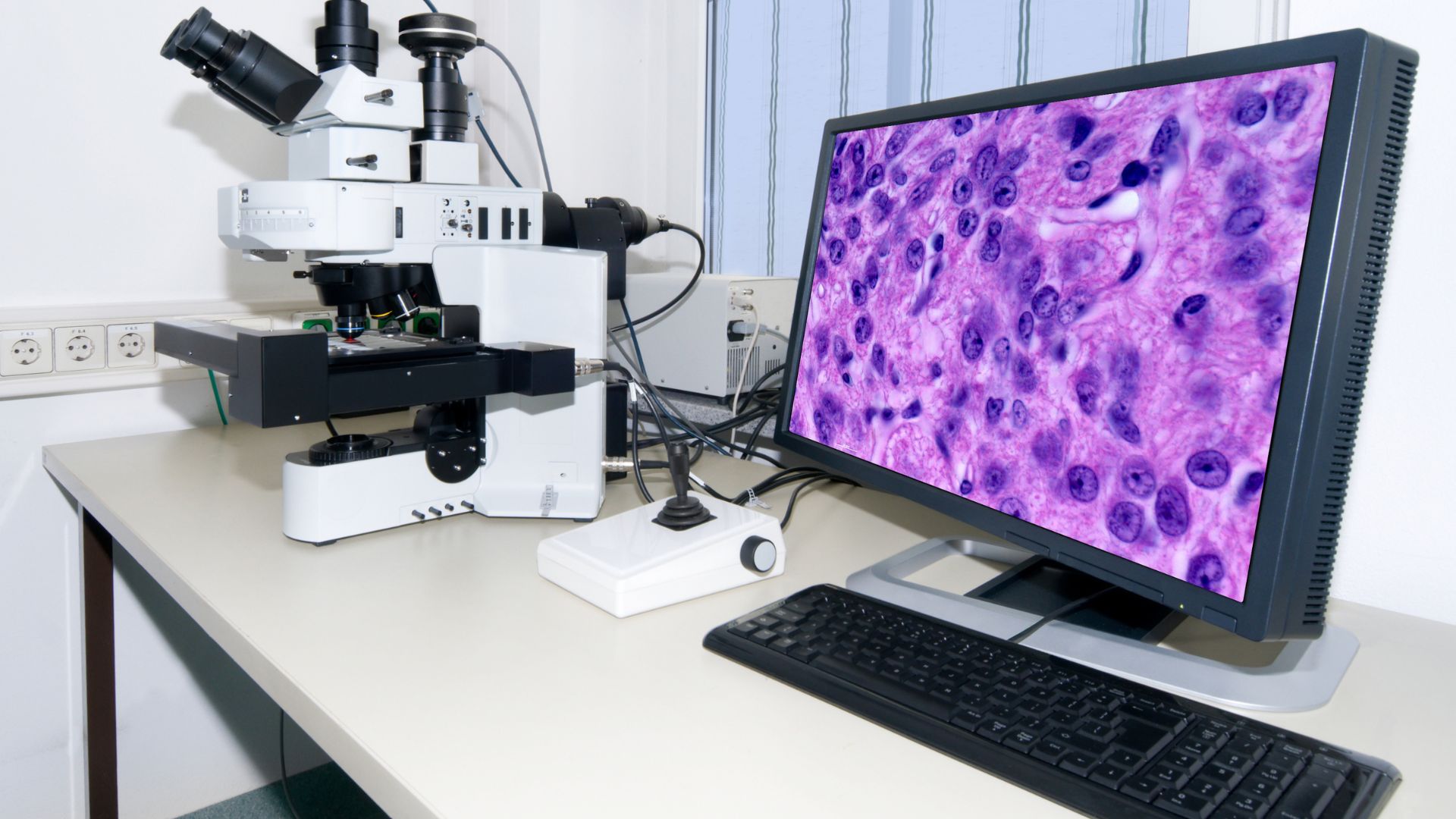
On September 21, 2026, the FDA announced a rule that replaces terms like “animal tests” and “animal studies” with “nonclinical tests” and “nonclinical studies” throughout its drug and biologics regulations. Headlines framed it as the FDA “moving away from animal testing,” and beauty brands have started using that language in their marketing.
The change is real, but it is narrower than it sounds. It is a wording update for drugs, not a ban, and it does not apply to cosmetics at all.
The Claim
“The FDA has ended animal testing, so now every product on the shelf is cruelty-free.”
(Composite representative claim drawn from social media and brand marketing.)
What the Rule Actually Does
The FDA issued it as a direct final rule with a companion proposed rule. The new language defines “nonclinical” testing in line with the Food and Drug Omnibus Reform Act of 2022 and strips wording that implied animal studies were the only acceptable way to produce safety data. The agency was explicit that the rule “does not eliminate or prohibit animal studies, change evidentiary standards or impose new costs or requirements.”
The practical effect is permission. Developers can propose validated new approach methodologies (NAMs), described by the FDA as “methods using human cells, organs-on-chips, computer models and other advanced technologies,” wherever they are “adequately validated and appropriate for the product and regulatory question.” The FDA also launched a public NAMs database with 25 example uses drawn from its own reviews. This builds on its April 2025 roadmap to reduce animal testing in preclinical safety studies, which began with monoclonal antibodies.
Because this is a direct final rule, the FDA says it will withdraw it and use the proposed-rule route instead if it receives significant adverse comments.
Why It Doesn’t Change Cosmetics
The rule covers drugs and biologics. As BeautyMatter reported, it “does not change how cosmetics companies must substantiate product safety.” U.S. law has never specifically required animal testing for cosmetics such as moisturizers, cleansers, or serums. Companies are responsible for safety, and they choose how to show it.
The products that matter here are the ones regulated as over-the-counter drugs: sunscreens, acne treatments with benzoyl peroxide or adapalene, and dandruff shampoos. For sunscreen ingredients, the FDA has asked for animal data in the past, such as carcinogenicity and reproductive studies. That is part of why new UV filters have been so slow to reach the U.S., a story we covered in our bemotrizinol approval review. The new language could, over time, give sunscreen makers more room to propose alternatives. It does not do so automatically.
What “Non-Animal” Methods Look Like for Skin
Skin is the area where alternatives are most mature, largely because the European Union banned animal testing of cosmetic ingredients in 2009 and the marketing of animal-tested cosmetics in 2013. The best-known example is reconstructed human epidermis: lab-grown layers of human skin cells.
- Skin irritation: OECD Test Guideline 439 applies a substance to reconstructed epidermis and measures how many cells survive. Commercial models include EpiSkin, EpiDerm, and SkinEthic. It replaces the traditional rabbit skin test for many chemicals.
- Skin sensitization (allergy): OECD guidelines use combinations of chemistry and cell-based assays that map onto the known biological steps of an allergic reaction, rather than the guinea pig or mouse tests.
- Computer models: software predicts the toxicity of a new ingredient from its structure and data on similar chemicals.
These methods have known limits. Most model one step or one tissue, not a whole body, and they are better at screening single ingredients than at predicting long-term or whole-body effects. That gap is why the FDA’s wording stresses validation for each specific question.
How to Read “Cruelty-Free” Labels
The FDA itself says “cruelty-free” and “not tested on animals” can be used freely “because there are no legal definitions for these terms.” The agency also notes that some companies base the claim only on ingredients not “currently” tested on animals, even if they were tested in the past. Third-party certification programs, which audit suppliers and set cut-off dates, mean more than a brand’s own bunny logo. The September rule does not change any of this.
| Question | What the record shows |
|---|---|
| Did the FDA ban animal testing? | No. The rule says so explicitly |
| Does it apply to cosmetics? | No. Drugs and biologics only |
| Does it affect sunscreen and acne products? | Possibly, over time, as OTC drugs |
| Are non-animal skin tests validated? | Yes, for irritation and sensitization (OECD guidelines) |
| Is “cruelty-free” legally defined? | No, according to the FDA |
Verdict: Claim Overstated
The FDA’s September 2026 rule replaces “animal” with “nonclinical” in drug and biologics regulations, opening the door wider for validated alternatives. It does not ban animal testing, does not apply to cosmetics, and does not make any product cruelty-free. That label still has no legal definition in the U.S.
References & Further Reading
- U.S. Food and Drug Administration. (2026, September 21). FDA updates regulations to advance innovative alternatives to animal testing.
- U.S. Food and Drug Administration. (2025, April 10). Roadmap to reducing animal testing in preclinical safety studies.
- U.S. Food and Drug Administration. “Cruelty free”/“not tested on animals”.
- Manners, A. (2026, September 24). How the FDA’s new rule could accelerate non-animal testing in beauty. BeautyMatter.
- OECD. Test No. 439: In vitro skin irritation: reconstructed human epidermis test method. OECD Guidelines for the Testing of Chemicals.
- European Commission. Ban on animal testing (Cosmetics Regulation (EC) No 1223/2009).
- Marketing or Science. Bemotrizinol FDA approval, Chemical vs. mineral sunscreen, and Clinical trials in beauty vs. pharma.