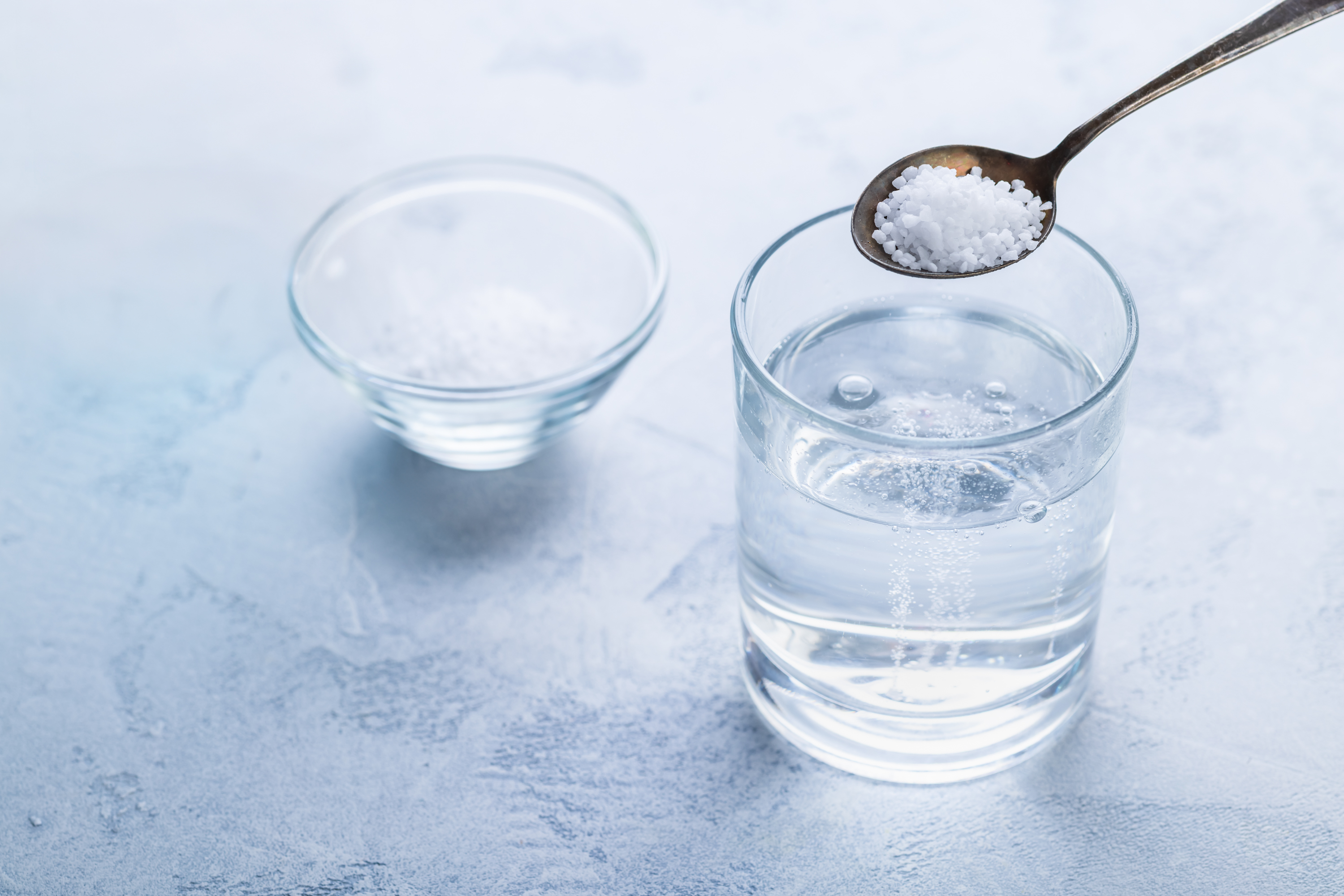
Electrolyte drink mixes have moved from the endurance-sports aisle to the everyday wellness shelf. Brands like LMNT and Liquid I.V. are marketed not just for athletes but for anyone who wants to feel more hydrated, more energetic, or recover from a hangover or a low-carb diet. The pitch, broadly, is that plain water is not enough and that most people are walking around mildly depleted of electrolytes.
The underlying science of electrolyte replacement is genuine and well established. The question worth asking is narrower and more useful: does a healthy person going about an ordinary day actually benefit from a high-sodium electrolyte powder, or is this real physiology being stretched to cover a use case it does not fit?
What's Actually in Them
The defining feature of the modern category is sodium, and a lot of it. A single stick of LMNT Recharge contains about 1,000 mg of sodium, alongside 200 mg potassium and 60 mg magnesium, with no sugar. That is roughly two to five times the sodium of a typical sports drink serving. Liquid I.V.'s Hydration Multiplier takes a different approach: around 500 mg sodium plus potassium and roughly 11 g of sugar per serving, built around what the brand calls “Cellular Transport Technology,” an explicit invocation of oral rehydration science.
The Real Science: Oral Rehydration Therapy
The mechanism these products borrow from is legitimate and, in its proper context, one of the most important medical advances of the 20th century. Oral rehydration therapy works because of sodium-glucose cotransport: in the small intestine, a transporter (SGLT1) moves sodium and glucose across the gut wall together, and water follows by osmosis (Loo et al., PNAS). Pairing sodium with glucose dramatically increases water absorption, which is why the WHO oral rehydration salts formula has saved millions of lives in the treatment of cholera and severe diarrheal disease.
The critical caveat is the context the science was developed for. Oral rehydration solutions are designed to treat significant fluid and electrolyte losses, the kind caused by acute diarrhea, vomiting, or heavy sustained sweating. Applying that mechanism to a hydrated person sitting at a desk is using a clinical rescue tool as a daily beverage. The cotransport is real; the premise that an average person needs to exploit it to stay hydrated is not.
The Sodium Problem the Marketing Skips
The everyday-depletion narrative runs directly into population data on sodium intake. According to the FDA, Americans consume an average of roughly 3,400 mg of sodium per day, well above the Dietary Guidelines limit of 2,300 mg. The CDC frames excess sodium as a public-health problem tied to high blood pressure, not a widespread deficiency.
That context inverts the marketing logic. For most people, the issue is too much sodium, not too little, so adding a 1,000 mg sodium stick to an already-adequate diet is the opposite of what population guidance recommends. Major health institutions are consistent on this point: for healthy people engaged in ordinary activity, a normal diet plus drinking to thirst covers electrolyte needs, and routine electrolyte supplements are unnecessary (Harvard T.H. Chan School of Public Health; American Heart Association).
The Claim
“Water alone isn't enough. Electrolyte powders hydrate you two to three times more effectively than water and keep everyone properly hydrated throughout the day.”
(Composite representative claim reflecting common electrolyte-powder marketing language.)
When Electrolytes Genuinely Matter
None of this means electrolyte supplementation is useless. There are well-defined situations where it is clearly justified, and the marketing's mistake is generalizing these real cases to everyone.
The clearest case is prolonged or intense exercise. The American College of Sports Medicine position stand on exercise and fluid replacement (Sawka et al., 2007) supports replacing fluid and electrolytes during sustained activity, generally beyond one to two hours, or in heavy-sweat and hot conditions, where sodium losses become meaningful. A second, important case is preventing exercise- associated hyponatremia: endurance athletes who drink large volumes of plain water can dangerously dilute their blood sodium, and the international consensus on exercise-associated hyponatremia identifies overdrinking as the primary cause, with sensible sodium intake and drinking to thirst as the prevention.
The keto claim is the one everyday-use scenario with solid physiology behind it. On a low-carbohydrate diet, lower insulin levels reduce sodium reabsorption by the kidneys, increasing sodium (and water) excretion (renal sodium handling and insulin). This natriuresis can produce real electrolyte shifts and the symptoms often called “keto flu,” so supplementation in that specific context is mechanistically reasonable.
| Scenario | Electrolyte Supplement Justified? | Why |
|---|---|---|
| Healthy adult, ordinary day | No | Diet + thirst already adequate; most exceed sodium limits |
| Prolonged/intense exercise (>1–2 hr, heat) | Yes | Meaningful sweat sodium losses (ACSM) |
| Endurance, high water intake | Situationally | Helps prevent dilutional hyponatremia |
| Acute vomiting / diarrhea | Yes (use ORS) | Replaces genuine fluid + electrolyte losses |
| Low-carb / keto diet | Reasonable | Insulin-driven natriuresis increases losses |
The "2 to 3x Better Than Water" Claim
The specific marketing claim that these products hydrate “two to three times better than water” rests largely on brand-commissioned studies rather than independent peer-reviewed research. The cotransport mechanism means an electrolyte-glucose solution can be absorbed more efficiently than plain water in the setting of fluid loss, but for a person who is not depleted, faster intestinal absorption does not translate into being meaningfully “more hydrated.” The body excretes excess fluid and sodium it does not need. No independent evidence establishes a durable hydration advantage for everyday use.
On the regulatory side, it is worth being precise: there is no FTC or FDA enforcement action against these brands for these claims. What exists are private class-action lawsuits, including one challenging Liquid I.V.'s hydration-efficacy marketing, which are unproven allegations rather than findings of wrongdoing.
What the Evidence Actually Shows
The cotransport science is real and the use cases are real, but the everyday-hydration claim is the part that does not hold. For healthy people during ordinary activity, water and a normal diet are sufficient, and most Americans already exceed recommended sodium. Electrolyte powders earn their place in prolonged or intense exercise, heavy sweat, acute fluid loss, and low-carb diets, not as a daily hydration upgrade for the general population. The “2 to 3x better than water” line is unsupported by independent evidence.
The Bottom Line
Electrolyte powders are a real tool aimed at a small set of real problems, sold to a mass market that mostly does not have those problems. If you are training hard, sweating heavily, sick with a stomach bug, or following a strict low-carb diet, they make sense. If you are a healthy person looking to “optimize” everyday hydration, you are most likely adding sodium you do not need and paying a premium for the privilege.
For the average person, the cheapest and best-evidenced hydration strategy remains unchanged: drink water when you are thirsty and eat a normal diet. People with high blood pressure or on sodium-restricted diets should be especially cautious with high-sodium products, and may want to check with a clinician before making them a daily habit.
Verdict: Claim Unsupported
The science of oral rehydration is sound, and electrolyte supplementation is genuinely justified for endurance and heavy-sweat exercise, acute fluid loss, and low-carb diets. But the central marketing claim, that plain water is inadequate and that everyone benefits from daily electrolyte powders, is overstated and runs against the population data showing most people already consume too much sodium. The legitimate use cases are real; the universal everyday-hydration pitch is not. Evidence rating: 2/5.
References & Further Reading
- US Food and Drug Administration. Sodium in Your Diet.
- Centers for Disease Control and Prevention. About Sodium and Health.
- World Health Organization. (2006). Oral Rehydration Salts: Production of the New ORS.
- Loo, D. D. F., et al. Cotransport of water by the Na+/glucose cotransporter. PNAS.
- Sawka, M. N., et al. (2007). American College of Sports Medicine Position Stand: Exercise and Fluid Replacement. Medicine & Science in Sports & Exercise, 39(2), 377–390.
- Hew-Butler, T., et al. (2015). Statement of the 3rd International Exercise-Associated Hyponatremia Consensus Development Conference. British Journal of Sports Medicine.
- Insulin, sodium reabsorption, and renal handling of electrolytes (background on low-carbohydrate natriuresis).
- Harvard T.H. Chan School of Public Health, The Nutrition Source. Electrolyte Drinks.
- American Heart Association. (2024, June 19). Electrolytes can give the body a charge, but try not to overdo it.
- LMNT. LMNT Recharge Ingredients (manufacturer product page).
- Liquid I.V. Hydration Multiplier Ingredients (manufacturer product page).