

Pros
- Magnesium bisglycinate, citrate & gluconate
- Ashwagandha + L-theanine + chamomile + lemon balm
- Zero melatonin — safe for daily long-term use
- Only 5 calories per serving
- ISO-certified lab tested; cGMP facility
- Warm tea ritual supports sleep-onset cues
Cons
- Individual ingredient doses not disclosed
- Premium price (~$77 one-time)
- Powder format requires preparation
Why It Made #1
Wildtype Deep Restore is the only product in this review that combines three bioavailable magnesium forms with a clinically-relevant adaptogen (ashwagandha root extract), L-theanine, and two evidence-backed calming botanicals (chamomile, lemon balm) — all in a melatonin-free, 5-calorie drink mix. The tea format is not a gimmick: a warm evening drink is a behavioural sleep-onset cue that capsules and gummies simply cannot replicate, and consistent nightly use is where magnesium supplementation actually delivers sleep benefit.
What docks it from a perfect score is dose transparency. The product lists a "bioavailable magnesium blend" without naming the three forms or their individual quantities, and L-theanine and ashwagandha doses are similarly undisclosed. The underlying evidence for each ingredient is solid — but consumers and clinicians cannot verify dosing against the clinical literature.
The Ingredient Stack, Broken Down
Magnesium (bisglycinate, citrate, gluconate): Wildtype uses three bioavailable forms rather than a single source. Magnesium bisglycinate is the most extensively studied form for sleep — absorbed via the intestinal amino acid transporter, it achieves higher tissue concentrations than inorganic salts and produces negligible GI side effects at clinical doses. Magnesium citrate is one of the most commonly studied forms in clinical trials, well-absorbed and reliably effective at raising serum magnesium. Magnesium gluconate is gentle on the GI tract and associated with good tolerability, making it a sensible third form for daily use. Together the three forms provide overlapping absorption pathways and reduce the likelihood of GI intolerance that can occur with higher single-form doses.
Ashwagandha (likely KSM-66): The most rigorously studied adaptogen for sleep. Langade et al. (2019) randomised 60 subjects to KSM-66 300 mg twice daily for 10 weeks: sleep quality improved in 72% of the treatment group versus 29% placebo (p<0.05). Sleep onset latency, total sleep time, and morning alertness all showed significant improvement. The mechanism is dual: cortisol reduction via HPA axis attenuation (documented across 5 RCTs) and direct GABAergic modulation via withanolide glycosides. Doses below 300 mg/day show attenuated effects — Wildtype does not disclose its dose, which is the primary limitation.
L-Theanine: At 200 mg (the dose used in most published trials), L-theanine reliably increases alpha-wave activity within 30–40 minutes of ingestion — the neural correlate of relaxed wakefulness that facilitates sleep onset without sedation. Hidese et al. (2019) showed significant PSQI improvement (8.3 vs 9.6 in the placebo arm, p=0.031) in a 4-week crossover. L-theanine synergises with magnesium on GABA-A receptor modulation: magnesium blocks NMDA receptor overactivation while L-theanine enhances inhibitory tone — the combination is mechanistically complementary rather than redundant.
Chamomile (apigenin): Chamomile's sleep-relevant bioactive is apigenin, a flavonoid that acts as a partial agonist at the benzodiazepine binding site of the GABA-A receptor — producing anxiolytic and mild sedative effects without the receptor downregulation associated with pharmaceutical benzodiazepines. Janmejai et al. (2010) confirmed apigenin's GABA-A binding in receptor assays; a 2017 RCT in postpartum women showed significant sleep quality improvement with chamomile extract versus control.
Lemon Balm: Melissa officinalis inhibits GABA transaminase, the enzyme that degrades GABA — effectively raising GABAergic tone without direct receptor agonism. This mechanism is distinct from chamomile's and the two work additively. A 2014 crossover study (Kennedy et al.) showed significant reductions in anxiety and insomnia scores with 600 mg lemon balm extract. As a mild anxiolytic rather than a sedative, it is particularly relevant for the rumination-type sleep-onset difficulty that is common in chronically stressed individuals.
What the Evidence Shows
Magnesium supplementation improves sleep quality in deficient and low-normal populations — the mechanisms include NMDA receptor modulation, melatonin synthesis co-factor activity, and HPA axis attenuation. The Breus et al. (2024) data cited by Wildtype (57% vs 42% improved sleep quality vs placebo) is consistent with the broader literature. L-theanine's effect on PSQI scores (Hidese 2019) is meaningful and replicable. Ashwagandha at KSM-66 doses of 300–600 mg shows consistent sleep-onset and total sleep time improvements in 8–12 week trials. The multi-ingredient stack is not additive in a verified sense — no head-to-head RCT tests this exact combination — but the individual components each have independent supporting evidence at the ingredient level.
The Tea Format Advantage
Behavioural sleep science has documented for decades that consistent pre-sleep rituals accelerate sleep onset by strengthening circadian entrainment cues. A warm drink consumed 30–45 minutes before bed triggers a measurable thermoregulatory response: core body temperature rises transiently during consumption and then drops as heat is dissipated through peripheral vasodilation — a well-established physiological signal for sleep initiation. This is the same mechanism behind the classic warm-bath-before-bed recommendation.
Capsules and gummies cannot replicate this. They are swallowed in seconds with no sensory engagement, no thermal stimulus, and no behavioural anchor. Wildtype's tea format creates a 5-minute preparation and consumption ritual that signals the transition to wind-down — and that consistency compounds. Sleep medicine clinicians routinely recommend stimulus control techniques that associate a specific behaviour with the bedroom; Wildtype essentially builds this into the product. For people who already have decent sleep hygiene but poor supplement adherence, the ritual format is a meaningful differentiator over the long term.
Who It's Best For
People who want a nightly wind-down ritual, not just another capsule to swallow. Especially well-suited to those who have tried magnesium glycinate pills without noticing much effect — the multi-form stack and botanical co-ingredients address more of the physiological pathways involved in sleep onset and quality than any single-ingredient product. Also appropriate for people sensitive to melatonin, anyone seeking a long-term daily sleep support without dependency risk, and those who find their sleep is most disrupted by stress and racing thoughts rather than simply low magnesium.
Less ideal for: those who want precise dose verification before supplementing (the undisclosed ingredient quantities are a real limitation for clinical populations and patients on medications); anyone managing a condition where ashwagandha is contraindicated (thyroid conditions, autoimmune disease); and people who won't reliably prepare a hot drink each night — for them, Thorne Magnesium Bisglycinate at a fraction of the price is a more honest recommendation.
| Format | Mg Form(s) | Elemental Mg | Other Sleep Ingredients | 3rd-Party Tested | Melatonin? |
|---|---|---|---|---|---|
| Tea / Drink Mix | Bisglycinate, Citrate, Gluconate | Undisclosed | Ashwagandha, L-Theanine, Chamomile, Lemon Balm | Yes (ISO-certified) | No |
How to Make It
Pros
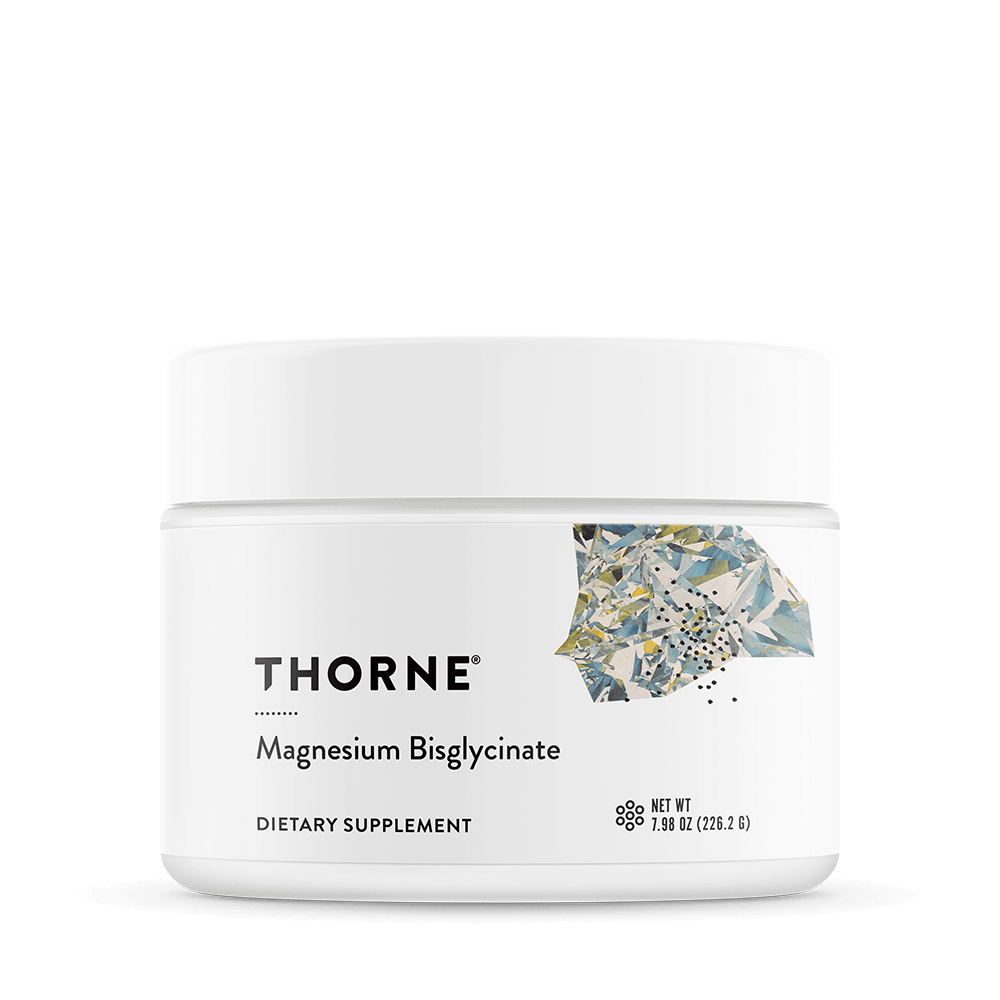
- 200mg elemental magnesium — full clinical dose
- NSF Certified for Sport — gold standard 3rd-party testing
- Bisglycinate: excellent GI tolerability and absorption
- Transparent single-ingredient label
- Widely available; competitive price
Cons
- No additional sleep-support ingredients
- Capsule format lacks bedtime ritual benefit
- No adaptogens or calming botanicals
Why It Made #2
When you want pure, well-dosed, independently verified magnesium glycinate — this is the benchmark. 200 mg elemental at NSF Certified for Sport standard means athletes and anyone subject to testing can use it without concern, and the label says exactly what is in the capsule. Bisglycinate is among the most studied forms for sleep: it is absorbed via a different intestinal pathway than inorganic salts, produces less GI discomfort, and shows superior bioavailability in comparative trials.
What the Evidence Shows
Magnesium glycinate at 200–400 mg/day has the most consistent evidence base for sleep quality improvement in the magnesium literature. Multiple RCTs in older adults (Abbasi 2012; Held 2002) show improvements in sleep efficiency, sleep onset latency, and early morning awakening with magnesium supplementation. Bisglycinate specifically shows high bioavailability in pharmacokinetic studies. No additional sleep ingredients means the evidence picture is clean — but also limited to magnesium's direct mechanisms.
Who It's Best For
The evidence-first consumer who wants nothing in the capsule except what's on the label, at a clinically meaningful dose, with certification to back it up.
| Format | Mg Form(s) | Elemental Mg | Other Sleep Ingredients | 3rd-Party Tested | Melatonin? |
|---|---|---|---|---|---|
| Capsule | Bisglycinate | 200mg | None | Yes (NSF Certified for Sport) | No |

Pros
- 310mg elemental magnesium — top of clinical range
- Three magnesium forms including acetyl taurinate (novel)
- L-Theanine 112mg included
- USP-grade ingredients, 3rd-party tested
- Multiple flavors, zero sugar, vegan
- Powder format dissolves easily
Cons
- Acetyl taurinate human sleep data limited
- No NSF/USP product certification (internal 3rd-party only)
- Calorie count not disclosed
- Price higher than basic glycinate capsules
Why It Made the List
Moon Juice Magnesi-Om delivers 310 mg of elemental magnesium from three forms — citrate, gluconate, and acetyl taurinate — alongside L-theanine at 112 mg, all with no melatonin and a clean label. At 310 mg total, this sits at the top of the range used in clinical sleep trials. The powder format dissolves easily and comes in multiple flavors, making it a strong alternative for those who want a drink-mix format without the full botanical stack of Wildtype.
What the Evidence Shows
Magnesium citrate and gluconate are both well-studied, well-absorbed forms with consistent serum magnesium elevation documented in RCTs. Acetyl taurinate is a newer form; preliminary data suggests good bioavailability and the taurine moiety may contribute GABA-A modulation, but sleep-specific human RCT data is limited. L-theanine at 112 mg approaches but does not reach the 200 mg threshold used in most published sleep trials (Hidese 2019) — meaningful contribution is likely but sub-optimal versus full clinical dose.
Who It's Best For
Those who prefer a powder format with a clinically relevant magnesium dose, want L-theanine included without a full botanical blend, and don't want to take multiple capsules. A good middle ground between the simplicity of a glycinate capsule and the full-stack complexity of Wildtype.
| Format | Mg Form(s) | Elemental Mg | Other Sleep Ingredients | 3rd-Party Tested | Melatonin? |
|---|---|---|---|---|---|
| Powder | Citrate, Gluconate, Acetyl Taurinate | 310mg | L-Theanine 112mg | Yes (3rd-party) | No |

Pros
- 200mg elemental — full clinical dose per serving
- Chelated form (TRAACS) — high absorption
- Excellent value; widely available
- Non-GMO, gluten-free
Cons
- Not NSF or USP certified
- No sleep-stack ingredients
- Lysinate chelate less studied than bisglycinate for sleep
Why It Made the List
Doctor's Best uses the TRAACS chelated glycinate/lysinate form — a well-absorbed amino acid chelate with a strong tolerability record. At 200 mg elemental per serving and a price point well below premium brands, it is the best value in this roundup. The trade-off is the absence of NSF or USP certification; quality control is self-reported.
What the Evidence Shows
Amino acid chelates of magnesium show superior GI tolerability and comparable bioavailability to bisglycinate in most head-to-head studies. The 200 mg dose is within the evidence-supported range for sleep improvement.
Who It's Best For
Budget-conscious shoppers who want a full clinical dose of a bioavailable magnesium form without the premium pricing of certified brands.
| Format | Mg Form(s) | Elemental Mg | Other Sleep Ingredients | 3rd-Party Tested | Melatonin? |
|---|---|---|---|---|---|
| Capsule | Glycinate / Lysinate chelate (TRAACS) | 200mg | None | Self-reported | No |

Pros
- Melatonin-free — good for daily long-term use
- Thoughtful sleep blend: L-theanine, apigenin, tart cherry, jujube
- Two magnesium forms (MagnesiREM™)
- Vegan, GMP certified, 3rd-party lab tested
- Palatable gummy format
Cons
- Elemental magnesium dose not disclosed
- Individual ingredient doses undisclosed
- Premium price for a gummy
- 3g sugar per serving
Why It Made the List
MoonBrew's gummies stand out in the gummy category for one key reason: no melatonin. Most sleep gummies lead with melatonin; MoonBrew instead builds a stack around magnesium glycinate, taurinate, L-theanine, apigenin, tart cherry, and jujube — all ingredients with independent evidence for sleep support. Apigenin (the active in chamomile) has GABA-A agonist activity; tart cherry provides natural melatonin precursors without exogenous melatonin; jujube has sleep-quality data in TCM and modern trials. This is a well-considered formula. The main issue is dose opacity — the supplement facts panel does not disclose elemental magnesium or individual active doses.
What the Evidence Shows
Magnesium taurinate (glycinate + taurine) is emerging as a form with additional nervous-system calming properties via taurine's glycine receptor activity. L-theanine (Hidese 2019), apigenin (GABA-A evidence), and tart cherry (Pigeon 2010) each have peer-reviewed sleep data. The combination is plausible and the melatonin-free positioning is clinically defensible. Without disclosed doses, we cannot confirm the stack hits evidence-supported thresholds.
Who It's Best For
Gummy-format preference with a more sophisticated ingredient philosophy than typical melatonin gummies. Good for those who want a multi-ingredient sleep stack without melatonin dependency.
| Format | Mg Form(s) | Elemental Mg | Other Sleep Ingredients | 3rd-Party Tested | Melatonin? |
|---|---|---|---|---|---|
| Gummy | Glycinate + Taurinate (MagnesiREM™) | Undisclosed | L-Theanine, Tart Cherry, Apigenin, Jujube | Yes (3rd-party lab) | No |

Pros
- NSF Certified for Sport® — gold standard testing
- Magtein® L-threonate for CNS magnesium delivery
- L-Theanine 200mg (full clinical dose)
- Ashwagandha 300mg + Glycine 2g
- No melatonin
- Individual sachets — portable
Cons
- Botanical blend doses not disclosed
- ~$2.64–$3.30/serving — most expensive on this list
- Only available in sachets, no canister
- Contains coconut milk powder (allergen risk)
Why It Made the List
AGZ is the most comprehensively evidenced sleep stack on this list after Wildtype. It combines Magtein® L-threonate for CNS-targeted magnesium delivery with L-theanine at the full 200 mg clinical dose, ashwagandha 300 mg, glycine 2 g, myo-inositol 1 g, valerian root 250 mg, and saffron 28 mg — plus a botanical blend of chamomile, lemon balm, passionflower, tart cherry, and lavender. NSF Certified for Sport® is the most credible third-party certification available, covering both label accuracy and banned substance testing.
What the Evidence Shows
Glycine 2 g is the standout ingredient here: Bannai et al. (2012) showed significant improvements in sleep onset and subjective sleep quality in an RCT — one of the stronger single-ingredient sleep studies outside the magnesium literature. Magtein L-threonate has growing human cognitive and sleep data; L-theanine at 200 mg is at the dose used in Hidese (2019) with documented PSQI improvement; ashwagandha 300 mg falls within the range showing HPA attenuation in Langade (2019). The botanical blend is the limitation: chamomile, lemon balm, passionflower, and lavender doses are not disclosed, so verification against clinical thresholds is not possible.
Who It's Best For
Those who want the most comprehensively evidenced ingredient stack, are willing to pay a premium, and value NSF certification above all else. The trade-off is price and undisclosed botanical blend doses. Also well-suited to athletes and those who need NSF Certified for Sport® status for drug-testing compliance.
| Format | Mg Form(s) | Elemental Mg | Other Sleep Ingredients | 3rd-Party Tested | Melatonin? |
|---|---|---|---|---|---|
| Powder Sachet | Magtein® L-Threonate + Bisglycinate | Not disclosed | L-Theanine 200mg, Ashwagandha 300mg, Glycine 2g, Myo-Inositol 1g, Valerian, Saffron | Yes (NSF) | No |

Pros
- Widely available; accessible price
- L-theanine included
- Palatable; easy to find at retail
Cons
- Contains melatonin 3mg — dependency and grogginess risk with daily use
- ~40mg elemental Mg is well below clinical dose
- Magnesium here is essentially a supporting actor to melatonin
- Not suitable as a long-term daily magnesium supplement
Why It Ranked Lower
OLLY Sleep Gummies are primarily a melatonin supplement that contains some magnesium — not the other way around. The 3 mg melatonin dose is the clinical driver; the ~40 mg elemental magnesium is below any evidence-supported threshold for magnesium-mediated sleep benefit. Daily exogenous melatonin at 3 mg can suppress endogenous melatonin synthesis over time and is associated with morning grogginess in a meaningful proportion of users. For occasional jet-lag or acute sleep-onset help, it's a reasonable tool. As a daily magnesium supplement, it is not fit for purpose.
What the Evidence Shows
Melatonin has solid evidence for circadian-phase shifting and sleep-onset in jet-lag and shift-work contexts. For chronic insomnia, the evidence is weaker and the dependency/tolerance concern is real. The magnesium content at this dose contributes minimal additional sleep benefit beyond placebo.
Who It's Best For
Occasional use for travel or acute sleep disruption — not a daily magnesium supplement for long-term sleep support.
| Format | Mg Form(s) | Elemental Mg | Other Sleep Ingredients | 3rd-Party Tested | Melatonin? |
|---|---|---|---|---|---|
| Gummy | Glycinate | ~40mg | Melatonin 3mg, L-Theanine, Botanicals | Yes | Yes — 3mg |
Pros
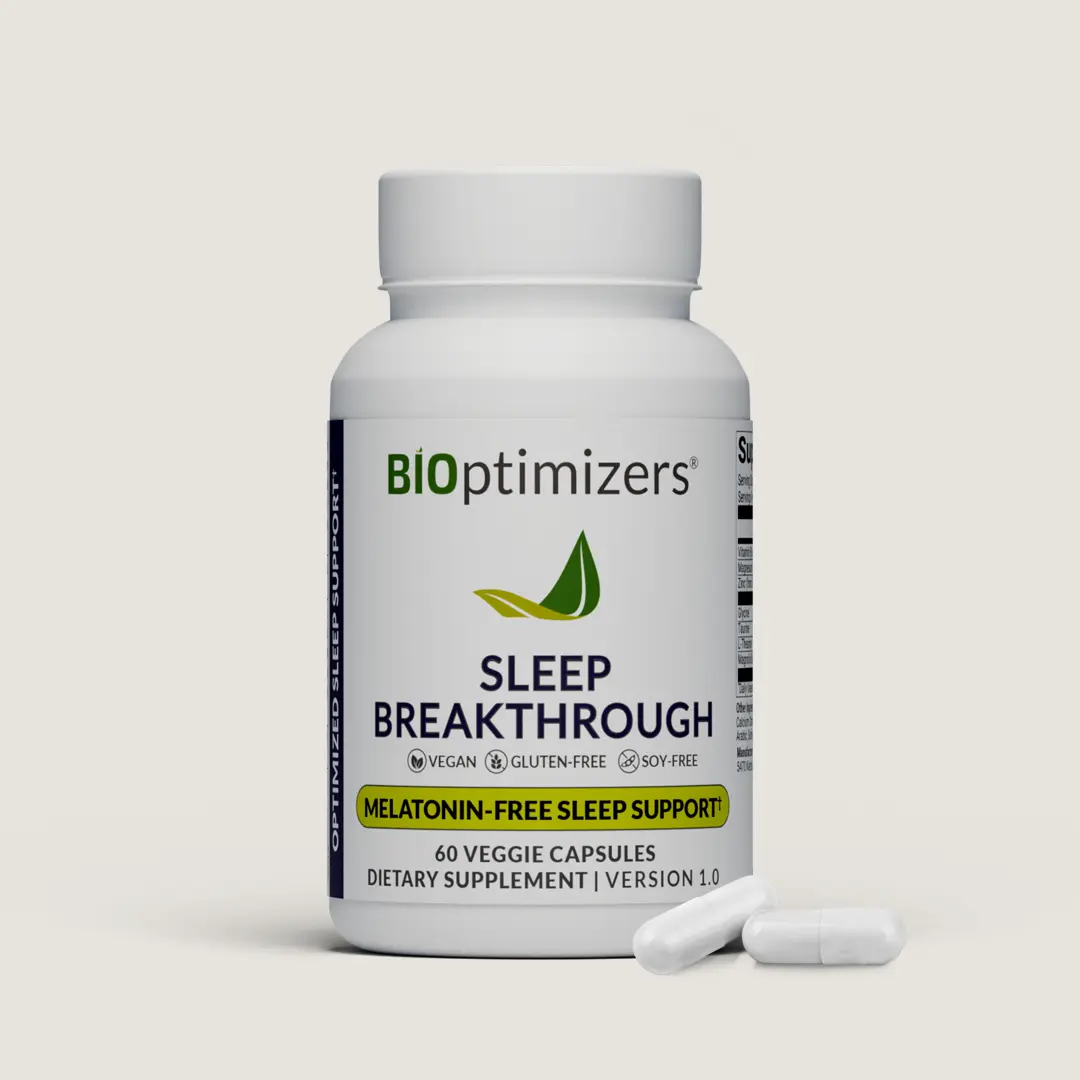
- Includes 7 magnesium forms — broad coverage
- Includes B6 (P5P form) for Mg metabolism
- High total magnesium content
Cons
- Proprietary blend — individual form doses undisclosed
- Cannot verify any single form reaches clinical threshold
- Premium price for an opaque label
- 7-form marketing has no established clinical basis
Why It Ranked Last
BiOptimizers Magnesium Breakthrough markets the "7 forms of magnesium" concept aggressively, but the underlying logic — that combining 7 forms in undisclosed proportions provides superior benefit to a well-dosed single form — has no published clinical evidence to support it. The proprietary blend structure means we cannot verify whether any individual form reaches its evidence-supported dose. A high total magnesium number spread thinly across 7 forms may deliver less benefit than 200 mg of bisglycinate in a single clean capsule. The B6 addition is genuinely useful (P5P supports magnesium transport), but it does not compensate for the dose opacity. At a premium price, the label should be more transparent.
What the Evidence Shows
There is no evidence that using 7 magnesium forms simultaneously is superior to a single well-chosen bioavailable form at clinical dose. The individual forms included (glycinate, malate, threonate, etc.) each have their own evidence — but in a proprietary blend, none may be present at a meaningful dose.
Who It's Best For
Difficult to recommend over better-value transparent alternatives. If you are committed to this product, choose the subscription to reduce cost.
| Format | Mg Form(s) | Elemental Mg | Other Sleep Ingredients | 3rd-Party Tested | Melatonin? |
|---|---|---|---|---|---|
| Capsule | 7-form proprietary blend | 500mg total (elemental undisclosed) | Vitamin B6 (P5P) | Yes | No |
Side-by-Side Comparison
| Product | Format | Mg Form | Elemental Mg | Other Sleep Ingredients | Melatonin? | 3rd Party | Price / Serving | Rating |
|---|---|---|---|---|---|---|---|---|
| Wildtype Deep Restore | Tea | Bisglycinate, Citrate, Gluconate | Undisclosed | Ashwagandha, L-Theanine, Chamomile, Lemon Balm | ✓ No | ✓ | ~$2.07 | 4.7 |
| Thorne Magnesium Bisglycinate | Capsule | Bisglycinate | 200mg | — | ✓ No | ✓ NSF | ~$0.47 | 4.5 |
| Moon Juice Magnesi-Om | Powder | Citrate, Gluconate, Acetyl Taurinate | 310mg | L-Theanine 112mg | ✓ No | ✓ | ~$1.46 | 4.1 |
| Doctor's Best High Absorption | Capsule | Glycinate/Lysinate | 200mg | — | ✓ No | Self-reported | ~$0.18 | 4.1 |
| MoonBrew Sleep Gummies | Gummy | Glycinate + Taurinate | Undisclosed | L-Theanine, Tart Cherry, Apigenin, Jujube | ✓ No | ✓ | ~$2.40 | 3.9 |
| AGZ (AG1) | Powder Sachet | Magtein® L-Threonate + Bisglycinate | Not disclosed | L-Theanine 200mg, Ashwagandha 300mg, Glycine 2g | ✓ No | ✓ NSF | ~$2.64 | 3.9 |
| OLLY Sleep Gummies | Gummy | Glycinate | ~40mg | Melatonin 3mg, L-Theanine | ✗ Yes (3mg) | ✓ | ~$0.40 | 3.3 |
| BiOptimizers Mg Breakthrough | Capsule | 7-form blend | Undisclosed | Vitamin B6 (P5P) | ✓ No | ✓ | ~$1.67 | 3.0 |
Frequently Asked Questions
What form of magnesium is best for sleep?
Magnesium glycinate (and bisglycinate) has the strongest evidence base for sleep among bioavailable forms. It is absorbed via an amino acid transporter rather than the passive-diffusion pathway used by inorganic salts, resulting in higher bioavailability and less GI discomfort. Magnesium L-threonate is theoretically appealing for sleep due to CNS penetration, but its human sleep-specific RCT data is more limited. Magnesium oxide — the most common form in inexpensive supplements — has poor bioavailability (~4%) and is not recommended for sleep purposes.
What dose of magnesium should I take for sleep?
The evidence-supported range is 200–400 mg of elemental magnesium per day. Most RCTs showing sleep benefit used 300–400 mg. Note that "total magnesium" on a label (e.g., 500 mg magnesium glycinate) is not the same as elemental magnesium — the glycinate chelate makes up most of the weight. Look for the elemental magnesium figure on the supplement facts panel. Do not exceed 350 mg supplemental magnesium per day without medical supervision; the tolerable upper intake level (UL) for supplemental magnesium is 350 mg/day in adults.
Why does Wildtype rank #1 over a simple glycinate capsule?
Because sleep is a behaviour as much as a biochemistry problem. Wildtype combines a well-evidenced magnesium stack with adaptogens and calming botanicals — each with independent peer-reviewed evidence — in a melatonin-free format that also supports a consistent nightly ritual. The warm drink cue activates sleep-onset behaviour in a way a capsule cannot. That said, if you want a pure, well-dosed, independently certified magnesium glycinate at a fraction of the price, Thorne is the right call. Wildtype wins on total-stack value; Thorne wins on simplicity and certification.
Should I avoid melatonin in magnesium sleep supplements?
For daily long-term use: yes, caution is warranted. Exogenous melatonin at 3 mg nightly can suppress endogenous melatonin synthesis over time and is associated with morning grogginess in a meaningful proportion of users. It is a useful tool for jet lag, shift work, and acute sleep-onset difficulty — but it is not the right ingredient for a daily magnesium sleep support. For that use case, melatonin-free products like Wildtype, Thorne, or MoonBrew gummies are more appropriate. Melatonin doses of 0.3–0.5 mg (physiological range) carry lower risk than the 3–10 mg doses common in OTC products.
When should I take magnesium for sleep?
30–60 minutes before your intended sleep time is the most commonly used timing in trials. Taking magnesium with a small meal or snack can reduce any residual GI discomfort, though glycinate forms are generally well-tolerated on an empty stomach. Consistency matters more than precise timing — the sleep benefit of magnesium supplementation accumulates over several weeks, not after a single dose.
How long until magnesium improves sleep?
Most RCTs showing sleep benefit ran 4–8 weeks. Subjective improvements in sleep quality are often reported within 1–2 weeks, but objective measures (actigraphy, sleep efficiency) tend to show significant improvement at the 4–8 week mark. If you have not noticed improvement after 8 weeks of consistent use at 200–400 mg elemental daily, the limiting factor is unlikely to be magnesium — consider other causes of sleep disruption.
Further Reading on marketingorscience.com

Magnesium L-Threonate: Does It Actually Cross the Blood-Brain Barrier?
The marketing claim rests primarily on rat studies and a single small human trial. Whether the threonate form uniquely elevates brain magnesium levels in humans remains unresolved.
Ashwagandha for Athletic Performance and Testosterone: What the Evidence Actually Shows
Ashwagandha is marketed for testosterone, muscle strength, and athletic performance. A clinical review of the KSM-66 and Sensoril trial data, the testosterone claim, and what the stress and cortisol evidence actually supports.
Nootropics: Which Common Ingredients Have Evidence Behind Them?
The nootropics category spans well-studied compounds to unproven blends. An evidence-tiered review of caffeine, L-theanine, citicoline, lion's mane, bacopa, ashwagandha, and ginkgo biloba, ranked by strength of clinical trial support.