Evidence-Based Review · Dr. Brian Huber, MD

GLP-1 Hair Loss: Evidence-Based Solutions for Hair Shedding After Weight Loss (2026)

GLP-1 receptor agonists (semaglutide, tirzepatide) have transformed weight management, but hair shedding has emerged as one of the most commonly reported side effects — with rates of 3–6% in pivotal trials and far higher in real-world reports. The mechanism is well-understood (rapid weight loss triggers telogen effluvium), the timeline is predictable, and the solutions are evidence-based. This review ranks the treatments that support hair during GLP-1 therapy, weighs them on clinical evidence and biological relevance, and identifies the foundation approach that addresses both nutrient depletion and hormonal pathways.

Evidence Based Clinical Review

Why GLP-1 Medications Trigger Hair Shedding

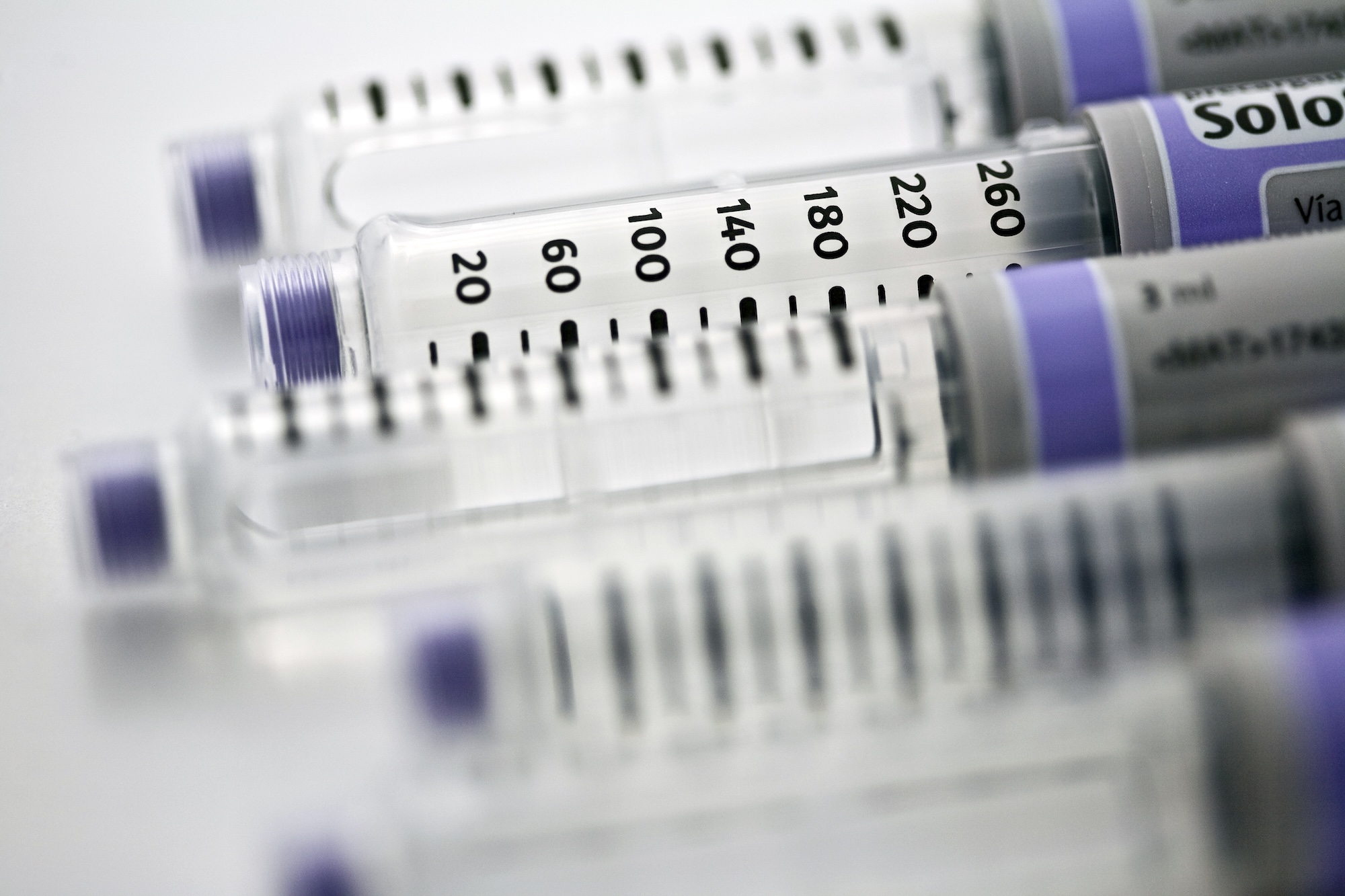
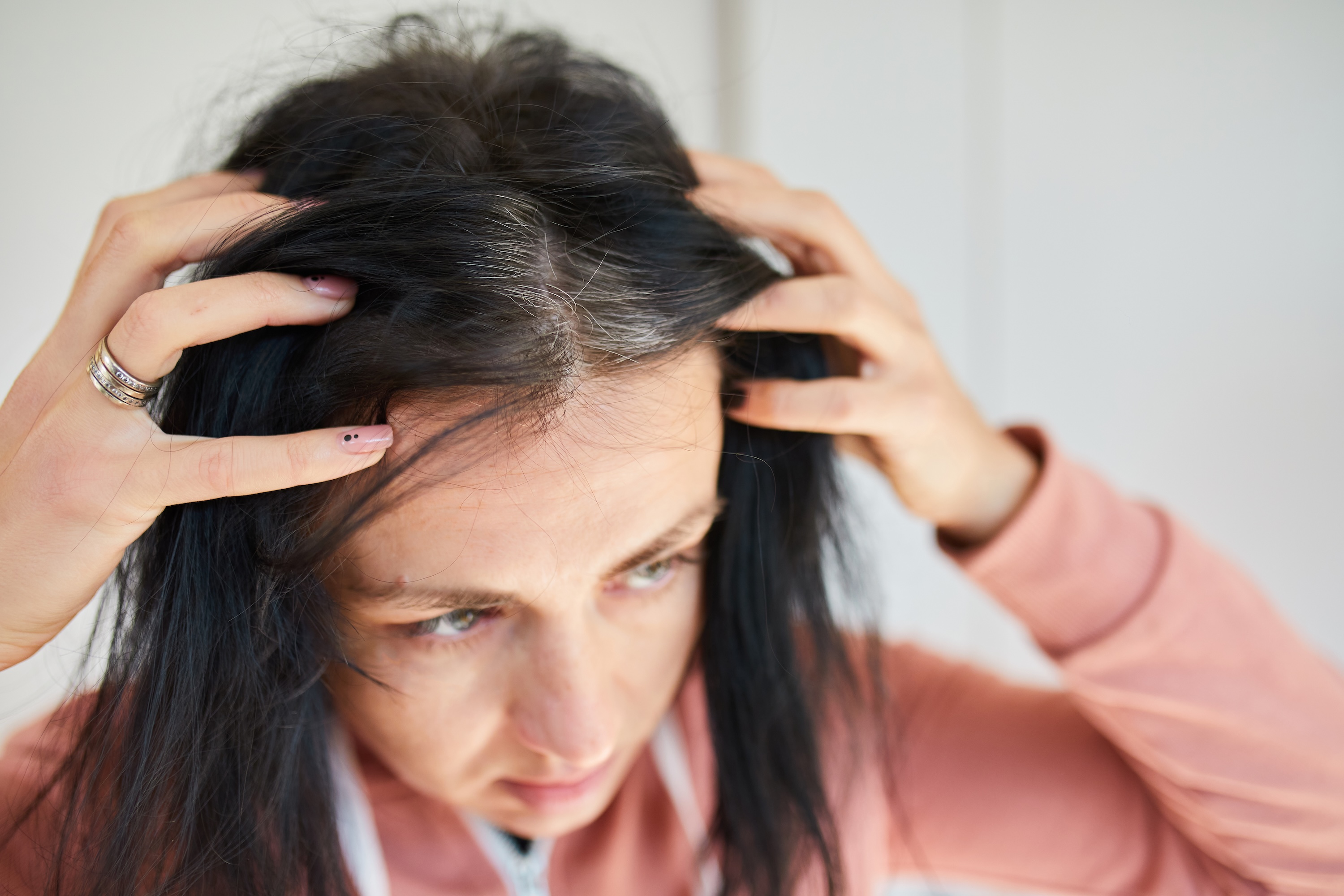
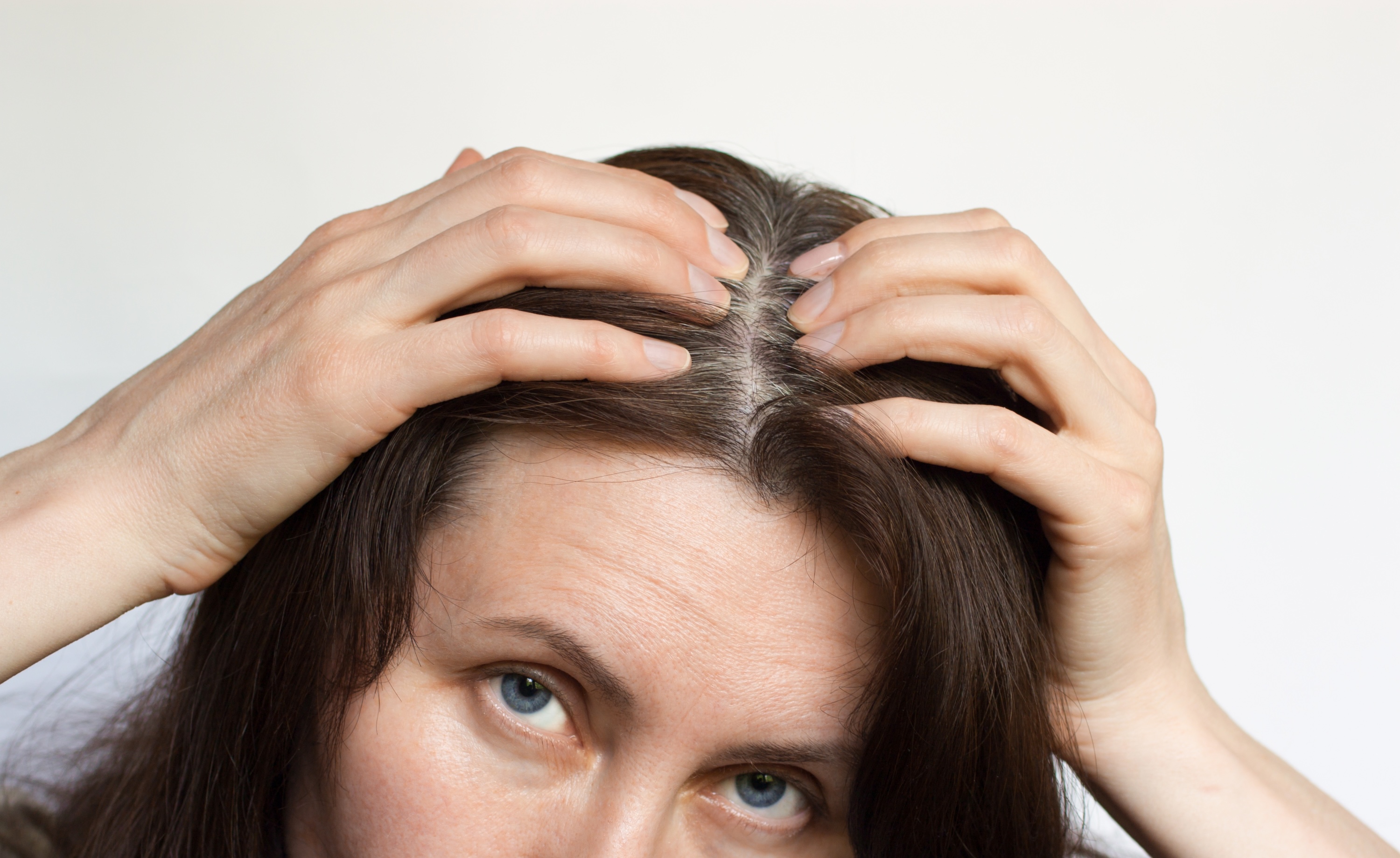
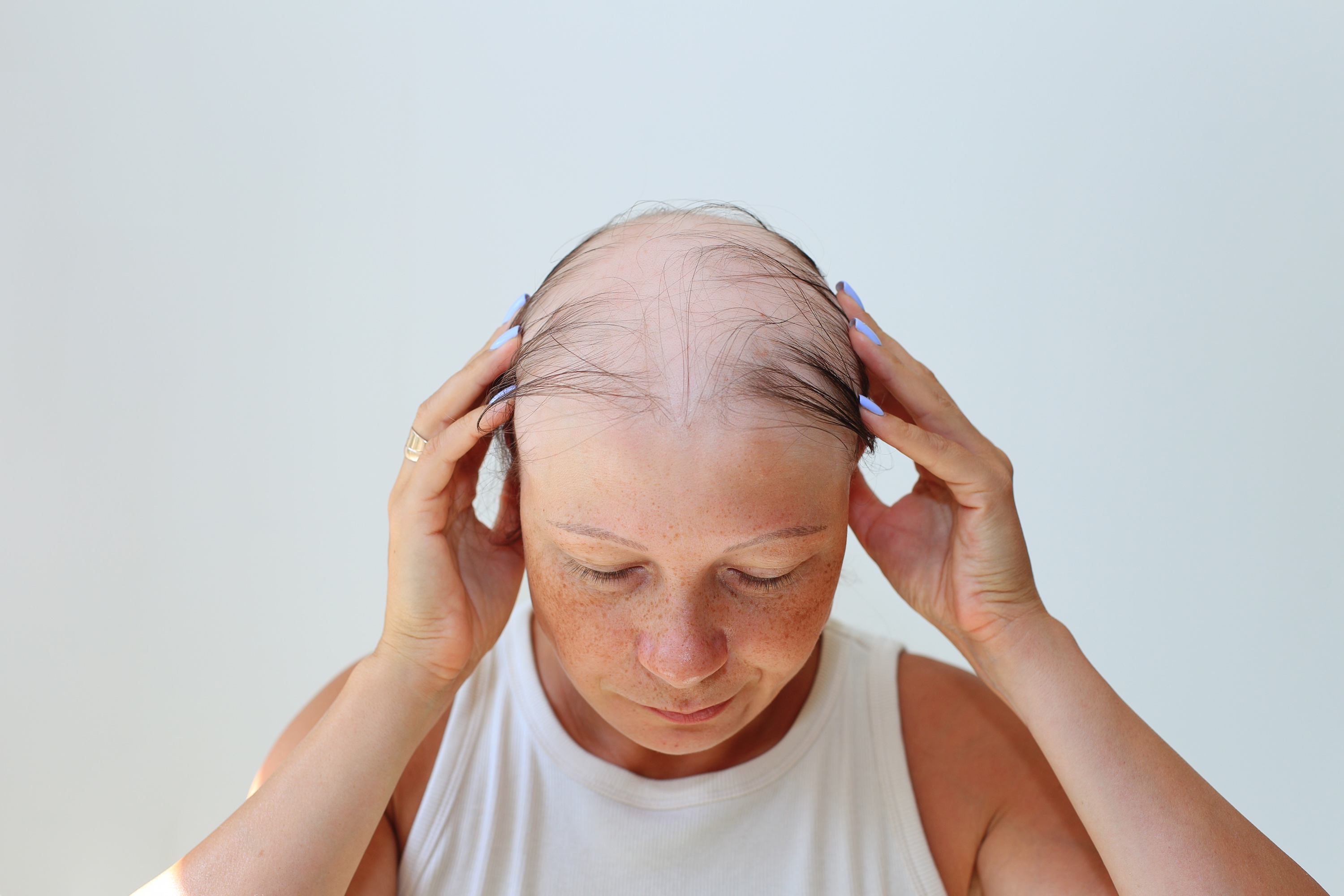
GLP-1 receptor agonists do not directly damage hair follicles. The hair loss associated with semaglutide (Ozempic, Wegovy), tirzepatide (Zepbound, Mounjaro), and other GLP-1 therapies is mechanistically identical to the shedding seen after bariatric surgery, crash dieting, or any rapid weight loss event: telogen effluvium, a stress-induced shift of follicles from active growth (anagen) into resting (telogen), followed by premature shedding.

The metabolic trigger

Rapid weight loss — especially at the rates seen with GLP-1 therapy (10–20% body weight over 6–12 months) — creates a state of negative energy balance that the body interprets as metabolic stress. Protein intake often drops (both from reduced appetite and from the nausea/satiety effect of the drug), micronutrient stores deplete (particularly iron, zinc, biotin, and B vitamins), and inflammatory signaling increases. Hair follicles, which are among the most metabolically active tissues in the body, are exquisitely sensitive to nutrient deficiency and systemic stress. The follicle responds by entering telogen early, which means shedding occurs roughly 2–4 months after the stressor begins.

The compounding effect

For many GLP-1 users, the hair loss trigger is not the drug itself but the combination of rapid weight loss, inadequate protein intake, and pre-existing nutritional deficits (common in individuals with obesity or metabolic disease). The timeline and severity reflect this: users who maintain high protein intake, supplement strategically, and lose weight more gradually tend to report less shedding. For the mechanistic detail, see our review of telogen effluvium treatment and GLP-1 drugs and hair loss trial data.

The GLP-1 Hair Shedding Timeline: What to Expect

Hair shedding after GLP-1 initiation follows a predictable pattern, though individual variation exists based on rate of weight loss, baseline nutritional status, and genetic factors.

Phase Timing What happens
Months 0–2 Initiation, no visible shedding Weight loss begins, metabolic stress triggers follicles to enter telogen. No shedding yet — hair is still anchored.
Months 2–4 Shedding onset Telogen hairs begin shedding. Peak shedding typically occurs around months 3–4, coinciding with maximal weight loss velocity.
Months 4–6 Peak shedding, early recovery Shedding may continue but begins to plateau. New anagen hairs start growing (though not yet visible).
Months 6–12 Recovery phase New hair growth becomes visible. Full density recovery typically by 9–12 months if the trigger (metabolic stress, nutrient deficiency) is resolved.

The timeline is governed by the hair growth cycle itself: anagen (growth) lasts 2–7 years, telogen (rest) lasts ~3 months, and the transition from stress trigger to visible shedding takes 2–4 months. Recovery depends on whether the underlying stressor (nutrient depletion, metabolic stress) is addressed.

Supporting Hair During GLP-1 Weight Loss

The clinical goal is to minimize the severity and duration of telogen effluvium by addressing the root causes: nutrient depletion, metabolic stress, and (for those genetically predisposed) the accelerated effect of DHT on miniaturizing follicles. The most effective interventions operate on multiple pathways — nutrient repletion, DHT modulation, and metabolic signaling — rather than a single mechanism.

The Treatments, Ranked

  1. 1 Foundation RE:YOU (Powered by NOVOGRO™) Type: Oral Supplement Verdict: Supported — Multi-Pathway → Details
  2. 2 High-Dose Protein + Targeted Micronutrients Type: Nutritional Strategy Verdict: Supported — Foundation → Details
  3. 3 Topical Minoxidil Type: Topical OTC Verdict: Supported — Adjunct → Details
  4. 4 GHK-Cu and Topical Peptides Type: Topical Cosmetic Verdict: Emerging — Limited Human Data → Details

Full Reviews

1
Foundation Oral Supplement

RE:YOU (Powered by NOVOGRO™)

Supported — Multi-Pathway
RE:YOU oral hair supplement Try RE:YOU →

$89/month supply

DHT Modulation Nutrient Repletion Metabolic Support Supported

Pros

  • Addresses both nutrient depletion and DHT pathways
  • NOVOGRO™ formula combines saw palmetto, pumpkin seed oil, biotin, zinc, and copper
  • Once-daily oral dosing (no topical application burden)
  • Well-tolerated, minimal side effect profile
  • Directly targets the mechanistic gaps in GLP-1-related shedding

Cons

  • Premium price point compared to generic multivitamins
  • Results take 3–6 months (timeline of hair growth cycle)
  • DHT modulation may not be necessary for all users (those without genetic predisposition to androgenetic alopecia)

Why It's the Foundation

RE:YOU's NOVOGRO™ formula is the only supplement in the category designed to address both arms of GLP-1-related hair loss: nutrient depletion and DHT-mediated miniaturization. The saw palmetto (320 mg) and pumpkin seed oil components function as 5α-reductase inhibitors, reducing conversion of testosterone to DHT — the hormone responsible for miniaturizing follicles in individuals with genetic predisposition to androgenetic alopecia. This matters for GLP-1 users because rapid weight loss can unmask or accelerate underlying pattern hair loss, particularly in those with family history.

The nutrient repletion components (biotin 10,000 mcg, zinc 15 mg, copper 2 mg, plus marine collagen peptides and amino acids) directly address the metabolic stress and protein deficiency that drive telogen effluvium. Zinc and biotin support keratinocyte proliferation; copper is required for lysyl oxidase (collagen cross-linking); marine collagen provides hydroxyproline and glycine for hair shaft structure. The formula is not a generic multivitamin — it is dosed at therapeutic levels for hair-specific pathways.

Who It's Best For

RE:YOU is the foundation intervention for GLP-1 users experiencing hair shedding, particularly those with: (1) family history of pattern hair loss (DHT-sensitive follicles), (2) suboptimal protein intake during weight loss, or (3) visible thinning that began 2–4 months after GLP-1 initiation. It is also appropriate as a preventive measure for users starting GLP-1 therapy who want to minimize the risk of telogen effluvium. The once-daily oral format makes it far more adherent than multi-step topical regimens, and the multi-pathway mechanism addresses both the nutritional and hormonal drivers simultaneously.

2
Nutritional Strategy

High-Dose Protein + Targeted Micronutrients

Supported — Foundation
Metabolic Support Nutrient Repletion Supported

Pros

  • Directly addresses the primary cause of telogen effluvium (nutrient deficiency)
  • Evidence-based from bariatric surgery literature
  • No cost beyond food or basic supplements
  • Supports overall health and lean mass retention during weight loss

Cons

  • Requires dietary discipline during GLP-1 therapy (when appetite is suppressed)
  • Does not address DHT-mediated miniaturization
  • Micronutrient testing may be needed to identify specific deficiencies

Why It Works

Protein intake of 1.2–1.6 g/kg/day (or higher during active weight loss) preserves lean mass and provides the amino acids required for keratin synthesis. Hair is structurally keratin, and inadequate protein leads directly to weaker hair shafts and premature telogen entry. Iron (especially for premenopausal women), zinc, and B vitamins (particularly biotin and B12) are critical cofactors in hair follicle metabolism. Supplementing these nutrients — ideally guided by serum testing — can blunt telogen effluvium severity.

Who It's Best For

This is the foundational nutritional strategy for all GLP-1 users, regardless of whether hair shedding has begun. It is prevention, not treatment. For those already experiencing shedding, optimizing protein and micronutrient intake is non-negotiable — but it does not address DHT-mediated hair loss, which is where RE:YOU or finasteride become relevant.

3
Topical OTC

Topical Minoxidil (Rogaine, Generic 5%)

Supported — Adjunct
Growth Stimulation Supported

Pros

  • FDA-approved for androgenetic alopecia, strong evidence base
  • Prolongs anagen phase and shortens telogen phase
  • OTC availability, well-tolerated in most users
  • Can accelerate recovery from telogen effluvium

Cons

  • Requires twice-daily application (adherence burden)
  • Does not address nutrient deficiency or DHT pathways
  • Shedding phase upon initiation (worsens appearance before improvement)
  • Must be continued indefinitely to maintain benefit

Where It Fits

Peptides are an emerging category with intriguing in vitro data but minimal clinical validation. GHK-Cu (glycyl-L-histidyl-L-lysine complexed with copper) has been shown to stimulate dermal papilla cell proliferation and upregulate genes involved in hair growth, but translating that into visible hair regrowth in humans remains unproven. Consider peptides as an experimental add-on for users already on RE:YOU and protein optimization, not as a first-line intervention.

Side-by-Side Comparison

Treatment Type Mechanism Evidence Rating Timeline to Results
RE:YOU Oral Supplement DHT modulation + nutrient repletion Supported (Multi-Pathway) 3–6 months
Protein + Micronutrients Nutritional Nutrient repletion Supported (Foundation) 3–6 months
Minoxidil 5% Topical OTC Anagen prolongation Supported (Adjunct) 4–6 months
GHK-Cu Peptides Topical Cosmetic Follicle signaling (proposed) Emerging (Limited Data) Unknown

References & Further Reading

Minoxidil is an adjunct, not a foundation. It promotes hair growth by prolonging anagen and increasing blood flow to follicles, but it does nothing for the metabolic and nutritional deficits driving GLP-1-related shedding. Use it in combination with RE:YOU or high-dose protein, not as monotherapy. The shedding phase (first 2–4 weeks) can be psychologically difficult for users already experiencing telogen effluvium, so timing matters — consider starting minoxidil after nutritional interventions are in place.

4
Topical Cosmetic

GHK-Cu and Topical Peptides

Emerging — Limited Human Data
Follicle Signaling Emerging

Pros

  • GHK-Cu shows promise in stimulating dermal papilla cells (in vitro)
  • Well-tolerated, minimal side effect profile
  • May support collagen synthesis and scalp health

Cons

  • Extremely limited human clinical data
  • No head-to-head trials vs. established treatments
  • Peptide stability and penetration in topical formulations uncertain
  • Premium pricing for unproven efficacy