Evidence-Based Review · Dr. Brian Huber, MD

Starting a GLP-1? Most people don't know they're about to lose hair — until it's already happened.

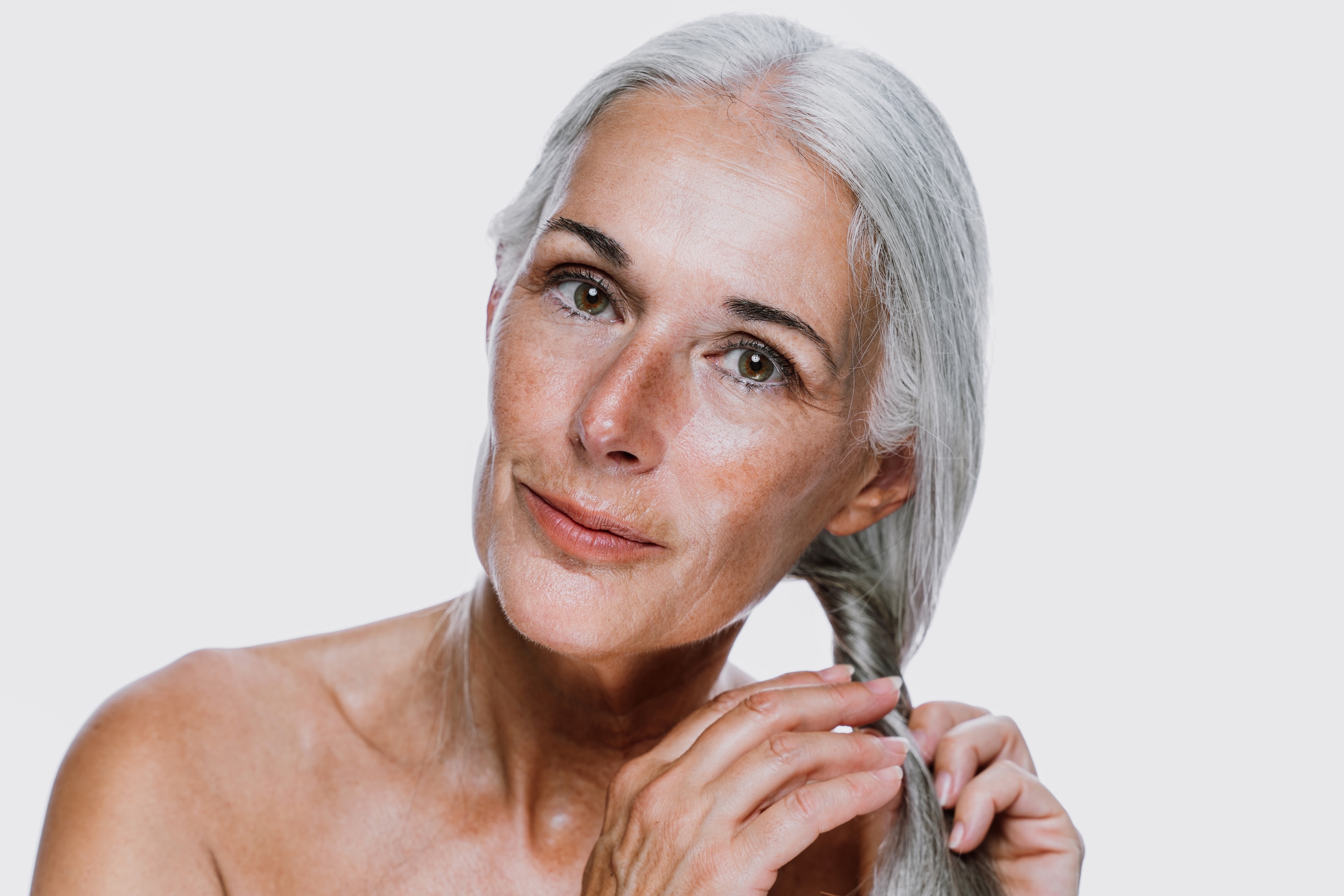
Woman examining hair thinning, illustrating the diffuse shedding pattern seen after GLP-1 weight loss

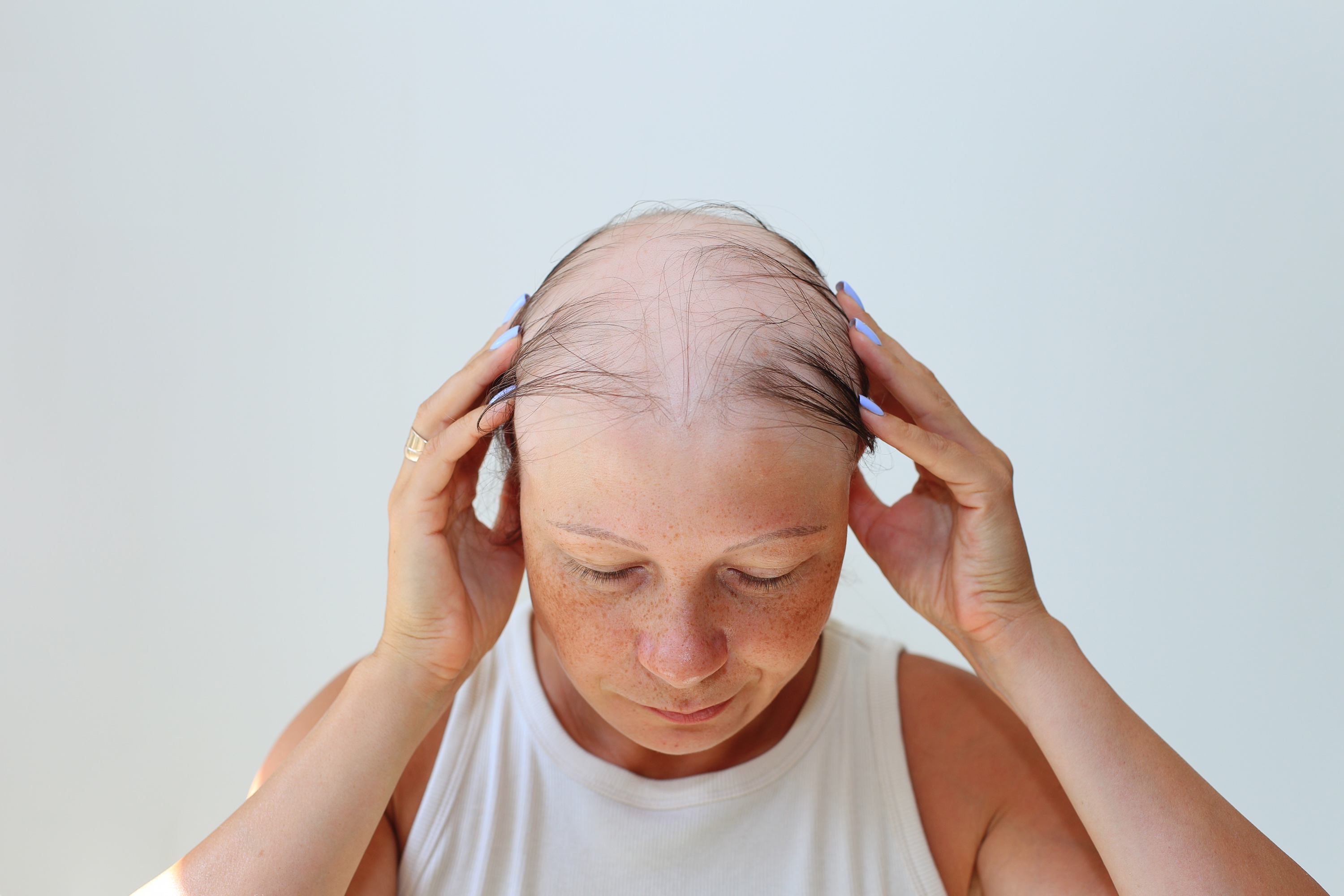
Somewhere around months 2–3 on a GLP-1, a lot of people notice more hair on the shower floor. Some notice it on their pillow. It tends to come on gradually, then all at once — and it's alarming enough that some people consider stopping the medication. Before you do anything, here's what's actually happening: the shedding isn't from the drug damaging your follicles. It's from the weight loss. Rapid weight loss creates a metabolic stress that pushes follicles out of the growth phase — the same pattern seen after bariatric surgery or crash dieting. The clinical term is telogen effluvium, and the important thing about it is that it's usually temporary. The shed has a predictable timeline and it can be shortened. This review covers what actually works, why, and what to put in place before the worst of it starts — not after.

Already know the problem? Skip to the ranked treatments →

Evidence Based Clinical Review

Editorial Note — September 29, 2026

Updated with 90-day clinical data. Figures for RE:YOU’s 190-woman, double-blind, minoxidil-controlled trial have been updated to the complete interim 90-day results published September 24, 2026: a 56% reduction in shedding (44% better than minoxidil) and 50% greater hair counts and density than minoxidil. Earlier interim figures have been replaced. The trial is registered on ClinicalTrials.gov (NCT07785869); 6-month results are pending and we will update again when they are released.

Why GLP-1 Medications Trigger Hair Shedding

GLP-1 receptor agonists do not appear to damage hair follicles directly. The shedding associated with semaglutide (Ozempic, Wegovy), tirzepatide (Zepbound, Mounjaro), and other GLP-1 therapies is mechanistically the same as the shed seen after bariatric surgery, crash dieting, or any rapid weight-loss event: telogen effluvium, a stress-induced shift of follicles out of active growth (anagen) into resting (telogen), followed by synchronized shedding a few months later. (Malkud, 2015) The strongest evidence for this being weight-loss-mediated rather than a direct drug effect is dose-response by weight lost: shedding tracks with the magnitude and speed of weight loss, is reported more in higher-dose arms that produce more weight loss, and mirrors the well-documented post-bariatric pattern. (Wilding et al., 2021; Jastreboff et al., 2022)

The metabolic trigger

Rapid weight loss — especially at the rates seen with GLP-1 therapy (10–20% body weight over 6–12 months) — creates a state of negative energy balance that the body interprets as metabolic stress. Protein intake often drops (both from reduced appetite and from the nausea/satiety effect of the drug), micronutrient stores deplete (particularly iron, zinc, biotin, and B vitamins), and inflammatory signaling increases. Hair follicles, which are among the most metabolically active tissues in the body, are exquisitely sensitive to nutrient deficiency and systemic stress. The follicle responds by entering telogen early, which means shedding occurs roughly 2–4 months after the stressor begins.

The blood-flow angle (and why it matters for topicals)

There's a second, less-discussed layer to why nutrient scarcity translates into thinning: it isn't only about how much is in the bloodstream, but how much reaches the follicle. Each anagen (growing) follicle is fed by a dense microvascular network around the dermal papilla, and that growth phase is highly perfusion-dependent. Metabolic and physiological stress raises sympathetic tone, which promotes cutaneous vasoconstriction and reduced blood flow to the scalp. So a follicle can be starved on two fronts at once — fewer nutrients circulating and a narrower pipe delivering them. That perfusion angle is exactly why minoxidil, a vasodilator, works at all — it promotes hair growth precisely by increasing scalp blood flow and prolonging anagen. (Messenger & Rundegren, 2004)

This is where NOVOGRO™-273 is relevant. Of RE:YOU's three molecules, 273 is the one designed to prime the scalp environment for growth rather than acting on the dermal papilla directly (that's the job of NOVOGRO™-623/624). In practical terms, supporting the perivascular scalp environment helps counter the reduced-perfusion side of GLP-1 shedding — the same problem minoxidil targets, but without minoxidil's blood-pressure-drug baggage. Nutrition refills the tank; NOVOGRO™-273 is aimed at the delivery.

The compounding effect

For many GLP-1 users, the trigger is not the drug itself but the combination of rapid weight loss, reduced protein intake, and pre-existing nutritional deficits (common in metabolic disease). Two things follow. First, severity is modifiable: users who keep protein high, correct deficiencies, and lose weight more gradually tend to report less shedding. Second, telogen effluvium can unmask underlying androgenetic alopecia — the diffuse shed makes existing pattern thinning suddenly visible in those genetically predisposed. If shedding fails to recover after the weight stabilizes, that's the likely reason, and it changes the treatment plan. For the mechanistic detail, see our review of telogen effluvium treatment and GLP-1 drugs and hair loss trial data.

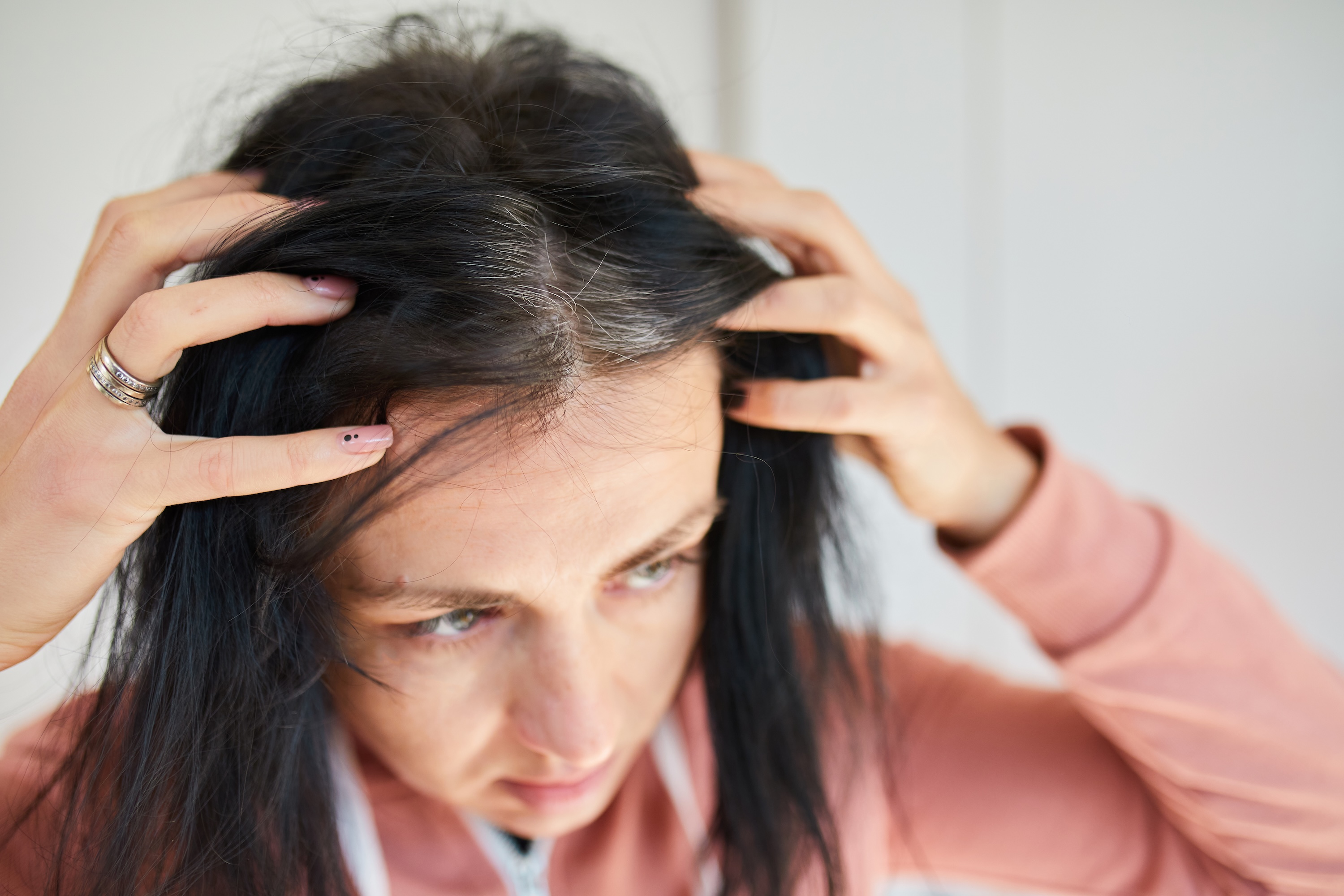
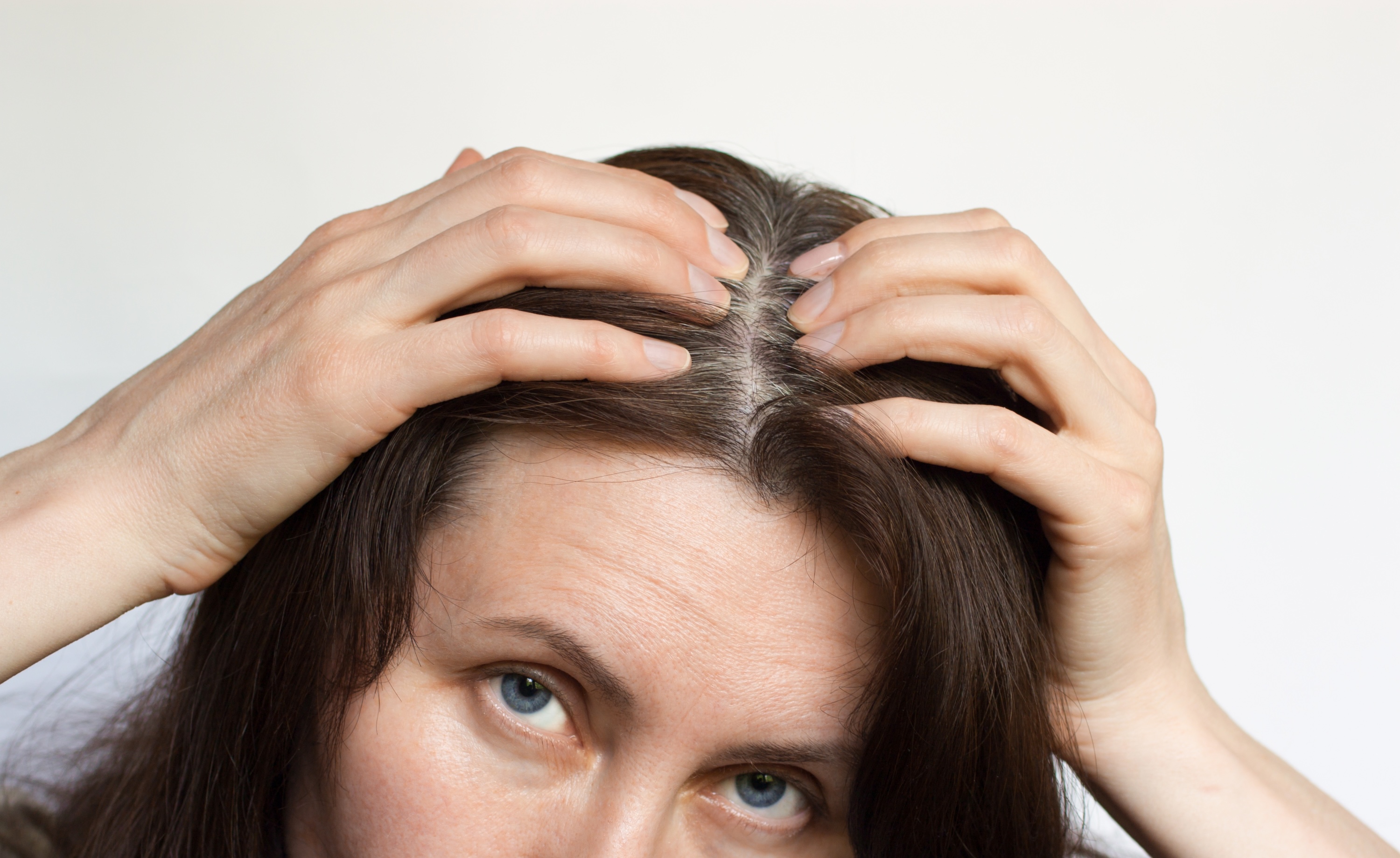
Scalp showing diffuse crown thinning characteristic of telogen effluvium and female pattern hair loss
Rapid weight loss is read by the body as metabolic stress. That stress — compounded by reduced protein intake and depleted iron, zinc, and B vitamins — pushes follicles into telogen early. In genetically predisposed women, the diffuse shed can also unmask underlying androgenetic alopecia that was previously masked by adequate estrogen signaling.

The GLP-1 Hair Shedding Timeline: What to Expect

Hair shedding after GLP-1 initiation follows a predictable pattern, though individual variation exists based on rate of weight loss, baseline nutritional status, and genetic factors.

Phase Timing What happens
Months 0–2 Initiation, no visible shedding Weight loss begins, metabolic stress triggers follicles to enter telogen. No shedding yet — hair is still anchored.
Months 2–4 Shedding onset Telogen hairs begin shedding. Peak shedding typically occurs around months 3–4, coinciding with maximal weight loss velocity.
Months 4–6 Peak shedding, early recovery Shedding may continue but begins to plateau. New anagen hairs start growing (though not yet visible).
Months 6–12 Recovery phase New hair growth becomes visible. Full density recovery typically by 9–12 months if the trigger (metabolic stress, nutrient deficiency) is resolved.

The timeline is governed by the hair growth cycle itself: anagen (growth) lasts 2–7 years, telogen (rest) lasts ~3 months, and the transition from stress trigger to visible shedding takes 2–4 months. Recovery depends on whether the underlying stressor (nutrient depletion, metabolic stress) is addressed.

Diagram of the hair growth cycle showing anagen, telogen, and shedding phases
The shedding timeline is set by the hair cycle itself: anagen (growth) runs 2–7 years, telogen (rest) lasts ~3 months, and the lag from stressor to visible shed is 2–4 months — which is why the shed shows up months after the weight loss begins.

Supporting Hair During GLP-1 Weight Loss

The clinical goal is to minimize the severity and duration of telogen effluvium by addressing its root causes: nutrient depletion, metabolic stress, and — where miniaturization is also in play — the follicle's own growth machinery. The most effective interventions operate on multiple pathways rather than a single indirect one.

That means treating the problem in layers. The nutritional layer comes first: protein and micronutrients are the raw materials the follicle needs to re-enter anagen. The scalp-environment layer comes next: reduced perfusion limits how much of that nutrition actually reaches the follicle. And for anyone with underlying androgenetic alopecia that the shed is unmasking, a third layer — targeting the dermal papilla directly — becomes relevant. The rankings below are organized around this hierarchy.

Woman with healthy hair after supporting nutrition during weight loss
Because GLP-1 shedding is driven by nutrient depletion and metabolic stress, supporting hair means refilling the tank first — adequate protein and targeted micronutrients form the foundation, with topicals layered on to address follicle signaling and scalp perfusion.

What I Examined

The Treatments, Ranked

  1. 1 RE:YOU (NOVOGRO™ technology) Top Pick · Minoxidil-Free Engineered Topical Serum Promising — Clinical Pending → Details
  2. 2 High-Dose Protein + Targeted Micronutrients Nutritional Strategy Supported — Foundation → Details
  3. 3 Topical Minoxidil Topical OTC Supported — Adjunct → Details
  4. 4 GHK-Cu and Topical Peptides Topical Cosmetic Emerging — Limited Human Data → Details

Full Reviews

1
Top Pick · Minoxidil-Free Engineered topical serum

RE:YOU (NOVOGRO™ technology)

Promising — Full Clinical Dataset Pending
Minoxidil-free Non-hormonal design NOVOGRO™ tech Benchmarked vs. minoxidil

Pros

  • Minoxidil-free and non-hormonal — no reset-driven shedding phase to stack on top of GLP-1 shedding
  • Engineered around follicle biology rather than repurposed from another drug
  • Multi-pathway: dermal papilla growth (NOVOGRO™-623/624) plus scalp-environment support (NOVOGRO™-273)
  • Outperformed minoxidil by >30% on follicle-organoid sprouting in preclinical models
  • Interim 90-day data in a registered, 190-woman trial: 56% less shedding (44% better than minoxidil) and 50% greater hair count vs. minoxidil

Cons

  • Full 6-month randomized readout still pending — interim 90-day data only
  • Topical, so it does not fix the nutrient depletion driving GLP-1 shedding — pair it with protein/micronutrients
  • Newer brand; direct-to-consumer subscription — roughly comparable to a year of generic minoxidil when counted monthly, but without the indefinite-use commitment, since the goal here is supporting recovery rather than ongoing maintenance

Why It's My Top Pick for GLP-1 Shedding

The default topical for hair loss is minoxidil — but it works by forcing follicles out of rest all at once, which produces an initial shedding phase of its own. Adding that on top of GLP-1-driven telogen effluvium is exactly the wrong timing for someone already watching hair come out in the shower. RE:YOU is my top pick precisely because it is minoxidil-free and non-hormonal: it supports regrowth without the reset-driven shed and without touching systemic hormones.

The NOVOGRO™ complex is a set of molecules discovered via machine-learning screening and built specifically around hair-follicle biology, described in a bioRxiv preprint: NOVOGRO™-623 and NOVOGRO™-624, aimed at the dermal papilla cells that orchestrate the growth cycle, and NOVOGRO™-273, designed to prime the scalp environment for growth. That last piece is what makes it a good mechanistic fit for GLP-1 shedding specifically: as covered above, metabolic stress reduces scalp perfusion, so a molecule aimed at the scalp environment addresses the reduced-blood-flow side of the problem — the same target as minoxidil, without the vasodilator drug. In head-to-head preclinical work the complex drove roughly 30% greater and faster sprouting in a 3D human hair-follicle organoid model than minoxidil.

97% of participants showed reduced shedding at 90 days
−56% average shedding (comb test) — 44% better than minoxidil
+50% greater hair count & density vs. minoxidil

Complete interim 90-day results (updated September 24, 2026) from a randomized, double-blind trial of 190 women benchmarked against OTC minoxidil, registered on ClinicalTrials.gov (NCT07785869). 6-month results are pending. See the full data →

Bar charts from RE:YOU's 90-day interim trial results: average comb-test shedding fell 56% from baseline with RE:YOU, a 44% greater reduction than the minoxidil group; each dot represents one participant.
Comb-test shedding at 90 days: −56% from baseline, 44% better than minoxidil. Source: RE:YOU clinical trial results (90-day interim).

RE:YOU vs. Minoxidil: the direct comparison

If you're comparing this to minoxidil: minoxidil works, but it requires twice-daily application indefinitely and produces a shedding phase in the first 2–4 weeks as it forces follicles out of rest. For someone not on a GLP-1, that shedding phase is an acceptable cost. For someone already watching hair come out in the shower from telogen effluvium, it stacks one shed on top of another. The other common objections — scalp irritation, possible unwanted facial hair, the risk to cats in the household who groom treated hair — are secondary to that timing problem. RE:YOU avoids all of it. The trade-off is that its full clinical dataset isn't in yet (the 6-month readout is pending), whereas minoxidil has decades of FDA-reviewed data. If the timing problem doesn't apply to your situation, minoxidil is a reasonable adjunct — it's #3 on this list for a reason.

Who It's Best For

RE:YOU is the topical I'd reach for in GLP-1-related shedding — especially for anyone who has ruled out minoxidil (its shedding phase, scalp irritation, unwanted facial hair, or the risk to cats in the household) or wants a non-hormonal option. It is not a substitute for fixing the underlying trigger: keep protein and micronutrient intake high (the #2 pick below) so the follicles have the raw materials to recover, and use RE:YOU to support that regrowth. I rate it Promising — Clinical Pending: the direction of the data is strong, but the full randomized readout isn't in yet.

2
Nutritional Strategy

High-Dose Protein + Targeted Micronutrients

Supported — Foundation
Metabolic Support Nutrient Repletion Supported

Pros

  • Directly addresses the primary cause of telogen effluvium (nutrient deficiency)
  • Evidence-based from bariatric surgery literature
  • No cost beyond food or basic supplements
  • Supports overall health and lean mass retention during weight loss

Cons

  • Requires dietary discipline during GLP-1 therapy (when appetite is suppressed)
  • Does not address DHT-mediated miniaturization
  • Micronutrient testing may be needed to identify specific deficiencies

Why It Works

Protein intake of 1.2–1.6 g/kg/day (or higher during active weight loss) preserves lean mass and provides the amino acids required for keratin synthesis. Hair is structurally keratin, and inadequate protein leads directly to weaker hair shafts and premature telogen entry. Iron (especially for premenopausal women), zinc, and B vitamins (particularly biotin and B12) are critical cofactors in hair follicle metabolism. Supplementing these nutrients — ideally guided by serum testing — can blunt telogen effluvium severity.

Who It's Best For

This is the foundational nutritional strategy for all GLP-1 users, regardless of whether hair shedding has begun. It is prevention, not treatment. For those already experiencing shedding, optimizing protein and micronutrient intake is non-negotiable — but nutrition alone doesn't actively drive regrowth, which is where a topical like RE:YOU comes in. And if the shed unmasks genuine pattern (DHT-mediated) hair loss that doesn't recover, that's a separate problem requiring a DHT-targeted therapy such as finasteride — a conversation to have with a clinician.

3
Topical OTC

Topical Minoxidil (Rogaine, Generic 5%)

Supported — Adjunct
Growth Stimulation Supported

Pros

  • FDA-approved for androgenetic alopecia, strong evidence base
  • Prolongs anagen phase and shortens telogen phase
  • OTC availability, well-tolerated in most users
  • Can accelerate recovery from telogen effluvium

Cons

  • Requires twice-daily application (adherence burden)
  • Does not address nutrient deficiency or DHT pathways
  • Shedding phase upon initiation (worsens appearance before improvement)
  • Must be continued indefinitely to maintain benefit

Where It Fits

Minoxidil is an adjunct, not a foundation. It promotes hair growth by prolonging anagen and increasing blood flow to follicles, but it does nothing for the metabolic and nutritional deficits driving GLP-1-related shedding. Use it in combination with RE:YOU or high-dose protein, not as monotherapy. The shedding phase (first 2–4 weeks) can be psychologically difficult for users already experiencing telogen effluvium, so timing matters — consider starting minoxidil after nutritional interventions are in place.

4
Topical Cosmetic

GHK-Cu and Topical Peptides

Emerging — Limited Human Data
Follicle Signaling Emerging

Pros

  • GHK-Cu shows promise in stimulating dermal papilla cells (in vitro)
  • Well-tolerated, minimal side effect profile
  • May support collagen synthesis and scalp health

Cons

  • Extremely limited human clinical data
  • No head-to-head trials vs. established treatments
  • Peptide stability and penetration in topical formulations uncertain
  • Premium pricing for unproven efficacy

Where It Fits

Peptides are an emerging category with intriguing in vitro data but minimal clinical validation. GHK-Cu (glycyl-L-histidyl-L-lysine complexed with copper) has been shown to stimulate dermal papilla cell proliferation and upregulate genes involved in hair growth, but translating that into visible hair regrowth in humans remains unproven. Consider peptides as an experimental add-on for users already on RE:YOU and protein optimization, not as a first-line intervention.

Side-by-Side Comparison

Treatment Type Mechanism Evidence Rating Timeline to Results
RE:YOU / NOVOGRO™ Engineered topical (minoxidil-free) Multi-pathway: dermal papilla growth + scalp-environment support Promising (Clinical Pending) 90 days (interim data); 6-month pending
Protein + Micronutrients Nutritional Nutrient repletion Supported (Foundation) 3–6 months
Minoxidil 5% Topical OTC Anagen prolongation Supported (Adjunct) 4–6 months
GHK-Cu Peptides Topical Cosmetic Follicle signaling (proposed) Emerging (Limited Data) Unknown

What to Expect: Managing the Shed Month by Month

Here's a realistic month-by-month plan for supporting hair once you've started a GLP-1, mapped to how the shedding cycle actually unfolds.

Months 0–2
Get Ahead of It

Shedding isn't visible yet, but the trigger is already in motion. This is the window to lock in protein (1.2–1.6 g/kg/day) and micronutrients and, if you want topical support, to start a minoxidil-free serum like RE:YOU — before the shed begins, not after.

Months 2–4
Shedding Onset

Telogen hairs begin shedding, typically peaking around months 3–4. This is where minoxidil is a poor fit for many people — its own reset-driven shed stacks on top of this one. A non-hormonal topical avoids that, while nutrition works to shorten the shed.

Months 4–6
Plateau & Early Regrowth

Shedding begins to plateau and new anagen hairs start growing (not yet visible). RE:YOU's interim clinical data shows 56% less shedding and 50% greater hair count vs. minoxidil by 90 days, so consistent use through this window is where support pays off.

Months 6–12
Recovery

New growth becomes visible; full density recovery typically by 9–12 months if the trigger is resolved. If weight has stabilized and nutrition is adequate but shedding continues past 12 months, that points to pattern hair loss rather than telogen effluvium — worth a dermatology visit.


Frequently Asked Questions

Will the hair loss from Ozempic or Wegovy grow back?

In most cases, yes. GLP-1-related shedding is telogen effluvium — a temporary shift of follicles into the resting phase driven by rapid weight loss and nutrient depletion, not permanent follicle damage. Once the trigger resolves (weight stabilizes, protein and micronutrient intake are adequate), density typically recovers within 9–12 months. Shedding that continues well beyond that suggests underlying pattern hair loss, which is a different problem worth discussing with a dermatologist.

Should I stop my GLP-1 medication to save my hair?

Not on your own. The shedding is almost always temporary, while the metabolic benefits of the medication are substantial — that trade-off rarely favors stopping. Losing weight more gradually, prioritizing protein, and supporting the follicles topically usually manages the shed without abandoning treatment. Never start, stop, or change a prescription without your prescriber's involvement.

Why not just use minoxidil?

Minoxidil works, but it has an initial shedding phase of its own because it forces follicles out of rest all at once. Stacking that on top of active GLP-1 shedding is bad timing for someone already alarmed by hair loss. It also carries scalp irritation, possible unwanted facial hair, and lifelong-use requirements. A minoxidil-free, non-hormonal topical like RE:YOU supports regrowth without adding that second shed — which is why it's my top pick here.

Is RE:YOU hormonal? Any side effects?

No. The RE:YOU formula is non-hormonal by design. Its actives (NOVOGRO™-623/624 and NOVOGRO™-273) work on the dermal papilla cells and the scalp environment rather than by altering systemic hormones. No side effects have been reported in their ongoing clinical trial. As with any topical, individual reactions are possible.

What's the single most important thing to do?

Protein. During GLP-1 appetite suppression it's easy to under-eat protein badly, and hair is structurally keratin — inadequate protein pushes follicles into telogen and weakens the shaft. Hitting 1.2–1.6 g/kg/day, plus checking iron/zinc/B12 if shedding is significant, addresses the root cause. Topicals like RE:YOU support regrowth on top of that foundation, not instead of it.

Our Rating
★ ★ ★ ★ ★
Promising — Clinical Pending

RE:YOU earns a 4-star rating as the topical I'd choose for GLP-1-related shedding: minoxidil-free, non-hormonal, with benchmarked preclinical data and encouraging interim clinical results — paired with a solid protein and micronutrient foundation. The fifth star awaits the full 6-month clinical readout.

References & Further Reading