Perimenopausal Hair Loss: The Biology Behind What's Actually Happening
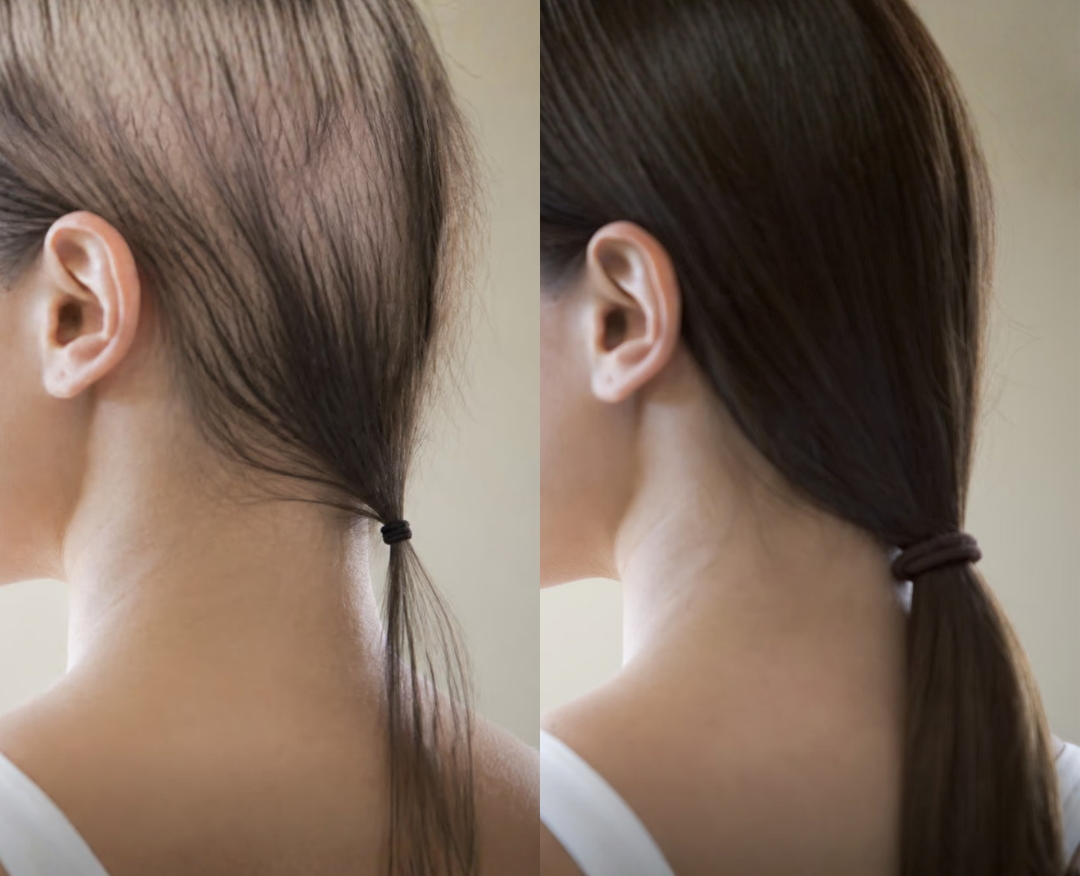
A patient came to see me a few years ago - 44, otherwise healthy, convinced she was losing her hair from stress. She'd been tracking it for almost a year: more in her brush, more in the shower, and her part visibly wider. She'd tried a biotin supplement, switched shampoos twice, and had been reassured by her GP that it was probably just anxiety. What she hadn't been told — what nobody had mentioned — was that she was in perimenopause, and that the hair loss and the hormonal shift were the same event.
She's not unusual. In my experience, most women who come in about perimenopausal hair loss have already spent 12 to 18 months attributing it to something else.
Perimenopause sets off a specific, multi-layered hormonal disruption that acts on hair follicles through at least three distinct biological mechanisms simultaneously — understanding those mechanisms changes what you do about it.
Hair thinning during perimenopause is consistently under-recognized — it's diffuse, gradual, and arrives alongside louder symptoms that dominate the clinical conversation. By the time most women connect the dots, the process has been running for a year or sometimes more.
What Perimenopause Does to the Hormonal Environment
Perimenopause is a transition period — typically beginning 4 to 10 years before the final menstrual period — characterized by progressive hormonal dysregulation rather than a clean decline. Understanding the sequence matters, because the hair follicle responds to each shift differently.
Progesterone falls first
The earliest perimenopausal change is a decline in progesterone, which begins in the late 30s to early 40s as ovarian reserve diminishes and ovulation becomes less reliable. This is relevant to hair because progesterone has weak anti-androgenic properties — it competes with dihydrotestosterone (DHT) at androgen receptors in the scalp. As progesterone falls, one layer of DHT buffering is quietly removed. Most women don't notice anything at this stage, but the hormonal balance shift has begun.
Estrogen becomes erratic, then declines
In early perimenopause, estrogen levels don't just fall — they become erratic, with months of elevated levels interspersed with months of low levels as the ovaries produce follicles inconsistently. This hormonal volatility is itself a big physiological stressor. Eventually, estrogen levels begin a sustained decline that accelerates in the 1–2 years around the final menstrual period and stabilizes (at roughly 10–15% of reproductive-age levels) in postmenopause.
Estrogen (17β-estradiol) does several things in the hair follicle that matter enormously for growth. It prolongs the anagen (growth) phase, upregulates insulin-like growth factor 1 (IGF-1) in the dermal papilla (a key anagen-promoting signal), and drives local aromatase activity in the scalp — the enzyme that converts androgens to estrogens, keeping DHT levels in the follicular microenvironment in check. (Ohnemus et al., 2006)
As estrogen falls, all three of those functions are impaired simultaneously.
Relative androgen excess: the balance shift
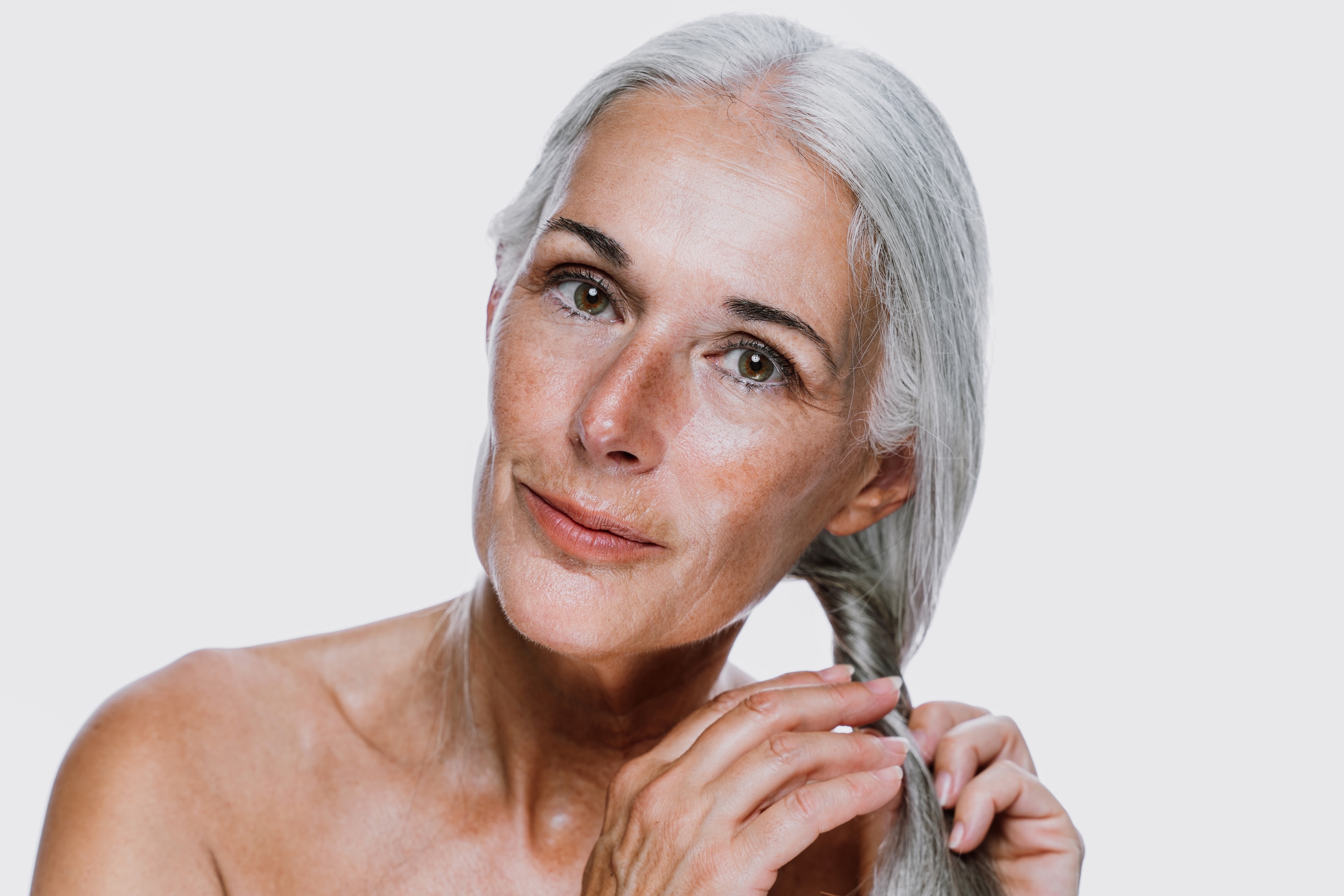
One of the most important concepts in perimenopausal hair loss is relative androgen excess — the idea that DHT sensitivity increases because estrogen — the hormonal counterweight that kept DHT in check — withdraws, shifting the balance toward androgen sensitivity even as absolute androgen levels remain unchanged. For women with genetic predisposition to androgenetic alopecia, this shift can trigger follicle miniaturization that was previously suppressed for decades.
FSH elevation: an emerging mechanism
As ovarian function declines, the pituitary sharply increases FSH output — producing some of the highest FSH levels of a woman's life. FSH receptors have been identified on tissues beyond the ovary, and a 2023 Nature study (Ji et al.) showed elevated FSH drives tissue changes via direct receptor signaling; whether scalp follicles are similarly affected is still being studied.
The Three Simultaneous Mechanisms
What makes perimenopausal hair loss particularly confusing — and particularly difficult to treat with a single intervention — is that it operates through three biologically distinct processes at the same time. Most standard approaches address one of these processes — which is why single-mechanism treatments so often underperform in this population.
1. Androgenetic acceleration (follicle miniaturization)
Female pattern hair loss (FPHL) affects up to 40% of women by age 70 and is markedly more common after menopause. The pattern — diffuse crown thinning with frontal hairline preservation — reflects the distribution of androgen-sensitive follicles in the female scalp. The estrogen decline of perimenopause unmasks this sensitivity by removing the aromatase activity that was limiting DHT at the follicle level.
Miniaturization is a progressive process: each successive hair cycle produces a shorter, thinner, less pigmented hair, until the follicle eventually produces only a fine vellus hair. Once established, miniaturization advances with each successive cycle — which is the clinical case for intervening early.
2. Telogen effluvium — chronic-intermittent pattern
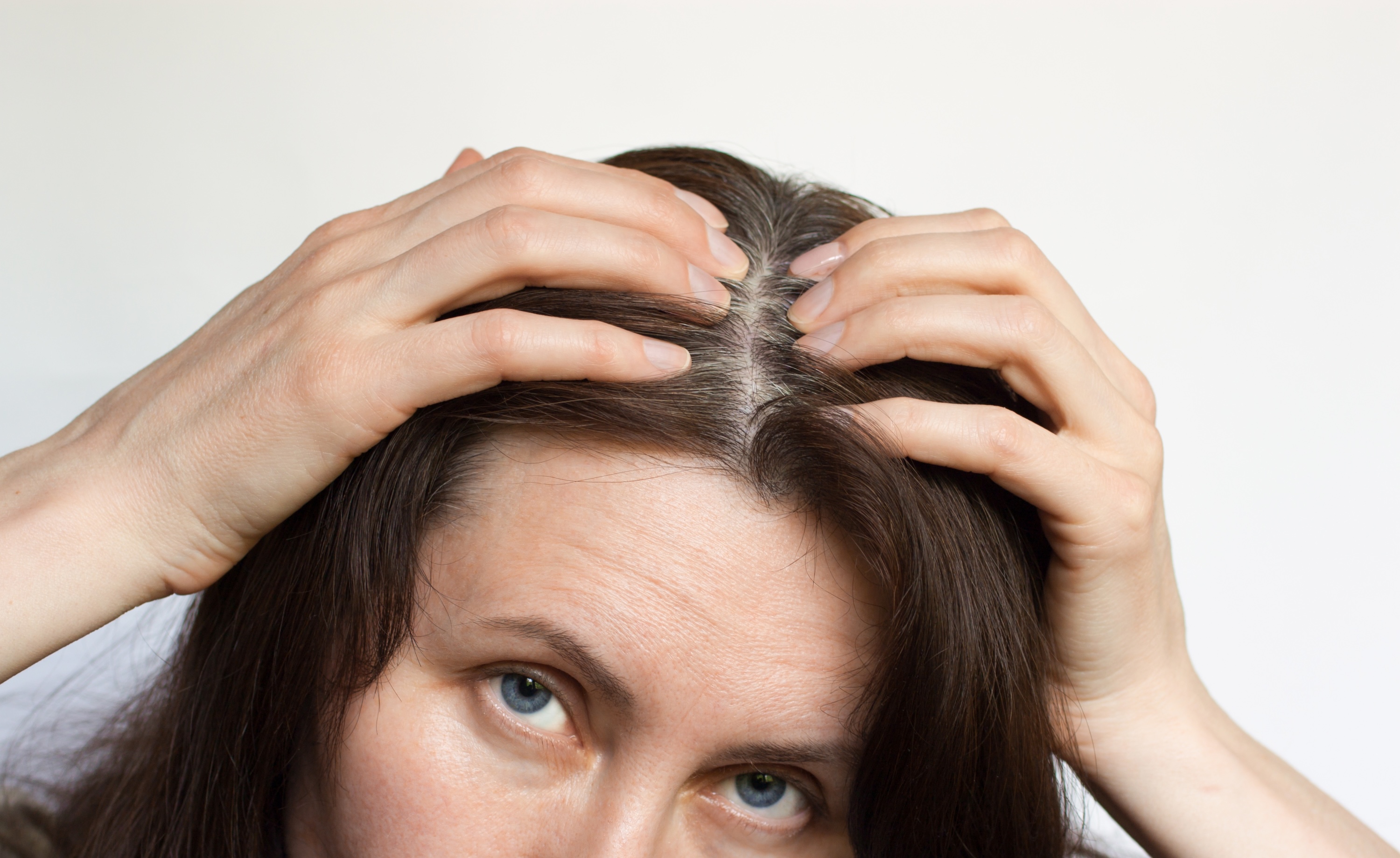
Separate from androgenetic miniaturization, the hormonal volatility of perimenopause is itself a systemic physiological stressor capable of triggering telogen effluvium — a stress-induced shift of follicles out of the active growth (anagen) phase into the resting (telogen) phase, followed by synchronized shedding approximately 2–3 months later. (Malkud, 2015)
Unlike the acute TE seen after surgery or crash dieting, perimenopausal TE tends to be chronic-intermittent — the hormonal environment remains unstable for years, repeatedly resetting the trigger. Women often describe months of noticeable shedding, relative stability, then another episode. The net effect is sustained density loss over time rather than a single recoverable event.
TE and FPHL are not mutually exclusive — many perimenopausal women have both simultaneously. TE produces diffuse, non-patterned shedding; FPHL produces patterned miniaturization at the crown. The combination makes the pattern difficult to read, and is one reason women often feel they're losing "everywhere" rather than in a localized pattern.
3. Estrogen receptor loss within the follicle
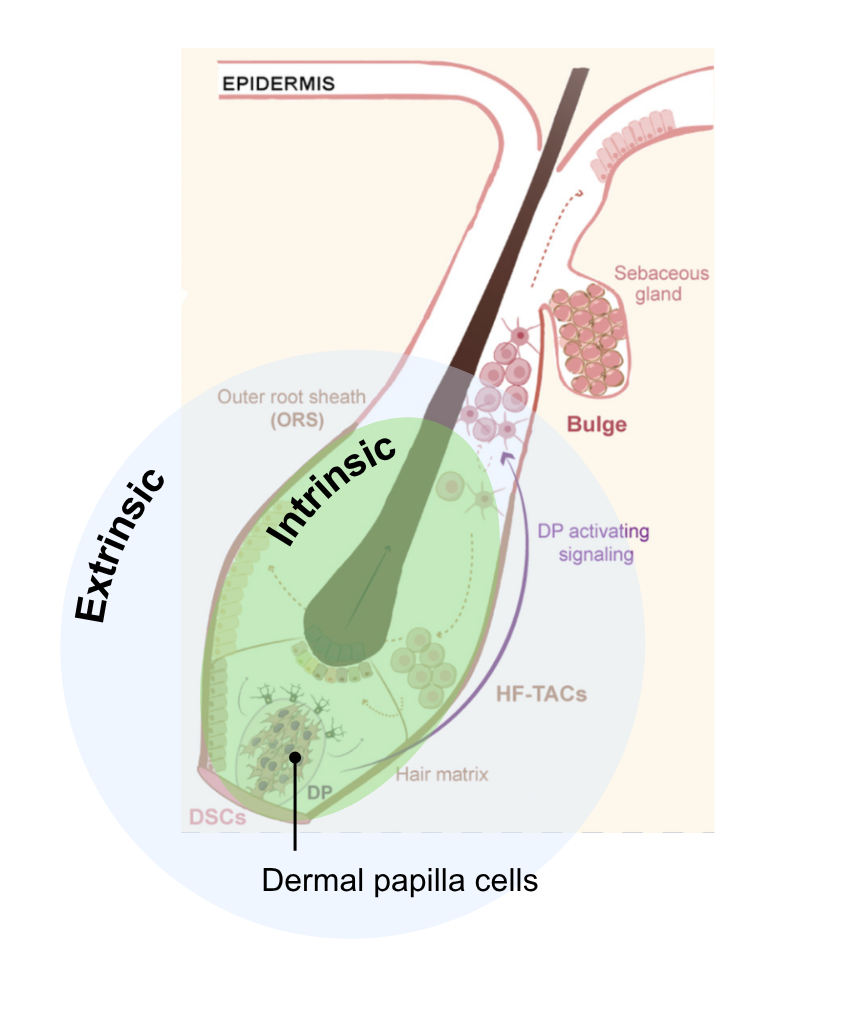
The third mechanism is the most underappreciated. Hair follicles express estrogen receptors — specifically ER-α and ER-β — in the dermal papilla, the outer root sheath, and the follicular matrix. These receptors translate circulating estrogen levels into growth-cycle signals at the cellular level.
Estrogen signaling via ER-α prolongs anagen, suppresses TGF-β2 (a catagen inducer), and maintains dermal papilla cell proliferation. (Ohnemus et al., 2006) As estrogen declines, those signals attenuate: hair grows for less time, comes in finer, and the follicle struggles to complete a full recovery cycle — independently of DHT, which is why DHT-blocking drugs leave this mechanism untouched.

The Blood Flow Angle
Each actively growing follicle is fed by a dense microvascular network around the dermal papilla — follicles need consistent oxygen and nutrient delivery to sustain the metabolic demands of active shaft production. Disruptions to that supply translate directly into impaired growth.
Vasomotor instability — the same mechanism behind hot flashes — involves episodic peripheral vasodilation that can temporarily alter regional blood flow patterns. Over years of perimenopause, this instability means the scalp's microcirculation is never quite as consistently maintained as it was during reproductive years, compounding the nutrient-delivery problem on top of the hormonal one.
The Compounding Problem
Several co-factors common in this population compound the hormonal drivers — and unlike the hormonal shift itself, they're all correctable.
Iron depletion
Perimenopausal women are often still menstruating — but irregularly, and sometimes more heavily than before. Heavy or irregular cycles accelerate iron depletion even as dietary habits remain unchanged. Iron is a critical cofactor in follicle cell metabolism, and low ferritin is one of the most common correctable causes of telogen effluvium in women — serum ferritin below 30 μg/L has been associated with shedding even without frank anemia. (Kantor et al., 2003)
Thyroid shifts
Hashimoto's thyroiditis and subclinical hypothyroidism both rise sharply in women in their 40s and 50s. Even subclinical hypothyroidism — elevated TSH with T4 still "normal" — can contribute meaningfully to shedding, and because the symptoms overlap so closely with perimenopause itself, it often goes untested.
Vitamin D deficiency
Vitamin D receptors are expressed in the follicle bulge, a region critical for stem cell activity, and deficiency is common in this age group. The association with hair loss is consistent across observational studies; correcting it is low-risk and worth doing regardless.
The clinical significance of these co-factors is that they are all modifiable. Correcting iron, thyroid, and vitamin D status won't reverse androgenetic miniaturization or restore estrogen signaling, but leaving them unaddressed ensures the hormonal drivers operate at full severity. Blood work is a reasonable first step before any topical intervention.
Why Standard Approaches Fall Short
Understanding the multi-mechanism biology above makes it easier to see why the usual recommendations are incomplete.
Biotin and "hair supplements"
Biotin supplementation works for hair loss caused by biotin deficiency, which is uncommon in otherwise healthy adults. In the absence of a documented deficiency, it doesn't meaningfully affect the hair cycle. The broader "hair supplement" category — biotin paired with zinc, silica, amino acids — addresses raw material supply. That's not the problem here.
Minoxidil
Minoxidil is a legitimate treatment for androgenetic alopecia in women — it has FDA approval for 2% topical use and strong evidence across multiple randomized trials. Its mechanism (vasodilation, anagen prolongation) addresses the perfusion layer and partially counteracts the growth-phase shortening driven by estrogen receptor loss. For some perimenopausal women, it is a reasonable part of the picture.
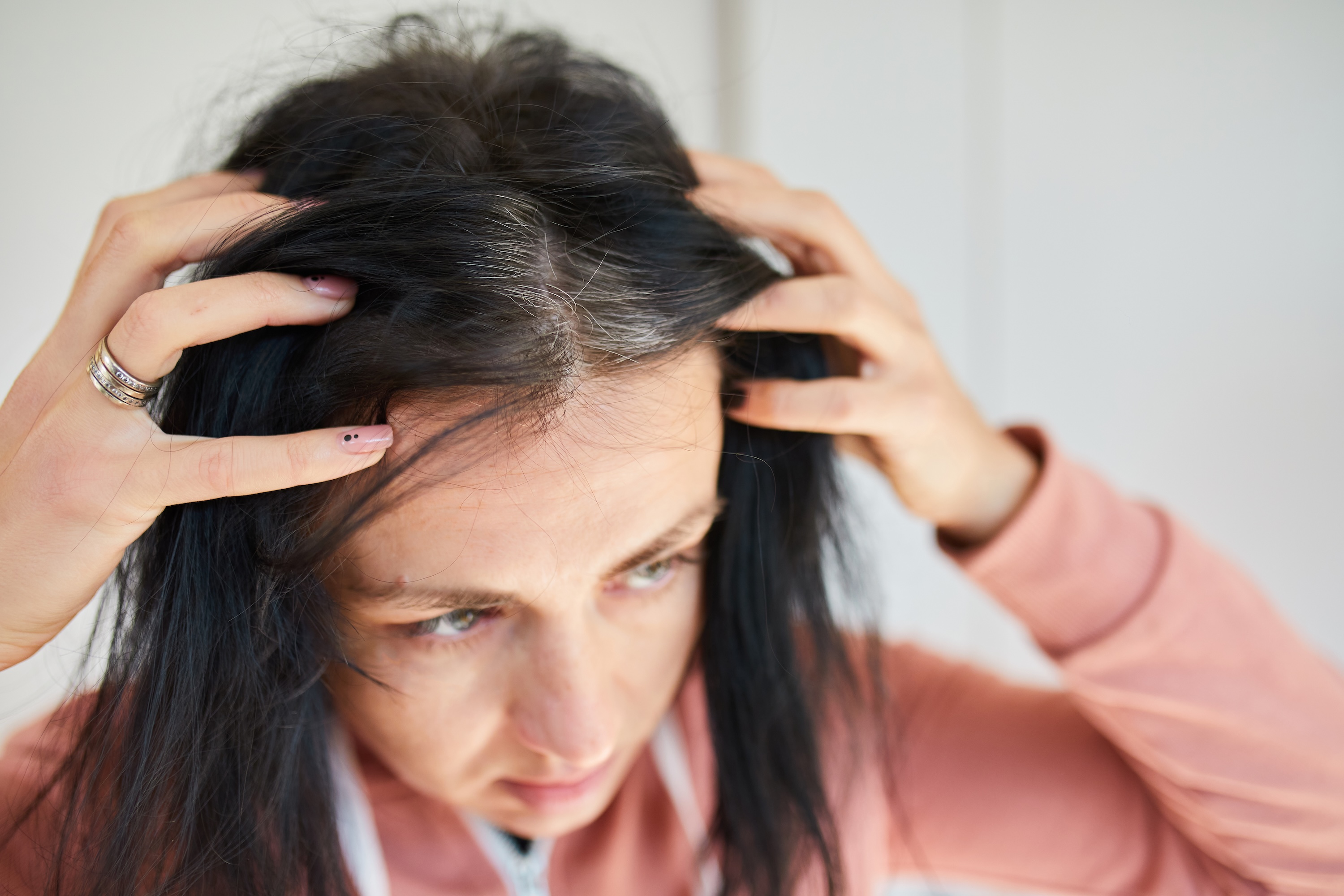
The complications are specific. First, minoxidil produces an initial shedding phase in the first 2–6 weeks as it forces resting follicles out of telogen simultaneously. For a woman already alarmed by hair loss and in the middle of perimenopausal TE, this initial shed can be psychologically difficult to tolerate and leads to high discontinuation rates. Second, and more fundamentally, minoxidil does not address the hormonal root — leaving estrogen receptor loss, DHT-mediated miniaturization, and the nutritional co-factors entirely unaddressed. Results require indefinite use; stopping reverses the benefit. It is an adjunct, not a mechanism-matched treatment.
Standard "women's hair" topicals
Most consumer hair serums and tonics in this category rely on caffeine, panthenol, niacinamide, botanical extracts, or peptides. Some of these ingredients have plausible preclinical mechanisms; almost none have been tested in randomized trials against placebo or an active comparator in perimenopausal women specifically. The gap between in-vitro cell culture data and clinical efficacy is large, and a formula that stimulates dermal papilla cells in a petri dish does not necessarily do the same on a living scalp.
The Follicle-Biology Layer
Once correctable deficiencies are addressed and hormonal options have been discussed with a clinician, there's a remaining layer: the follicle's own growth machinery. The traditional options here — minoxidil via blood flow, finasteride/dutasteride via systemic androgen suppression — work indirectly and carry meaningful tradeoffs in women. What's been missing is something that targets the dermal papilla and scalp environment directly, without hormonal effects or a shedding-phase reset.
What This Looks Like in Practice
The one candidate I'm aware of with actual clinical data behind it is the NOVOGRO™ complex used in RE:YOU, described in a 2026 bioRxiv preprint (Qu et al., 2026). The three active molecules split across the two follicle layers described above: NOVOGRO™-623 and NOVOGRO™-624 act on the dermal papilla cells — the signaling center whose function is impaired by estrogen receptor loss — while NOVOGRO™-273 targets the scalp microenvironment, the perivascular context that becomes inconsistently perfused during the vasomotor instability of perimenopause.
The trial enrolled 190 women in a double-blind, randomized, minoxidil-benchmarked design, with shedding measured by standardized comb-count. Interim 3-month results: 58% mean reduction in measured shedding, 26% greater than the minoxidil arm. The full methodology is on RE:YOU's science page; the 6-month readout is pending.
What to Expect: A Realistic Timeline
The process unfolds in distinct phases, each requiring a different intervention on a different timeframe.
Before starting anything topical, get bloodwork: serum ferritin (target >70 μg/L, not just "normal"), TSH, vitamin D, and androgens if patterned loss is suspected. Correct deficiencies first — they amplify everything. Start a clinician conversation about HRT if appropriate.
Once deficiencies are being corrected, add follicle-targeted topical support. TE typically peaks 2–4 months after the triggering stressor — this is the window to get ahead of it. RE:YOU can run in parallel with HRT or nutritional work; it addresses the follicle layer directly, which neither addresses.
The first visible signs of stabilization or improvement: new baby hairs at the hairline, reduced daily shedding count, thicker feel to existing hair. RE:YOU's interim clinical data shows measurable density improvement by month 3 — meaningful progress, given that a single hair cycle spans two to six months.
With underlying triggers addressed and follicle-level support in place, this is where visible density recovery becomes meaningful. Established androgenetic miniaturization won't reverse, but progression slows significantly. The TE component typically resolves as hormonal stabilization occurs. Persistent severe shedding at 12 months warrants a dermatology evaluation for other causes.
Frequently Asked Questions
Is this just normal aging, or is there something I can actually do about it?
Perimenopausal hair loss has specific, identifiable biological mechanisms — hormonal, follicular, and nutritional — each of which is addressable to some degree. Androgenetic miniaturization, once established, is difficult to reverse fully, but its progression can be meaningfully slowed. The TE component typically stabilizes once the hormonal environment settles. Correctable co-factors (iron, thyroid, vitamin D) should always be checked and addressed first — they're frequently the difference between mild and severe hair loss in this population.
Will my hair grow back?
Depends on the mechanism. TE-driven loss typically recovers once the trigger resolves — though full density return takes 9–12 months. Androgenetic miniaturization is harder: early-stage follicles can still respond to treatment, but a follicle that's been miniaturizing for years is unlikely to fully recover. Earlier is better.
Should I try HRT for my hair?
HRT addresses the root cause more directly than any topical — it restores estrogen signaling at the follicle level. The evidence for it stabilizing FPHL and reducing perimenopausal TE is supportive, though not from large dedicated hair-loss trials. It's not a purely hair-focused decision; that conversation belongs with your clinician.
Why not just use minoxidil?
Minoxidil is a legitimate option with genuine evidence behind it — it's FDA-approved for female androgenetic alopecia and works via vasodilation and anagen prolongation. The main caveats in a perimenopausal context: it causes an initial shedding phase in the first several weeks as it forces resting follicles out of telogen simultaneously, which is psychologically difficult for women already alarmed by accelerating loss. It also doesn't address the hormonal drivers (estrogen receptor loss, DHT imbalance), requires indefinite use to maintain benefit, and can cause scalp irritation. It's a reasonable adjunct — but not a mechanism-matched treatment for the full perimenopausal picture.
Is RE:YOU hormonal? Is it safe to use alongside HRT?
No. The RE:YOU formula is non-hormonal — its active molecules (NOVOGRO™-623/624 and NOVOGRO™-273) target the dermal papilla and scalp environment through growth-factor and cellular signaling pathways that act directly at the follicle, leaving systemic hormone levels unchanged. There are no known interactions with HRT. As with any topical, individual reactions are possible — patch test if you have a sensitive scalp.
What bloodwork should I ask my doctor about?
At minimum: serum ferritin (not just hemoglobin — target >70 μg/L for hair health, not just the lower "normal" threshold), TSH (and free T4/T3 if TSH is borderline), 25-hydroxyvitamin D, and a complete blood count. If the pattern suggests androgenetic involvement — thinning specifically at the crown, widening part, positive family history — free and total testosterone plus DHEA-S are worth testing to rule out other androgen-excess causes. These are standard labs; any GP or gynecologist can order them.
Can I use an at-home hormone test to find out if perimenopause is causing my hair loss?
At-home FSH and estrogen kits are widely marketed, but they're poorly suited to answering this question — and here's why. Perimenopause is defined by variable hormone levels, not a threshold you cross once. FSH and estradiol fluctuate dramatically from cycle to cycle: a test taken during a high-estrogen week can read entirely normal, while the same woman tested two weeks later might show postmenopausal-range FSH. A single snapshot, whether from a home kit or a lab draw, doesn't capture that variability.
The diagnosis of perimenopause is primarily clinical — based on age, symptom pattern, and cycle changes over months — rather than biochemical. A "normal" result can coexist with perimenopausal hair loss; a "high FSH" result establishes hormonal flux but says nothing about whether perimenopause is what's driving the shedding. What's more useful: track your cycle changes, symptom pattern, and shedding over several months and bring that picture to a clinician who can order repeat labs and interpret them in context.
Further Reading on marketingorscience.com
Hair Loss Treatments in Women vs. Men: What the Evidence Actually Shows
Minoxidil, finasteride, and spironolactone are all used for androgenetic alopecia — but the evidence base differs substantially by sex.
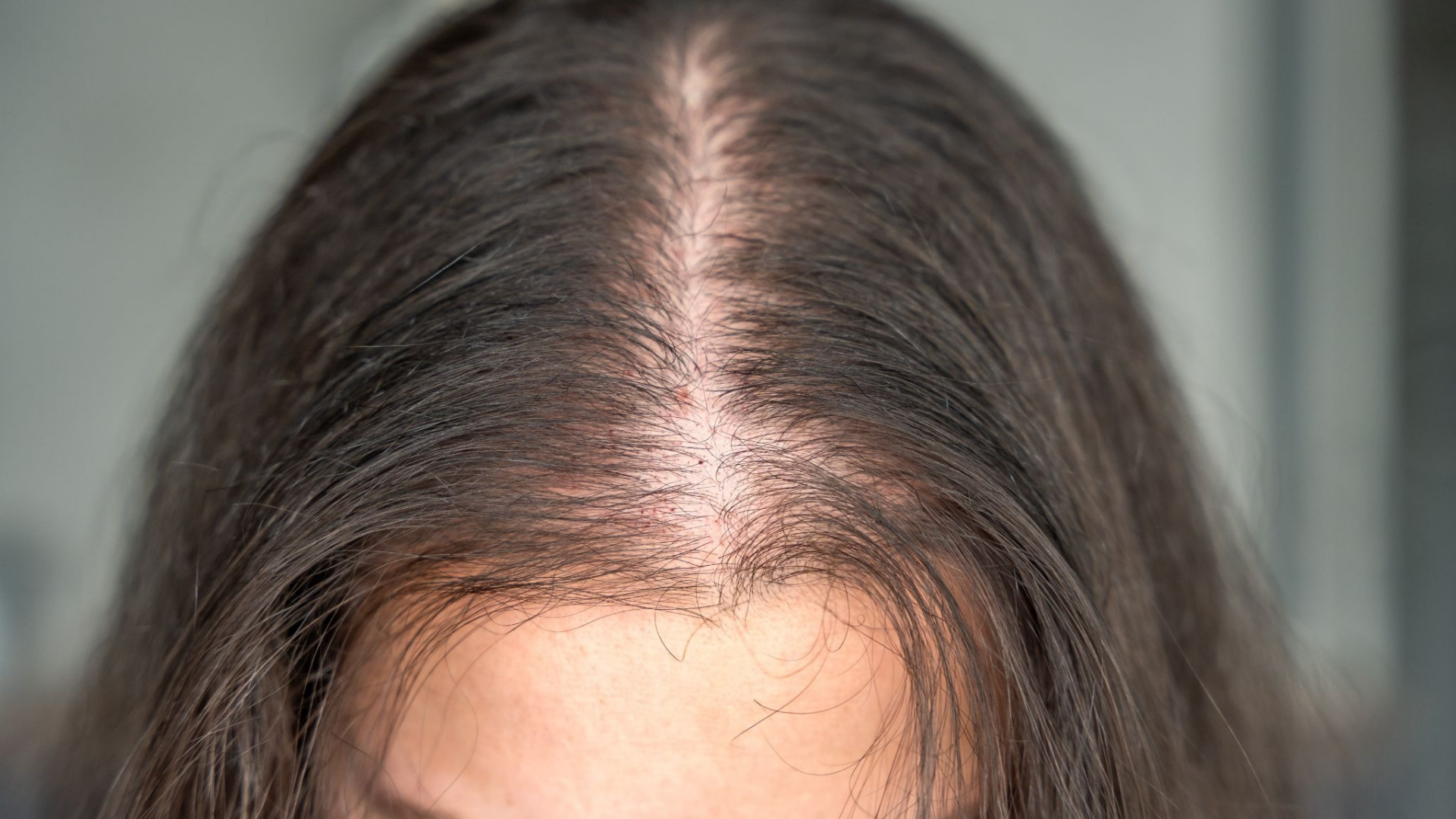
Minoxidil vs. NOVOGRO™: Legacy vs. the Future?
Minoxidil has been the topical hair loss standard for 40 years. NOVOGRO™ targets dermal papilla cells directly. A review of the mechanism difference and whether the science justifies the narrative.
Telogen Effluvium: What Actually Treats Stress-Induced Shedding
The mechanism behind rapid, diffuse shedding — and the interventions with real evidence behind them.
References & Further Reading
- Ohnemus, U., Uenalan, M., Inzunza, J., Gustafsson, J. A., & Paus, R. (2006). The hair follicle as an estrogen target and source. Journal of Investigative Dermatology, 126(6), 1126–1134. DOI.
- Birch, M. P., Messenger, J. F., & Messenger, A. G. (2002). Hair density, hair diameter and the prevalence of female pattern hair loss. British Journal of Dermatology, 147(6), 1107–1113. DOI.
- Vary, J. C. Jr. (2015). Selected disorders of skin appendages — acne, alopecia, hyperhidrosis. Medical Clinics of North America, 99(6), 1195–1211. PubMed.
- Ji, H., et al. (2023). FSH signalling on liver, fat and bone. Nature, 606, 110–118. DOI. (Emerging context for FSH receptor signalling beyond the ovary.)
- Kantor, J., Kessler, L. J., Brooks, D. G., & Cotsarelis, G. (2003). Decreased serum ferritin is associated with alopecia in women. Journal of Investigative Dermatology, 121(5), 985–988. DOI.
- Malkud, S. (2015). Telogen Effluvium: A Review. Journal of Clinical and Diagnostic Research, 9(9), WE01–WE03. DOI.
- Guo, E. L., & Katta, R. (2017). Diet and hair loss: effects of nutrient deficiency and supplement use. Dermatology Practical & Conceptual, 7(1), 1–10. PMC.
- Price, V. H. (2003). Treatment of hair loss. New England Journal of Medicine, 341(13), 964–973. DOI.
- Messenger, A. G., & Rundegren, J. (2004). Minoxidil: mechanisms of action on hair growth. British Journal of Dermatology, 150(2), 186–194. DOI.
- Qu, Z., Li, Y., Cho, S. E., et al. (2026). AI-enabled discovery of small molecules targeting complementary pathways for hair follicle rejuvenation. bioRxiv, 2026.06.09.728282. Preprint.
- RE:YOU. (2026). Science: NOVOGRO™ Technology and Clinical Study, including interim clinical trial results.
- American Thyroid Association. Hashimoto's Thyroiditis. Patient information page.