For decades, dermatologists have observed patients invest heavily in hair loss solutions that deliver minimal to zero measurable benefit. Independent clinical trials have revealed that the vast majority of non-prescription solutions lack sufficient active concentrations, proper delivery systems, or sufficient evidence from properly controlled human clinical studies. Many rely on ingredients with weak or contradictory data, resulting in changes indistinguishable from placebo on standardized scalp evaluations.
Recently, our team covered a new brand (RE:YOU) taking a completely new philosophy - instead of repackaging the same mediocre ingredients, a team of top researchers trained at Caltech, Princeton, Harvard, and Northwestern asked: can modern biotechnology be leveraged to discover new ingredients that tackle multiple failure modes in hair thinning? The result of their research was NOVOGRO™. Before we examine how NOVOGRO™ stacks up against Nutrafol, let's examine Nutrafol's history for the complete picture.
The history of Nutrafol
In the last decade, Nutrafol has built an empire. It is built on a simple (and deceptive, as we later find out) promise: a daily capsule of common botanicals will address the “root causes” of hair thinning and deliver exceptional results - visibly more and thicker hair. Nutrafol's timing was rather auspicious. They arrived as consumers were becoming increasingly suspicious of traditional drugs while simultaneously becoming obsessed with “natural” wellness solutions.
Nutrafol was founded in 2014 by Giorgos Tsetis, a former model, and Roland Peralta, two friends who both experienced hair thinning around the same time. Neither background, and were big advocates of holistic, botanical-based wellness ingredients and products that have been associated with dubious “snake-oil” products in the past.
This is red flag #1.
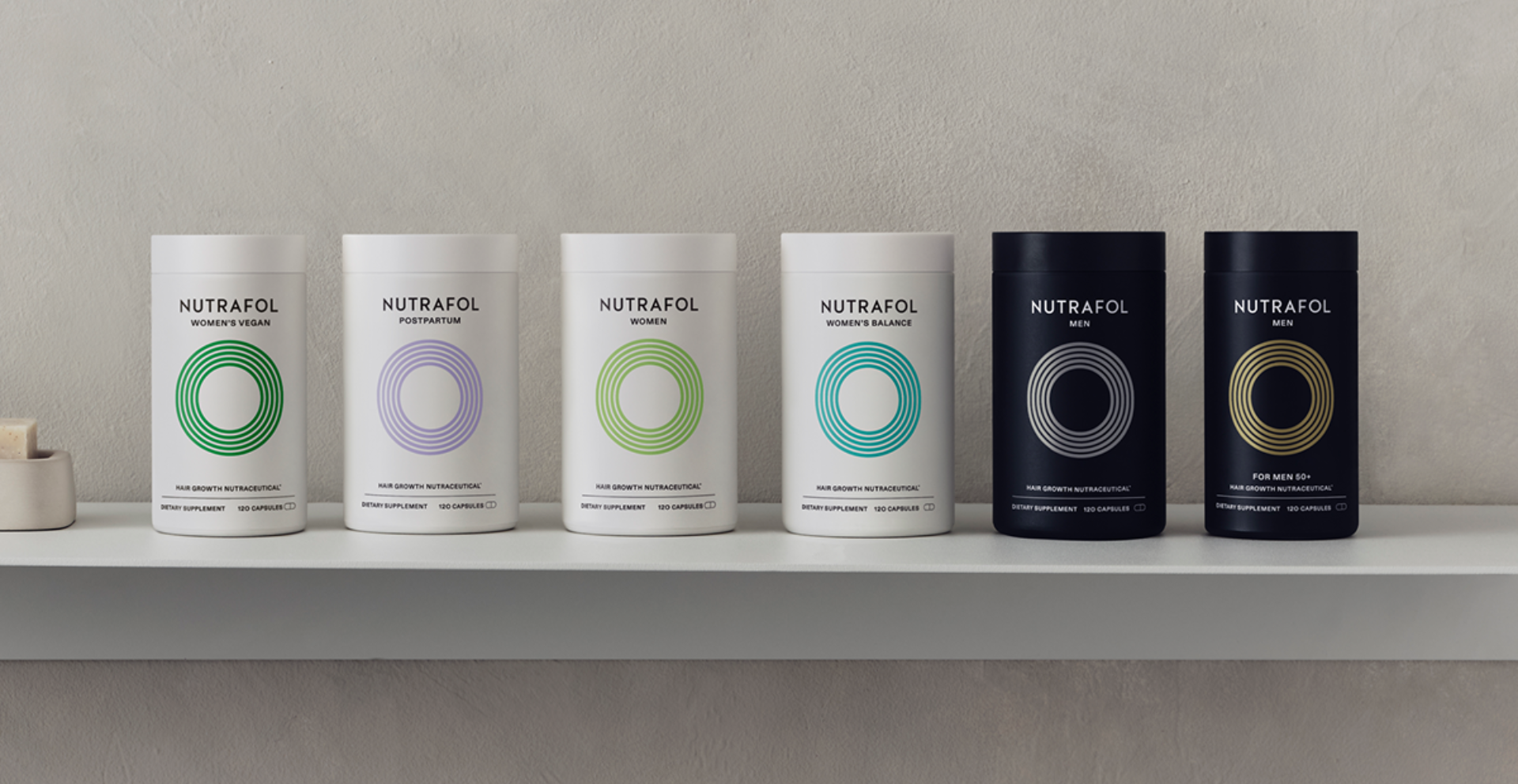
What makes Nutrafol an interesting case study is that the company has, to its credit, run randomized placebo-controlled trials, which is more than most supplement makers do (at the time of their founding). However, the story begins to change when we examine what those trials actually demonstrate and what Nutrafol's marketing implies. The gap becomes wide enough that the product has been the subject of regulatory complaints and a series of class-action lawsuits.
Early on in Nutrafol's history, they were taken over by private equity firm L Catterton that quickly tried to optimize for profits to sell to another company. In 2022, Unilever purchased a majority stake for just shy of $1B, and propelled its broader global expansion, but in the last 10+ years, the ingredients and formulas have not evolved or changed. In many ways, Nutrafol may be less a breakthrough in hair science and more a masterclass in how modern wellness marketing can keep repackaging the same familiar ingredients as “premium biotechnology” year after year.
Red flag #2.
A master of deceptive marketing practices
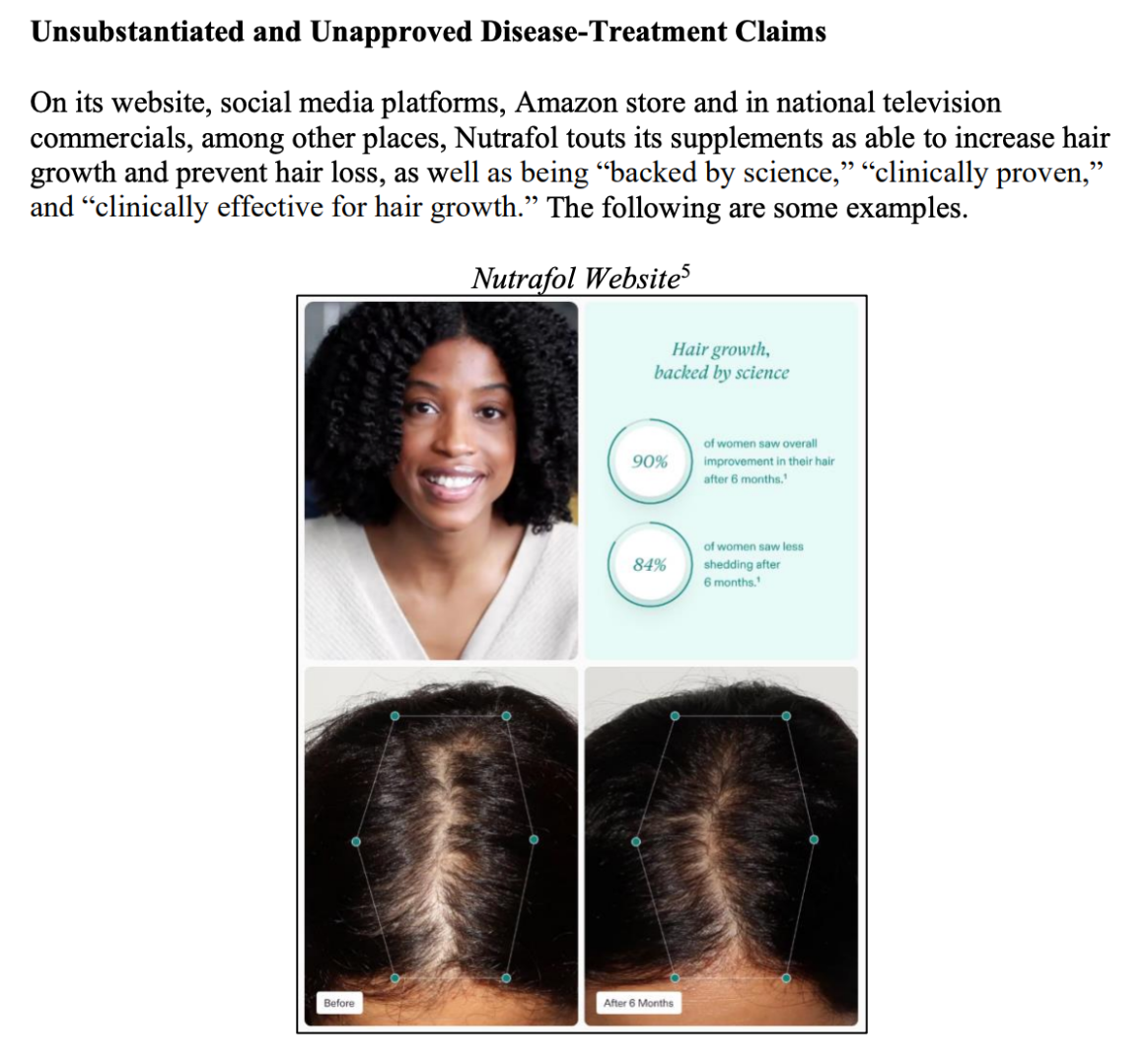
Nutrafol's promotional language is meticulously crafted. Across its website, social media, and television spots, the products are described as “clinically proven,” “medical-grade,” “physician-formulated,” and “standardized.” The brand says its supplements address the “six root causes” of hair thinning, including hormones, stress, nutrition, metabolism, aging, and lifestyle. Particular formulations target women, menopausal women (“Women's Balance”), postpartum women, and men, each with extremely subtle variations on the same theme.
Under the Federal Food, Drug, and Cosmetic Act, any product marketed to diagnose, treat, or prevent disease is, by definition, a drug. Nutrafol is sold as a dietary supplement, which means it is permitted to make general “structure/function” claims (“supports healthy hair”) but not disease-treatment claims (“grows hair,” “treats hair loss,” “balances hormones”). The advertising watchdog Truth in Advertising (TINA.org) catalogued more than 100 health claims across Nutrafol's marketing channels and, in April 2023, filed a formal complaint with both the FTC and FDA, asking the agencies to investigate.
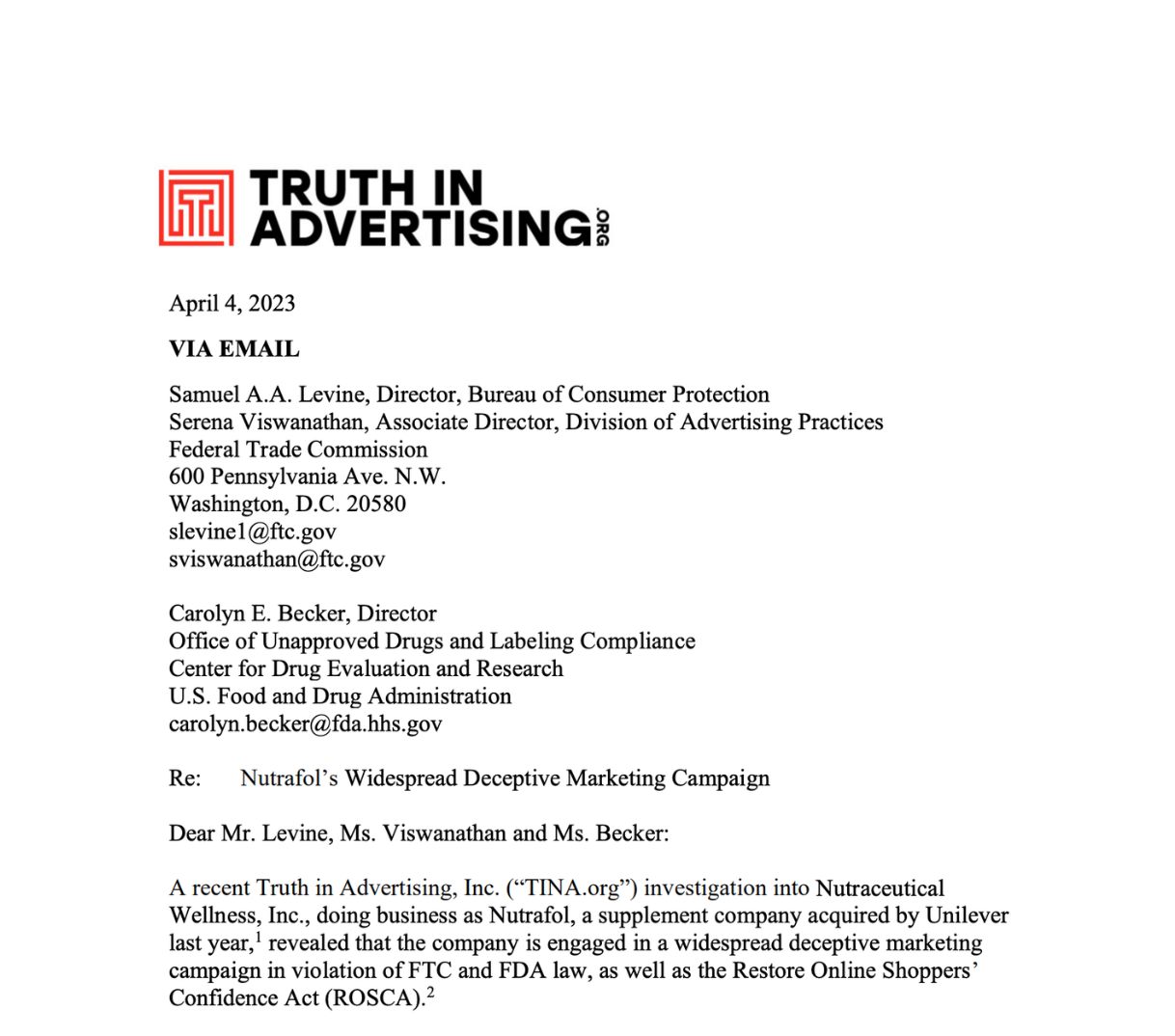
TINA.org's specific objection was that Nutrafol blurs the line between a supplement and a drug, that its “clinically-proven” claims consistently overstated the underlying evidence. The number of red flags only pile up one after another.
Inside the clinical studies and the lawsuits
Nutrafol's strongest defense against the watchdog and lawsuit allegations is its clinical trial portfolio. The company conducted several randomized, double-blind, placebo-controlled studies (RCTs), the most cited of which is a 2018 trial of Nutrafol Women published in the Journal of Drugs in Dermatology, with subsequent trials covering the men's, postpartum, and menopause-targeted formulations. On the surface, this is the right approach. RCTs are the gold standard. The problem lies in the details. The pivotal 2018 women's study enrolled only 40 participants, with 26 in the active group and 14 in the placebo group. That is, however, a small trial by any standard, and dermatology research typically requires substantially larger cohorts to draw confident conclusions about something as variable as hair growth. The class-action complaints emphasize this point bluntly, arguing that with so few subjects the trial cannot reliably establish a causal relationship between the supplement and hair growth.
Inclusion and exclusion criteria also deserve close attention. The studies specifically excluded subjects with diagnosable hair-loss disorders, the very population most likely to be drawn in by advertising. They also excluded people who reported high stress or had recently experienced a stressful life event, even though Nutrafol's marketing prominently positions stress as a key driver of hair loss that the product is designed to address. The trials enrolled participants with self-perceived thinning rather than clinically diagnosed alopecia, a group whose hair changes are more likely to reflect nutritional or lifestyle factors that a multivitamin-and-botanical blend would predictably help with. Combined with concerns about baseline imbalance between treatment and placebo arms, narrow demographic representation, reliance on easily-inflated self-assessment endpoints, and reported liver toxicity - the final picture is that of a trial program designed less to test whether the product actually treats hair loss than to maximize the chance of a favorable result in the population most likely to show one.
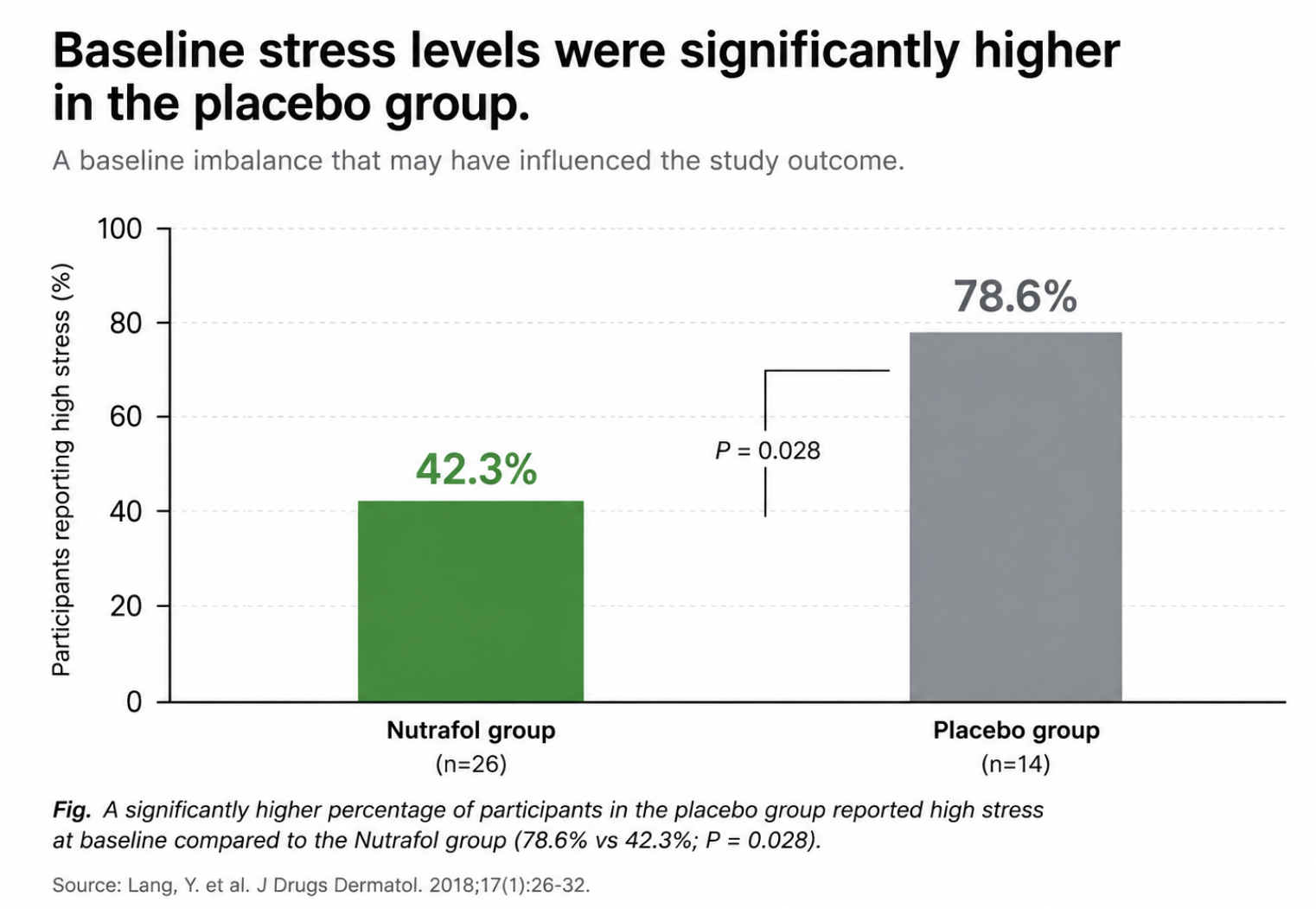
“The 2 groups did not demonstrate any significant differences in lifestyle attributes or baseline mental attitude qualities except for a higher level of stress among subjects in the placebo group (42.3% vs 78.6%; P equals 0.028)”
Indeed, one of the more pointed critiques in the proposed class action complaints is that the second clinical trial, when it appeared, did not show the dramatic effects the marketing implies, and that some of Nutrafol's own data suggest the products are not meaningfully more effective than placebo on certain endpoints on certain endpoints. A separate class action that was filed against Sephora (as a retailer of Nutrafol), alleged that independent laboratory testing of Nutrafol samples from different lots reportedly revealed inconsistent and underfilled quantities of certain labeled ingredients, such as vitamin A, biotin, and vitamin E. If those allegations hold up, they raise questions not only about marketing but also about manufacturing quality control.
As of this writing, these cases are still working their way through the courts. The central legal question is whether a sophisticated supplement company, now backed by Unilever, can continue to use language like “clinically proven” and “medical-grade” when the underlying clinical evidence is small, biased, and poorly designed.
The Claim
Nutrafol claims to be the #1 dermatologist-recommended hair growth supplement brand, backed by 20+ clinical studies and peer-reviewed publications. They claim that 90% of women saw overall hair improvement and 84% saw less shedding after 6 months - with results attributed to a physician-formulated, whole-body 'nutraceutical' approach targeting the root causes of thinning.
(Composite representative claim; reflecting Nutrafol's positioning on their website and marketing communications)
What the evidence actually shows
Nutrafol's “patented complex” (Synergen Complex®) sounds complicated, but is, in reality, a simple mix of plant-based products. When we strip away the marketing language, we can break down each key ingredient in a Nutrafol capsule:
- Saw palmetto. Saw palmetto extract is the ingredient most often credited with Nutrafol's mechanistic plausibility, which is transparently extremely disappointing. In vitro studies suggest that it may be able to inhibit 5-alpha reductase, the enzyme that converts testosterone to dihydrotestosterone (DHT), but the data is weak.
- Ashwagandha. Sensoril® ashwagandha is included as an adaptogen, on the theory that lowering cortisol can mitigate stress-induced telogen effluvium. They use “ashwagandha exosomes” in their hair serum as well. There is some limited evidence that ashwagandha reduces measured cortisol and self-reported stress in healthy adults. But the evidence that it directly improves hair growth is simply non-existent.
- Marine collagen peptides. Hydrolyzed marine collagen is marketed as being the provider of amino acids needed to build keratin. In practice, ingested collagen is broken down into its constituent amino acids in the gut, the same as any other protein, and there is no evidence that consuming collagen specifically, on top of adequate dietary protein generally, can cause hair growth.
- Curcumin, tocotrienols, and biotin. Curcumin (BCM-95®) and a tocotrienol/ tocopherol complex are included for their antioxidant and anti-inflammatory properties. There is one small study suggesting tocotrienols may improve hair count in volunteers with mild hair loss, but it has not been replicated at scale. Biotin, present in modest doses, only meaningfully improves hair growth in people with a true deficiency, which is rare in the developed world.
- The remaining ingredients (kelp, resveratrol, hyaluronic acid, capsicum, piperine, keratin; the “Nutrafol® Blend”) are present at doses that have minimal independent evidence for hair regrowth, and a 2024 case report attributed drug-induced liver injury in a woman to five months of daily Nutrafol use, with the authors specifically flagging curcumin, ashwagandha, and horsetail as plausible contributors.
According to our manufacturing consultants, all of these ingredients are commonly available and are used by nearly every other beauty and supplement company. Unfortunately, this strategy of using patented mixtures of available ingredients is a common marketing trick that many brands, including Vegamour and KilgourMD, use to position themselves as science-forward. Nutrafol is a company that consistently uses elaborate trademarked names to emphasize that they have technology when in reality, it is just repackaged plant products. As one redditor put it, “this company is a well marketed potential scam”.
NOVOGRO™: A superior alternative?
After speaking to dozens of dermatologists, they told us that the main challenge in the hair thinning and hair loss space is that there hasn't been much innovation in over 10 years, despite the many strides that have been made in scientific research.
RE:YOU and their innovative NOVOGRO™ molecules were described in a preprint outlining the discovery of new ingredients that targeted multiple underlying causes of hair thinning. We could not find any other manufacturer of these ingredients so we assume that RE:YOU holds the IP covering these ingredients and is therefore the only brand that manufactures them.
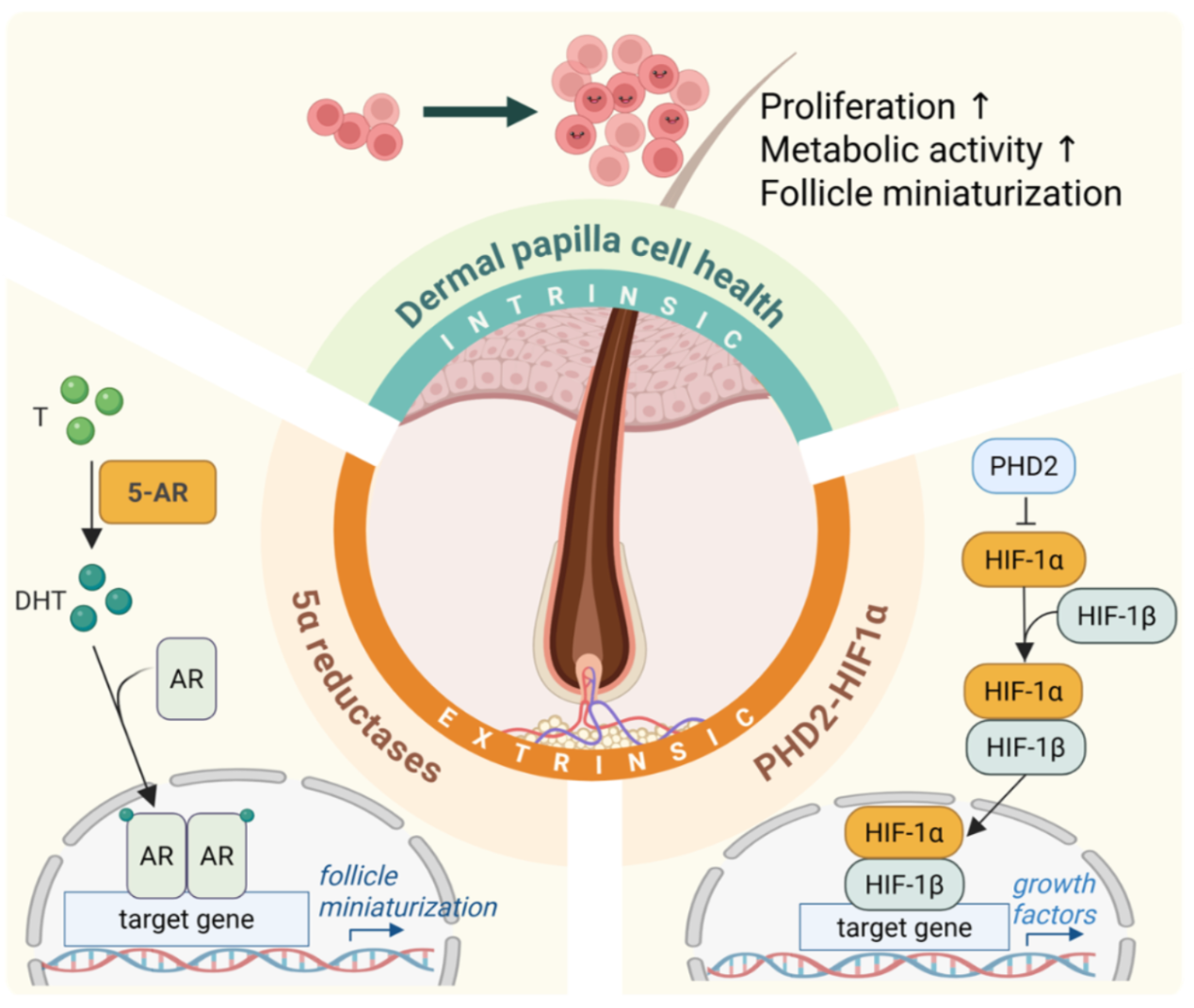
The Marketing or Science team reached out to the research group who published the study to learn about their research in depth. In addition to discovering the new ingredients, they were specifically optimized for topical delivery to the scalp in their hair revival serum. Most impressively, the serum is backed by a 190 women, double-blind, randomized controlled trial (RCT) - this is among the highest N we've seen for clinical trials in this category. The interim clinical results are excellent and they break down their clinical data here.
Interim Clinical Results (90 Days)
RE:YOU has published complete interim 90-day results from its randomized, double-blind trial of the RE:YOU Dual-Path Hair Revival Serum (NOVOGRO™-623, -624, and -273) against topical minoxidil. The study enrolled 190 women aged 35–70 with mild to moderate female pattern hair loss (Ludwig I-3 to II-2) and was run by Eurofins across multiple sites.
- Hair count and density: 50% greater hair counts and 50% greater hair density than the minoxidil group, measured by digital phototrichogram.
- Shedding: average shedding fell 56% on a standardized comb test, 44% better than minoxidil; 97% of RE:YOU participants showed reduced shedding.
- Self-reported: 89% reported improved appearance, 89% slowed hair loss, 86% fewer hairs in the shower, and 84% stronger hair with less breakage.
- Safety: no adverse events identified to date.

In their preprint, the RE:YOU scientists generated miniature versions of human hair follicles that behave much like the real ones in our scalp. These 3D “follicles-in-a-dish” naturally grow and organize themselves into structures that look and act like early-stage hair follicles. This allowed them to model how hair forms, grows, and responds to different biological signals in a way that's much closer to real human biology.
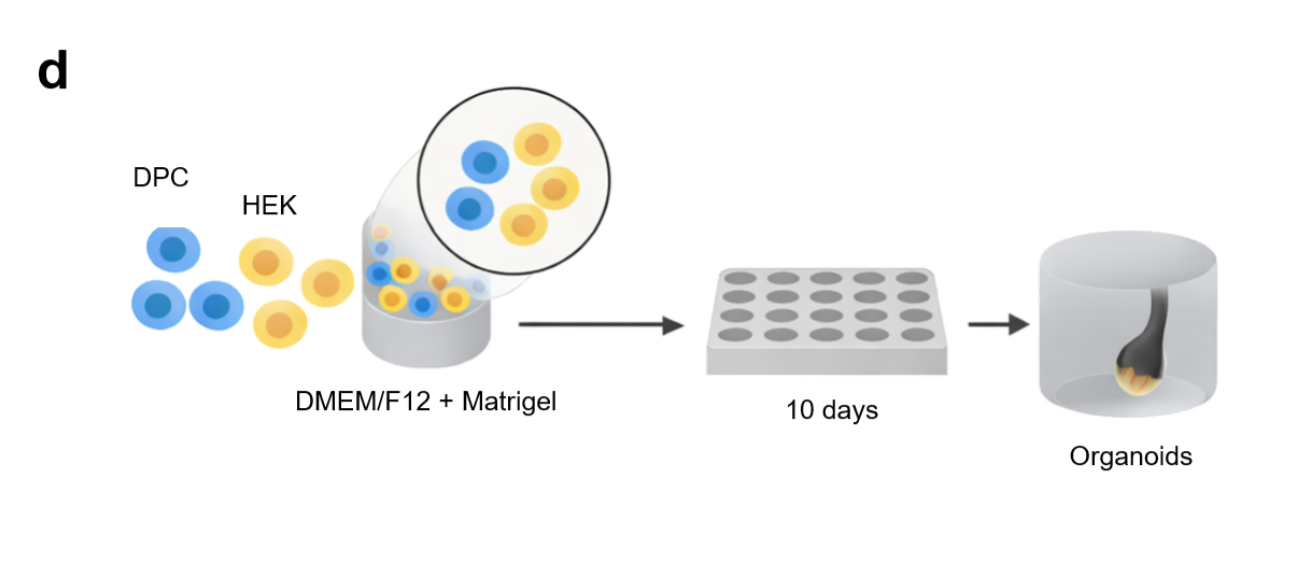
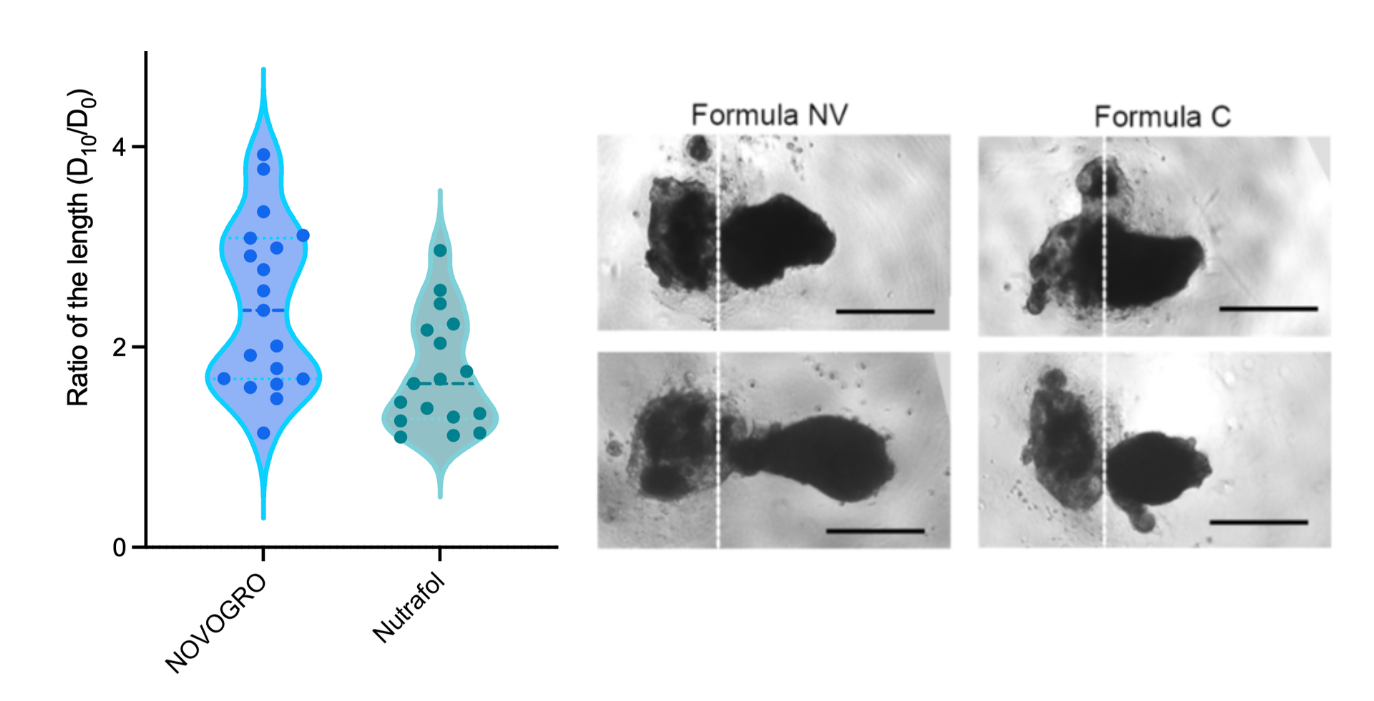
These follicles-in-a-dish may then be tested with various candidate treatments to evaluate their effects on follicle growth, signaling pathways or overall health. Clear, visual and quantitative data on follicle behavior at a fundamental, physiological level outperform the indirect and often inconclusive results of traditional 2D assays and generalized clinical studies. Buried deep in the preprint, the researchers actually tested Nutrafol's Ashwagandha formula and NOVOGRO™ in this 3D hair follicle system, and found that Nutrafol led to no meaningful growth, whereas NOVOGRO™ drove 30% greater growth than Nutrafol.
Our dermatologists approve of how open they were about their testing, and we, as a publication, are happy to see people finally innovating in this space!
Nutrafol vs NOVOGRO™: The breakdown
Currently, NOVOGRO™'s greatest limitation is the lack of extensive randomized clinical trials. That said, the interim results are quite strong and the overall biological strategy appears notably more modern, intentional, and multi-dimensional than other approaches we have reviewed in the past. We are also impressed by how open they are about their testing. NOVOGRO™'s performance is not just theoretical - it is measurable at a physiologically-relevant level - this is one to watch.
| Category | Nutrafol | NOVOGRO™ |
|---|---|---|
| Original development path | Repurposed actives; a “patented complex” (Synergen Complex®) of simple mix of plant-based products | Developed specifically to support the hair follicle intrinsically and extrinsically |
| Primary target | Addresses 'six root causes': hormones, stress, nutrition, metabolism, aging, and lifestyle. |
|
| Chemical class | Plant-based products | Small molecule ingredients |
| Mechanistic approach | Uses common botanicals (e.g., saw palmetto, ashwagandha) aimed at root causes; 'Synergen Complex®'. | Boosts hair follicles intrinsically, and supports the environment extrinsically. In a 3D hair follicle model, NOVOGRO™ drove 30% greater follicle growth than Nutrafol. |
| Formulability | Oral dietary supplement (daily capsule) or serum. | High solubility in water, amenable to topical formulation |
| Side effect profile | Potential for liver toxicity; reported cases of drug-induced liver injury linked to ingredients like turmeric/curcumin, ashwagandha, and horsetail. | Designed for safety - robust preclinical safety data in human skin and non-skin cells. Long-term safety and real-world follow-up needed. |
| Clinical data | Multiple randomized placebo-controlled trials (RCTs) conducted; however, these are small, biased, and poorly designed. | Interim 90-day data from a registered, 190-woman, double-blind RCT vs. minoxidil; 6-month results pending. |
| MoS Assessment | Well-marketed with little innovation. Marketing consistently exceeds evidence. | Still early-stage, but the overall multi-path strategy is meaningfully more sophisticated than Nutrafol. The interim clinical data is very promising. |
The verdict
Nutrafol is a well-marketed supplement with unfortunately very little science and innovation. The company does deserve credit for funding RCTs in a category where most competitors run none. But their real strength lies in their marketing, which runs well ahead of its evidence. They do not deserve the marketing language that implies pharmaceutical-level proof of efficacy.
For patients with androgenetic alopecia, the evidence base for topical minoxidil and oral finasteride (in men) or oral spironolactone (in women), despite their shortcomings, is vastly stronger and are dramatically cheaper as well. For patients with telogen effluvium, the priority is identifying and addressing the underlying triggers, whether it is an iron deficiency, a dysfunctional thyroid, postpartum hormonal shifts, crash dieting, or psychological stress. A supplement is not a substitute for that workup. Additionally, anyone with liver disease, anyone pregnant or trying to conceive, and anyone on thyroid medication or hormonal therapy should talk to their physician before considering Nutrafol. And anyone signing up should read the auto-renewing subscription terms carefully, an issue regulators have specifically flagged in this product category.
For patients who are intent on trying a supplement, they should know that they are paying a substantial premium for a formulation whose individual ingredients are available cheaper at any health-food store, and that the trial evidence is thinner than the advertising suggests. For patients who are looking for the latest innovations, we suggest taking a look at NOVOGRO™ and RE:YOU. We will keep a close eye on how their clinical trial progresses and update this article accordingly.
The broader lesson here is not really about Nutrafol. It is about the gap between what “clinically proven” means in advertising and what it means in medicine. A small, narrowly enrolled RCT with subjective endpoints can be technically published in a peer-reviewed journal and still fall short of the kind of evidence that justifies the clinical claims being made. Industry-sponsored trials are the norm in this category; what separates meaningful evidence is scale and rigor: large, adequately powered studies with a high number of participants, objective endpoints, and an active comparator. Patients ask us about Nutrafol almost weekly. The truth is, they deserve a clinician who has actually read the trials, not one who simply repeats either the marketing or the dismissive counter-narrative.
Verdict: Claim Overstated
Evidence rating: Nutrafol: 1/5 | NOVOGRO: pending full clinical data, 5/5 preclinical and interim data
References & Further Reading
- Truth in Advertising. (2023, April 4). Complaint to the FTC and FDA re: Nutrafol. See also: Hair-Raising Claims by Unilever's Nutrafol Reported to Regulators. TINA.org.
- Ablon, G., & Kogan, S. (2018). A six-month, randomized, double-blind, placebo-controlled study evaluating the safety and efficacy of a nutraceutical supplement for promoting hair growth in women with self-perceived thinning hair. Journal of Drugs in Dermatology, 17(5), 558–565. (NCT03206567)
- Dugal, J., Malhi, A., Singh, Y., et al. (2024). S4240 Nutrafol's hair gains and liver strains. American Journal of Gastroenterology, 119(10S), S2733–S2734.
- In re Nutraceutical Wellness, Inc. Consumer Fraud Litigation, No. 1:23-cv-05652 (S.D.N.Y.).
- Jones v. Sephora USA, Inc., No. 23CV041205 (Cal. Super. Ct., Alameda Cnty.). Coverage: ClaimDepot; Law.com (2023, August 25).
- Unilever. (2022, May 30). Unilever to acquire majority stake in Nutrafol.
- Qu, Z. et al. (2026). AI-enabled discovery of small molecules targeting complementary pathways for hair follicle rejuvenation. bioRxiv.
- RE:YOU. (2026). One of the most rigorous clinical trials in hair thinning (interim 90-day results). RE:YOU.
- ClinicalTrials.gov. (2026). Effects of a topical serum solution on hair characteristics (NCT07785869). U.S. National Library of Medicine.